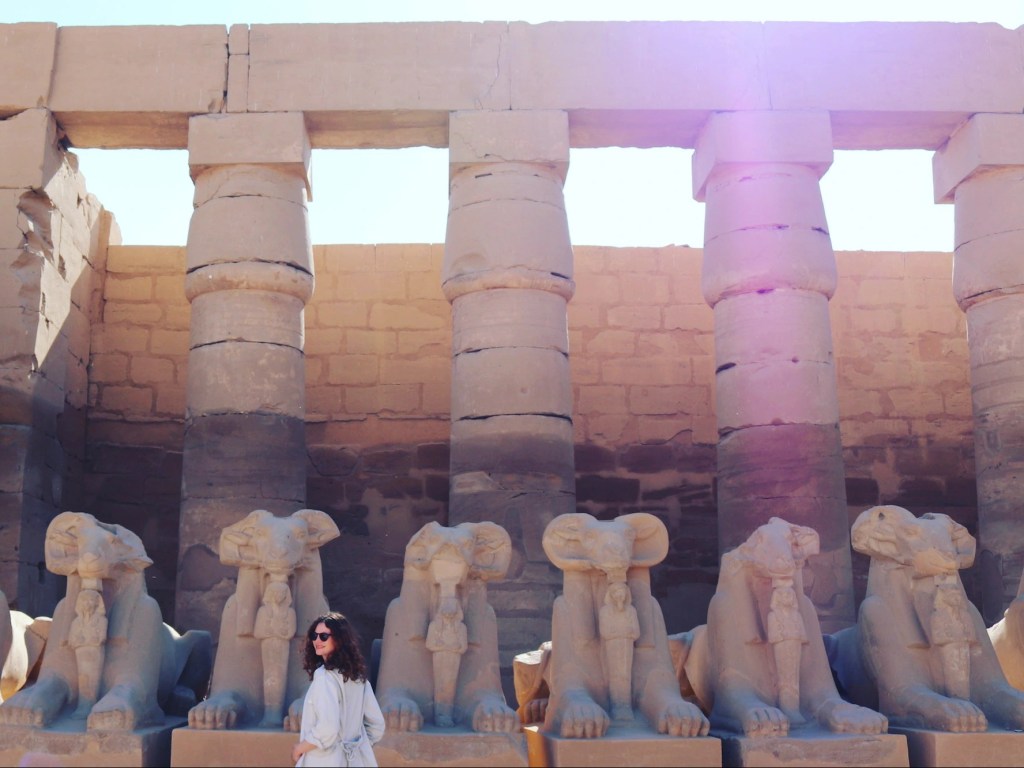
Luxor, or rather the ruins of the ancient Egyptian city of Thebes located here, will see all your childhood egyptologist dreams come true. Casually lazing by a pretty stretch of the Nile river, this is one big open air museum filled with impressive archeological sights.
Modern-day Luxor is built around two imposing temple complexes: Luxor and Karnak. Across the Nile, on the west bank, you can find the justly famous Valley of the Kings and many other ancient tombs and mortuary temples. It can seem like a lot at first but this Luxor itinerary will help you make the most of your visit!
General Luxor travel tips
When to visit Luxor? Anytime form October to April.
Where to stay in Luxor? Stay at the Sofitel Winter Palace for a slightly decadent but very charming historical setting or at the Hilton Luxor Resort for comfort and relaxation by the Nile.
Do you need a guide in Luxor? Although a professional guide could give you lots of extra information, it is not really necessary if you’ve done your homework! However, having a car with driver for exploring the west bank makes all the difference. We negotiated with a taxi driver to pick us up after our balloon ride and stay with us a whole day, and as I knew exactly what I wanted to see that was perfect. You can also ask your hotel (although that will surely cost more).


How many days to spend in Luxor? You need a day and a half to see all the major sights, although you can easily stay occupied for three. It’s most convenient to do everything on the west bank in one go, but you can split Luxor temple and Karnak over two days. If you’re squeezed for time and arrive later in the day you could visit Luxor the first evening and Karnak in the late afternoon the following day, after the west bank sights. If you have the luxury of staying two nights, I’d recommend seeing Karnak on the morning of the third day, as it is less crowded the earlier you go.


Day 1: Luxor east bank
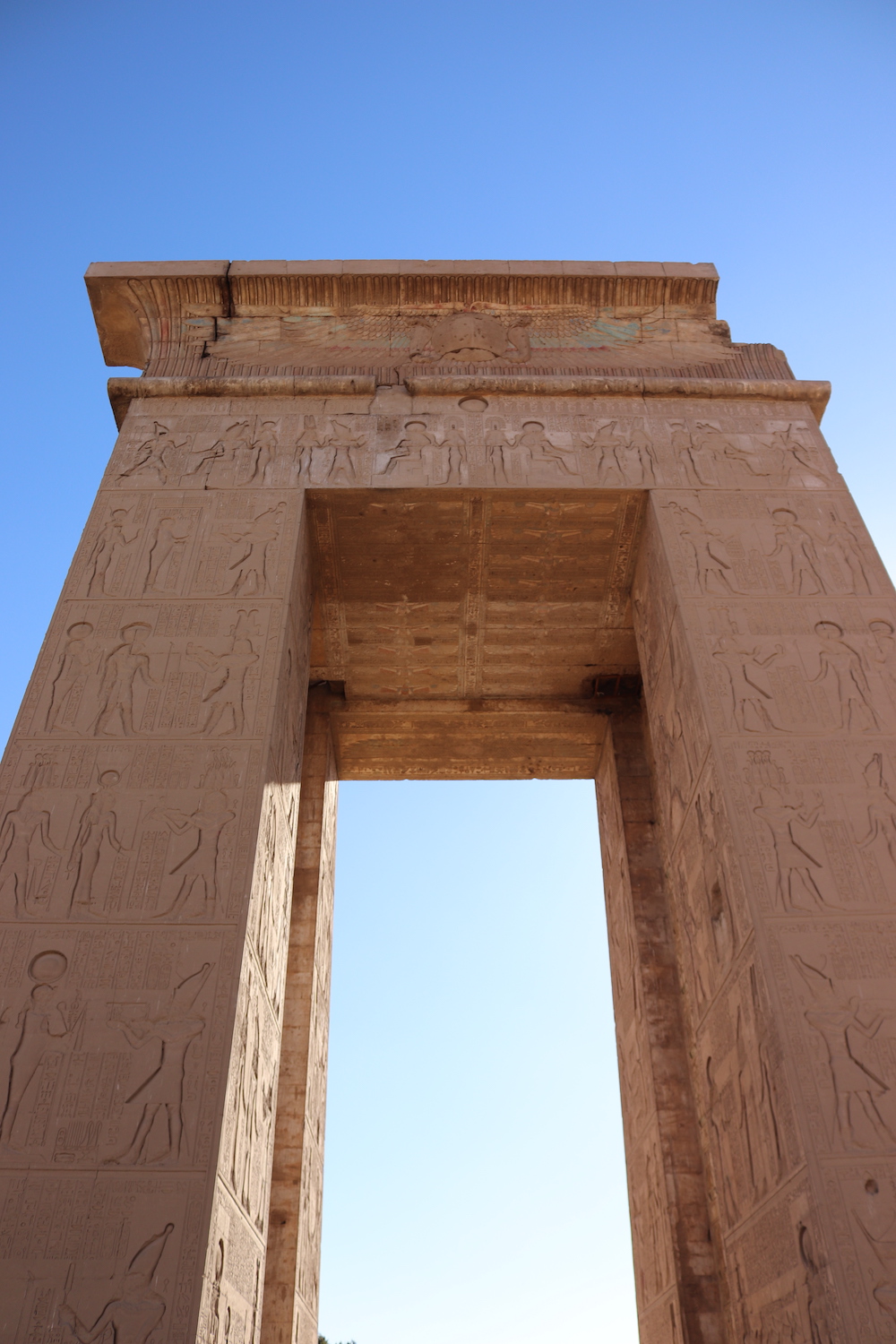
While the western bank of the Nile (where the sun sets) was dedicated to Thebes’ necropolis, the eastern bank was the location of the actual city, including all important temples. Start the day by exploring the sprawling Karnak temple complex. This huge site was constructed over hundreds of years by approximately 30 pharaohs and comprises temples, pylons, monumental statues and more. The most spectacular part is the main avenue with the pillars of the Great Hypostyle Hall, but this is also where the crowds will be. Wander off a bit, and you might find yourself alone. Many parts of the complex are not open to the public, but the site is more than big enough to keep you busy for a good few hours!



Follow with a leisurely Egyptian lunch on Sofra’s cool roof terrace. Sofra is close to Luxor temple, but you might want to wait to go there until around sunset to see the ruins lit up at night. There is also a sound & light show in the evenings at Karnak, but I’ve read mixed reviews and decided against it (I would love to hear your opinion if you’ve been!)
There is not really anything else to see in the modern city, except maybe the Luxor Museum (try Cairo if you’re looking for a mix of ancient, old, and modern). For dinner you might as well be lazy and eat at your hotel, both 1886 at the Winter Palace and Silk Road at the Hilton are good restaurants.

Day 2: Luxor west bank
The next morning, get up ridiculously early for a balloon ride with Hod Hod Soliman Balloons. Believe me, it’s worth it! Do negotiate, and ask to go with a good balloon pilot who will not take you up too high to start with so you can get a good look at the archeological sites below. Make sure to pay for a “private compartment” if you don’t want to be squished in with other people and actually be able to see well.
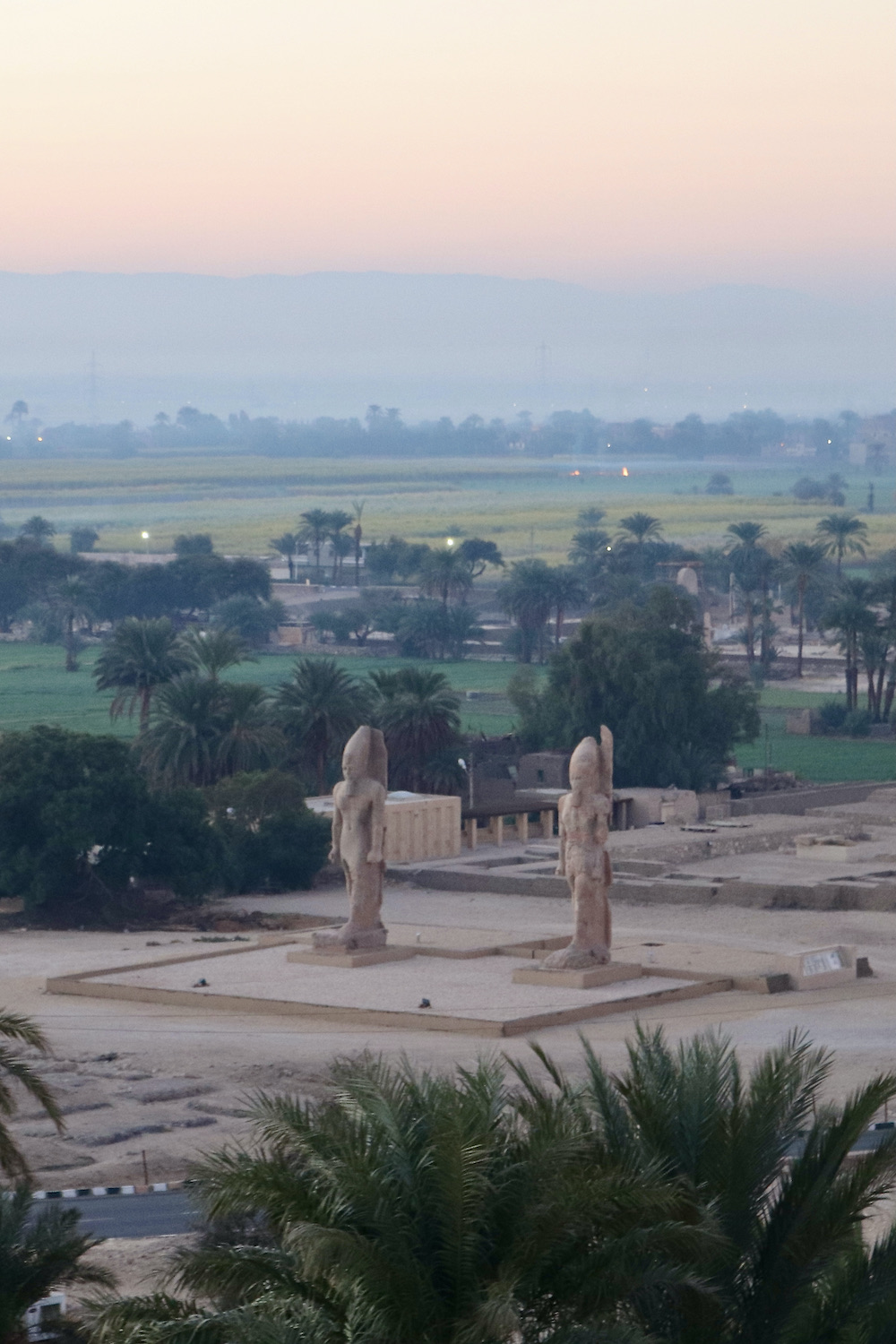
After landing, have a driver waiting for you at the Colossi of Memnon. Close to there is the ticket office for most “minor” sights on the west bank. It’s a bit hidden, but google maps has the location right. I recommend getting tickets for Medinet Habu and Seti I temple (not to be confused with his tomb), but there are many more sights if you want to explore further and have the time.


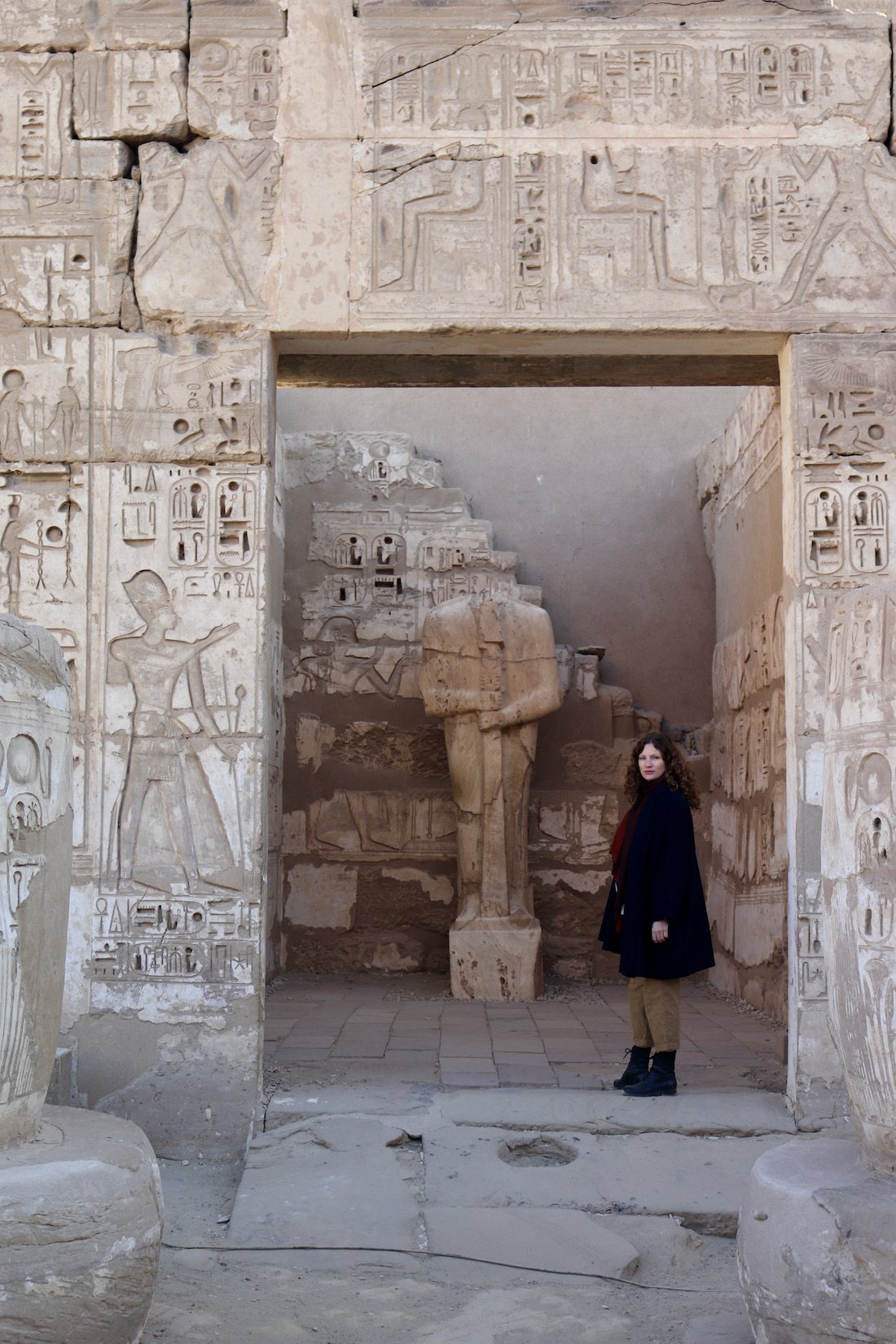
Head immediately to nearby Medinet Habu to have it completely to yourself. This complex containing the mortuary temple of Ramses III is very well preserved and still has lots of color. Cafe Maratonga next door is a decent option for breakfast or a coffee.


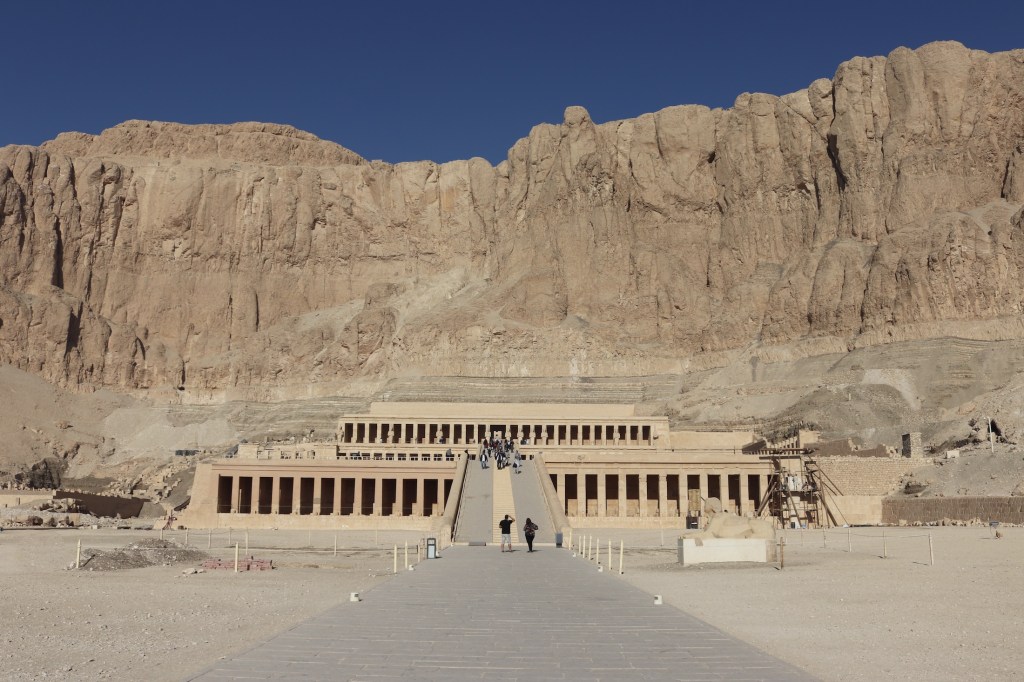
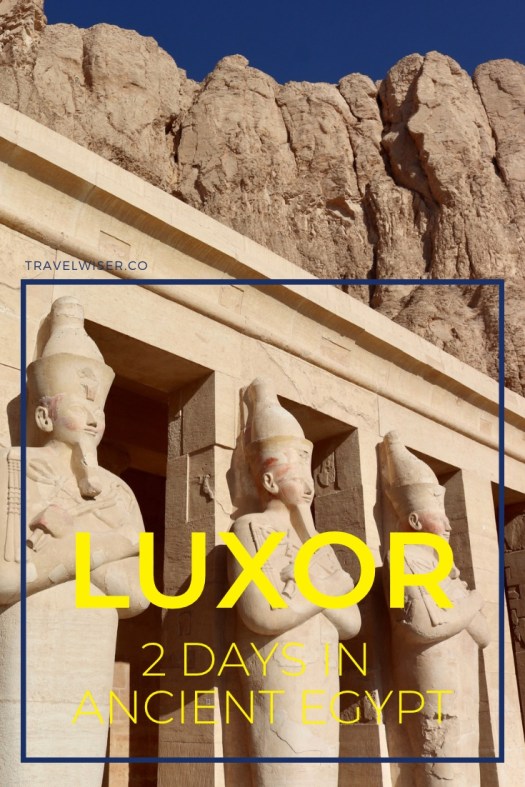
Everything on the west bank gets busier at it gets later. Most organised tours start with the Valley of the Kings, which is why I instead recommend going to the mortuary temple of Hatshepsut next so at least it’s not overrun. This fantastic structure rather looks like something from a Star Wars movie and will definitely leave you in awe.
Next, head to the Valley of the Kings, a necropolis where dozens of underground tombs of pharaohs and nobles are scattered along a small valley. Excavated from the rocks, on the outside there is nothing to see but underground an incredible amount of detail has been preserved. You can visit three tombs with the entrance ticket, although they don’t seem to check much and you can probably get into one or two more. Not all tombs are open all the time, so it’s a bit of pick and mix. Some I liked or had planned to see but couldn’t are the tombs of Ramses IV (don’t miss this one!), Ramses III, Ramses IX, Tuthmosis III (closed during our visit) and the joint tomb of Tausert & Setnakht.


The three most impressive and popular tombs require extra tickets. The tomb of Seti I is by far the most expensive at a 1000 Egyptian pounds, but according to me absolutely worth it. The detail and color is mind-blowing. Plus there won’t be many people inside. Ramses V & VI for only 100 pounds is a great deal, it’s a very nice tomb and needing the extra ticket means it’s a little more quiet. The final tomb requiring an extra ticket is Tutankhamen’s (300 pounds). The attraction here is not so much the tomb itself, but the famous name and the fact that his mummy is still inside. However, if you’ve already seen the royal mummies at the Museum of Egyptian Civilisation and Tut’s mask and other artefacts from the burial chamber at the Egyptian Museum in Cairo, I’d skip this.
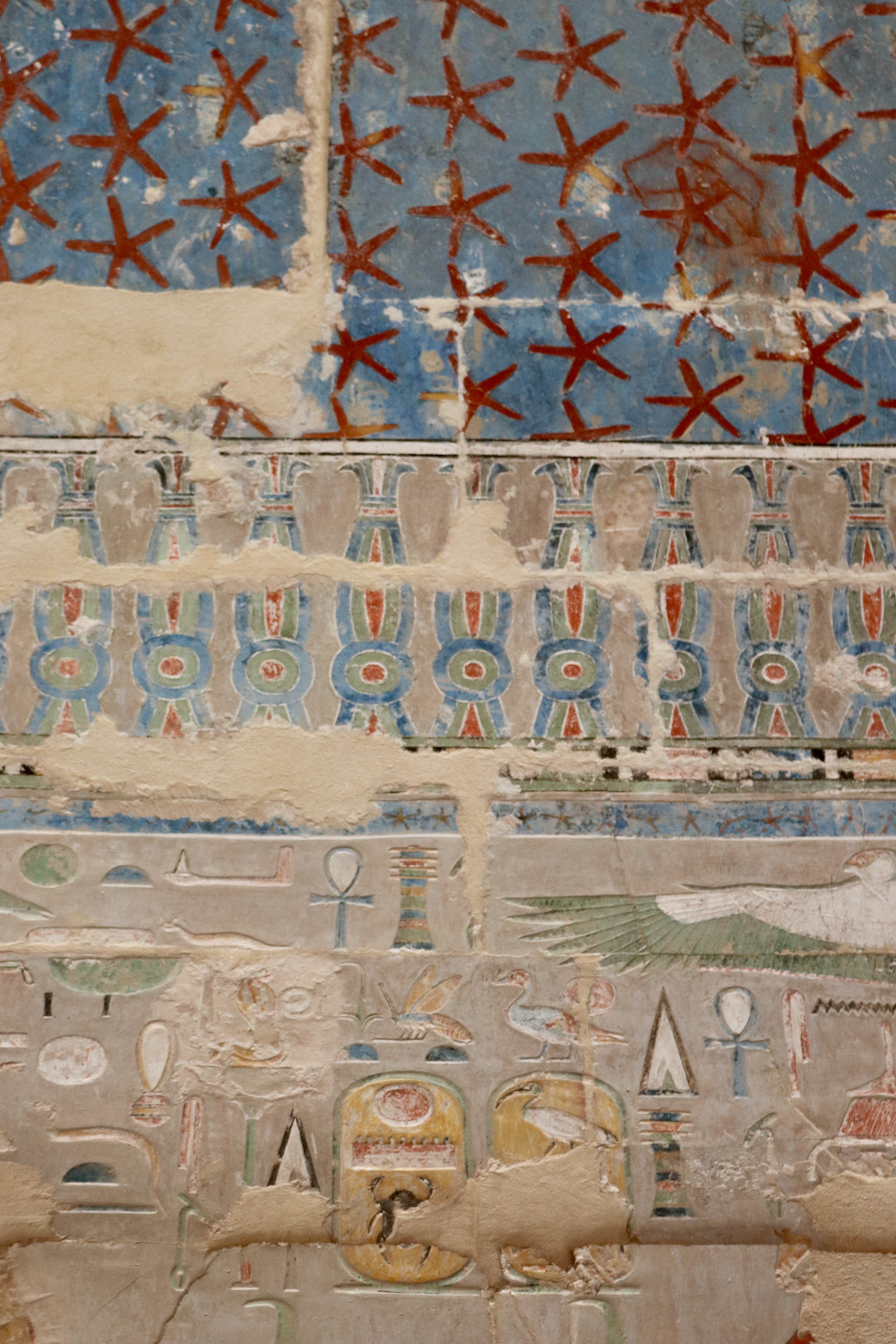

After the tourist throngs of the Valley of the Kings, head to the temple of Seti I for some peace. Although not the most spectacular, the temple has a lovely setting and you’re likely to have it all to yourself. For lunch it’s better to head back to the east bank. By car it’s quite a drive, at least until they will build the planned bridge over the Nile, but it’s through rather pretty, lush countryside.

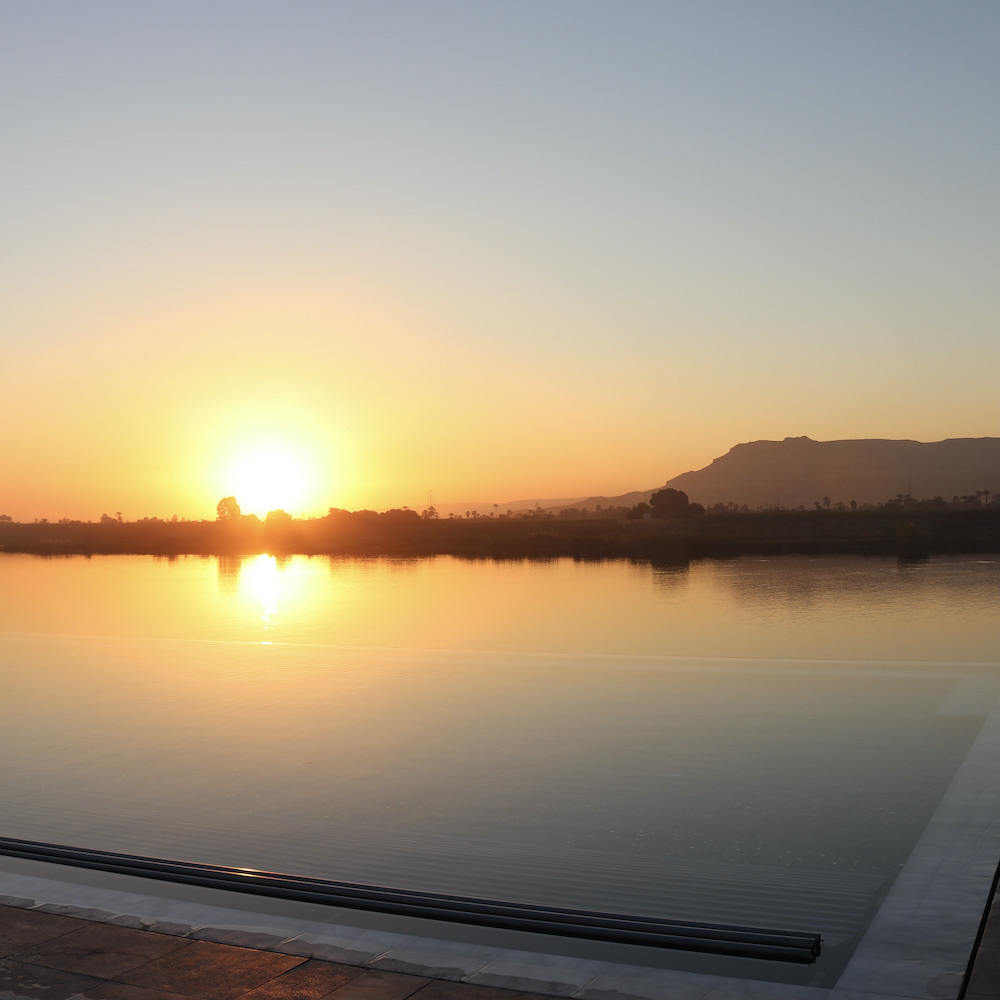
The best way to unwind after this long morning of sightseeing is by booking a massage at the Hilton spa. This will give you access to their lovely Nile view infinity pool, even if you’re not staying there. Another great way to round off your stay in Luxor, if there is enough wind and the weather is warm, is going on a little cruise along the Nile on a felucca.

We combined our trip to Luxor with a few days in bustling Cairo, which makes for a great short escape from Europe. Luxor is also a common start or end-point for a Nile cruise to or from Aswan, something that is still on my bucket list. Have you been or are you planning to go? I would love to hear your thoughts!
<- Pin it for later!
 Travel Wiser
I hope you enjoyed this post! You can share your thoughts below: