
Think of Nepal and you will probably think of snow-capped peaks. This travel guide aims to show you another side of Nepal, a country that besides Mount Everest is also home to ancient cities, bustling temples and lush forests filled with rare wildlife like tigers, one-horned rhinos, gharials and even dolphins. If you’re looking for the highest altitude trek, this is not the itinerary for you, but if you’re dreaming of seeing Nepal’s tigers and temples, read on!
Nepal highlights
- Exploring the UNESCO listed palaces and temples of the ancient royal cities of Kathmandu, Patan and Bhaktapur
- Tiger spotting in Bardiya National Park
- Getting up close and personal with elephants and one-horned rhinos in Chitwan National Park


When to go to Nepal?
October to December is high season in Nepal, when conditions are best for trekking. Skies are blue, visibility is great and temperatures are pleasant. Of course, this is also when it’s busiest and most expensive. The national parks in the lower part of the country remain great to visit until the end of March, when temperatures start rising quickly to scorching hot. June to August is rainy season and best avoided.
Day 1: Kathmandu classics
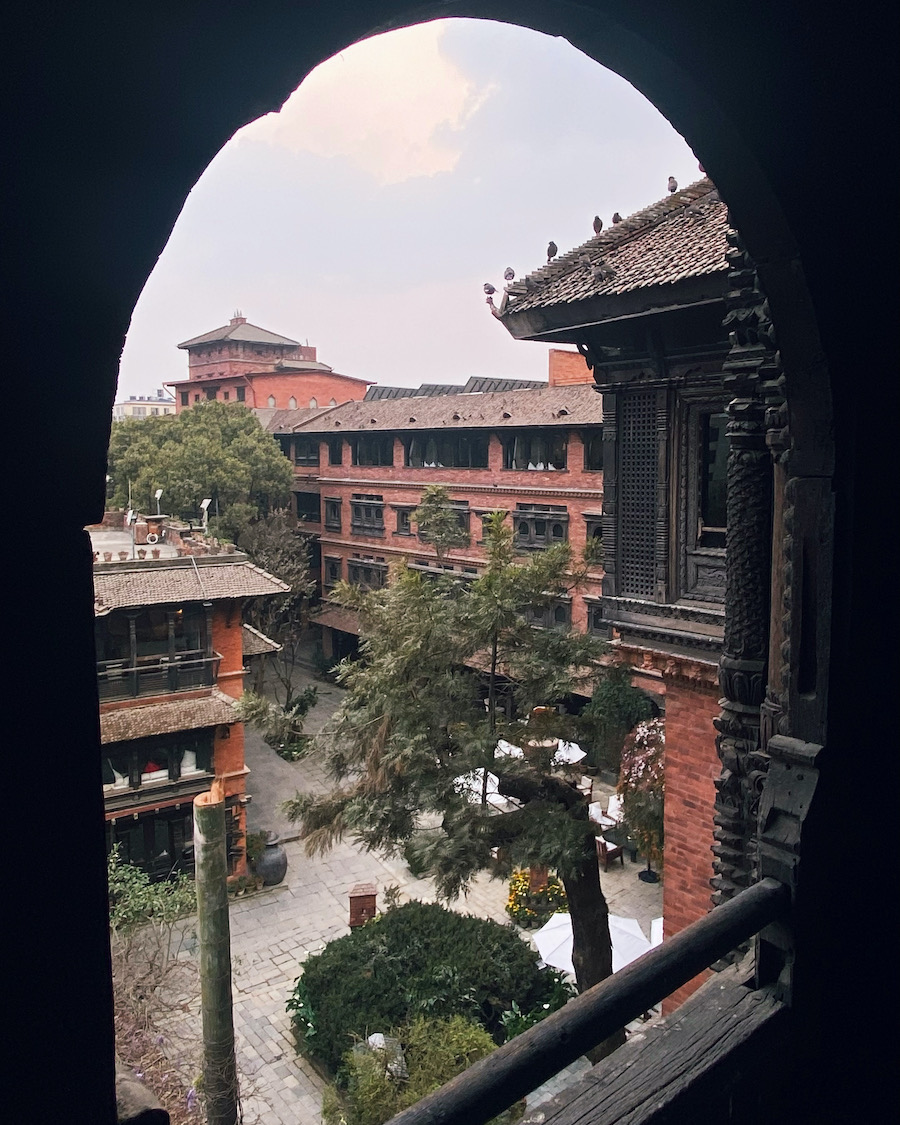
Chaotic but atmospheric Kathmandu has attracted travellers since Nepal opened up to foreigners in the fifties. Historically, backpackers and mountaineers alike would stay at the Kathmandu Resthouse in the Thamel neighbourhood. This area is still where nightlife and souvenir shops are concentrated, but I think the best place to stay in Kathmandu is Dwarika’s Hotel, somewhat outside the city centre. This boutique hotel has beautiful rooms set around a peaceful courtyard, filled with lovingly restored Newari heritage pieces. If you’re on a budget, consider staying in pretty Patan. Although officially two separate cities, Patan and Kathmandu are basically one big sprawl and only a taxi ride apart. The Inn Patan for example seemed lovely.
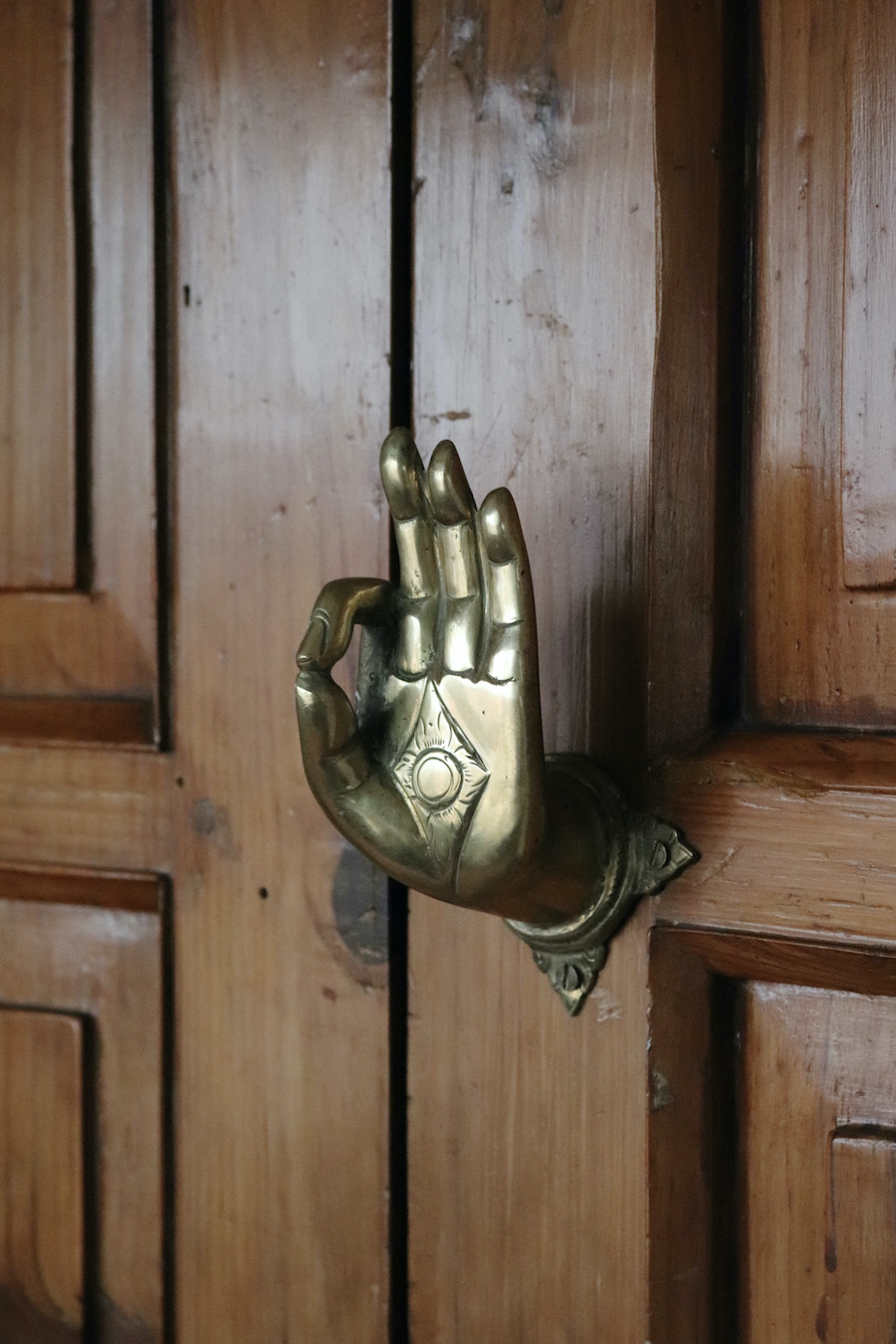
The first day of my itinerary sticks to Kathmandu proper. Start the day early at Boudhanath Stupa (sunrise is supposed to be the best time, if you manage to get up!). One of the largest of its kind in the world, join the crowds and circumambulate the stupa clockwise.
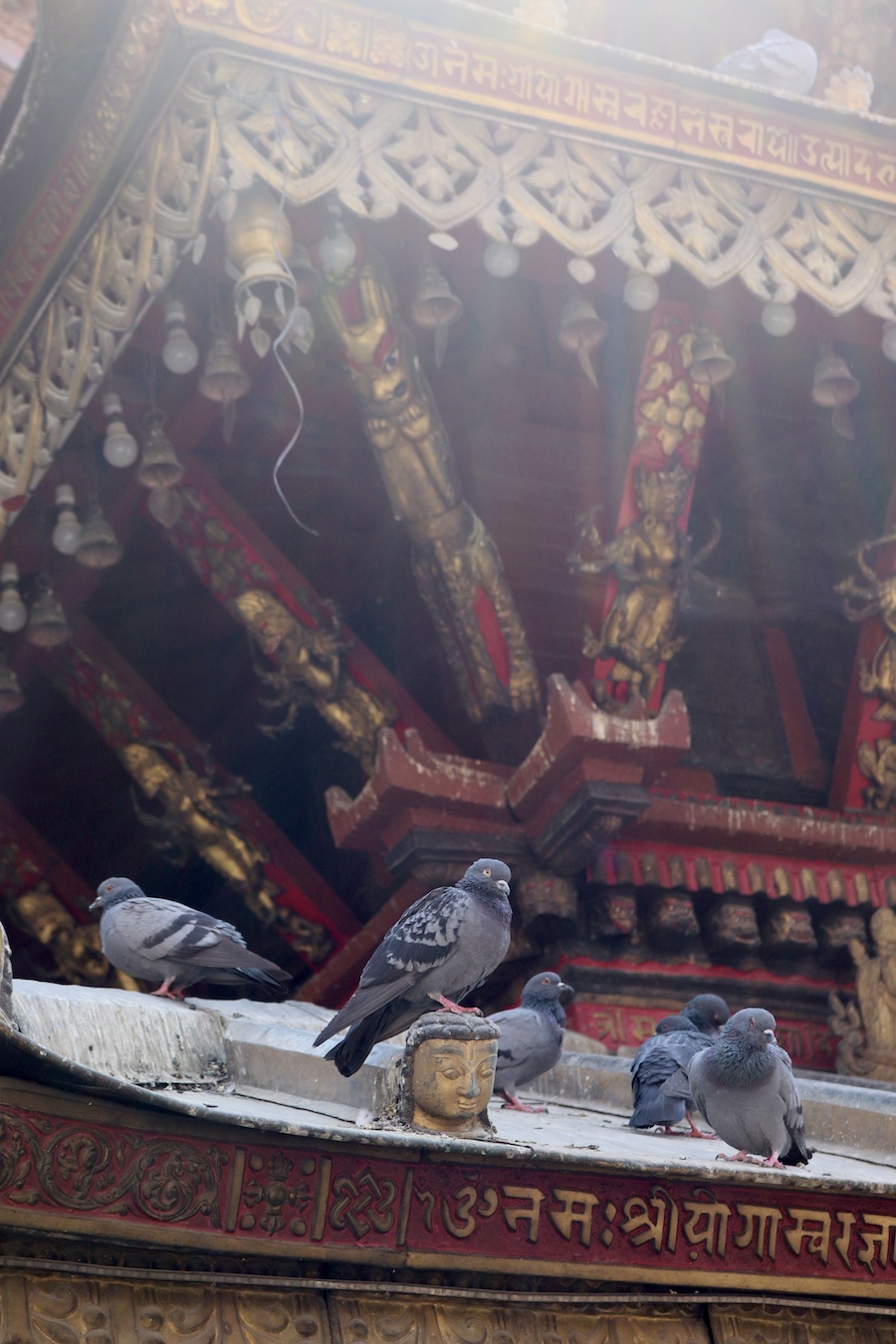
Next, hop in a taxi to Kathmandu’s Durbar Square (Durbar means royal palace, and Kathmandu’s is one of three such squares in the Kathmandu Valley) and spend some time exploring this enchanting and lively cluster of palaces, monasteries, temples and shrines, both Hindu and Buddhist. Foreigners need to pay an entry fee. The square was badly damaged by the 2015 earthquake, but a lot has been expertly restored. Works are still ongoing, but the place has not lost any of its appeal.
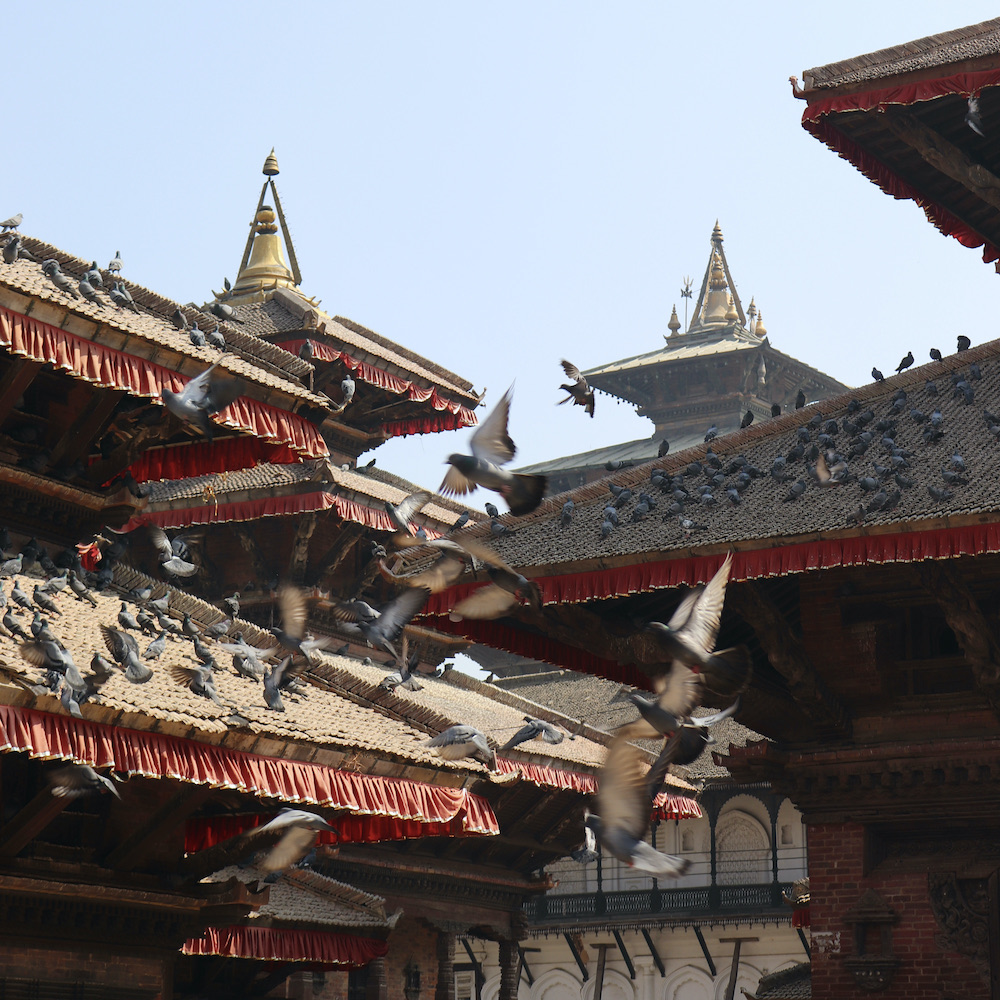
Of the many monuments, the most important is of course the palace with its courtyards and museum, the Hanuman Dhoka, named after the statue of the Hindu god Hanuman near the main entrance. Don’t miss the nearby stone image of Kal Bhairav, an especially fearsome avatar of Lord Shiva, and Jagannath temple, noted for the erotic carvings under its roof.
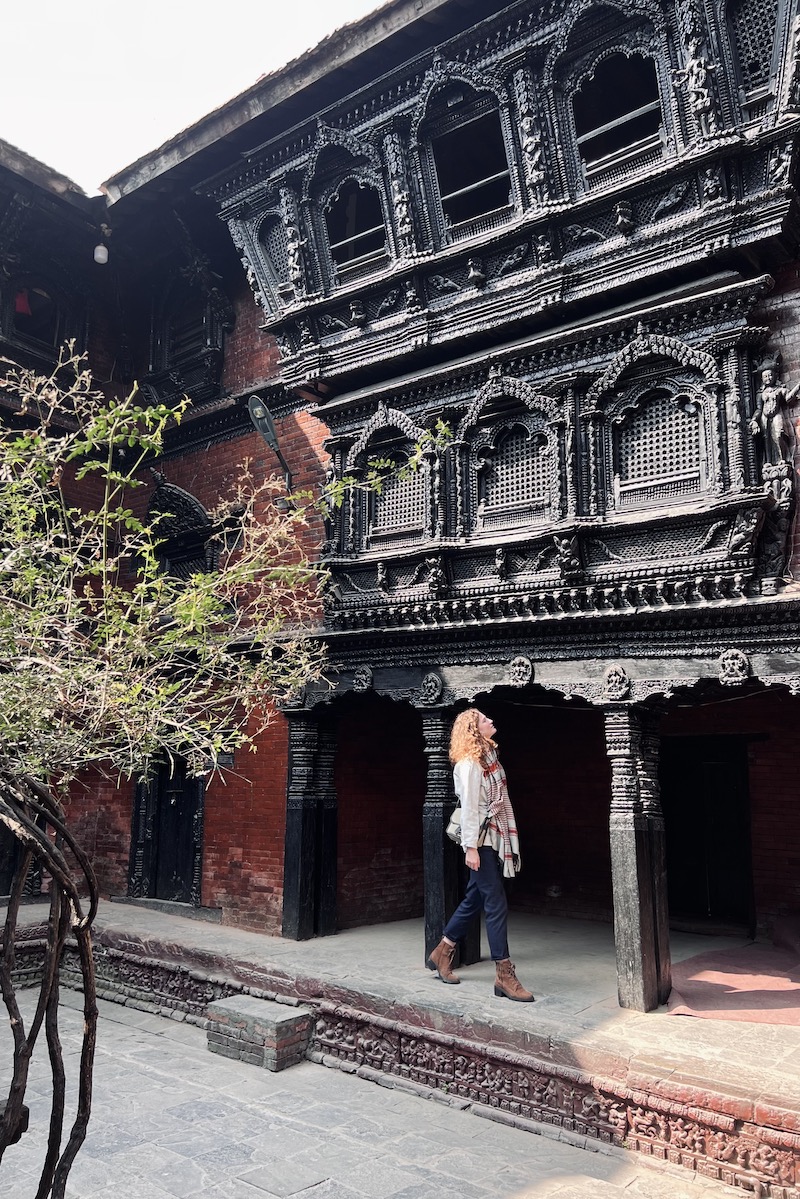
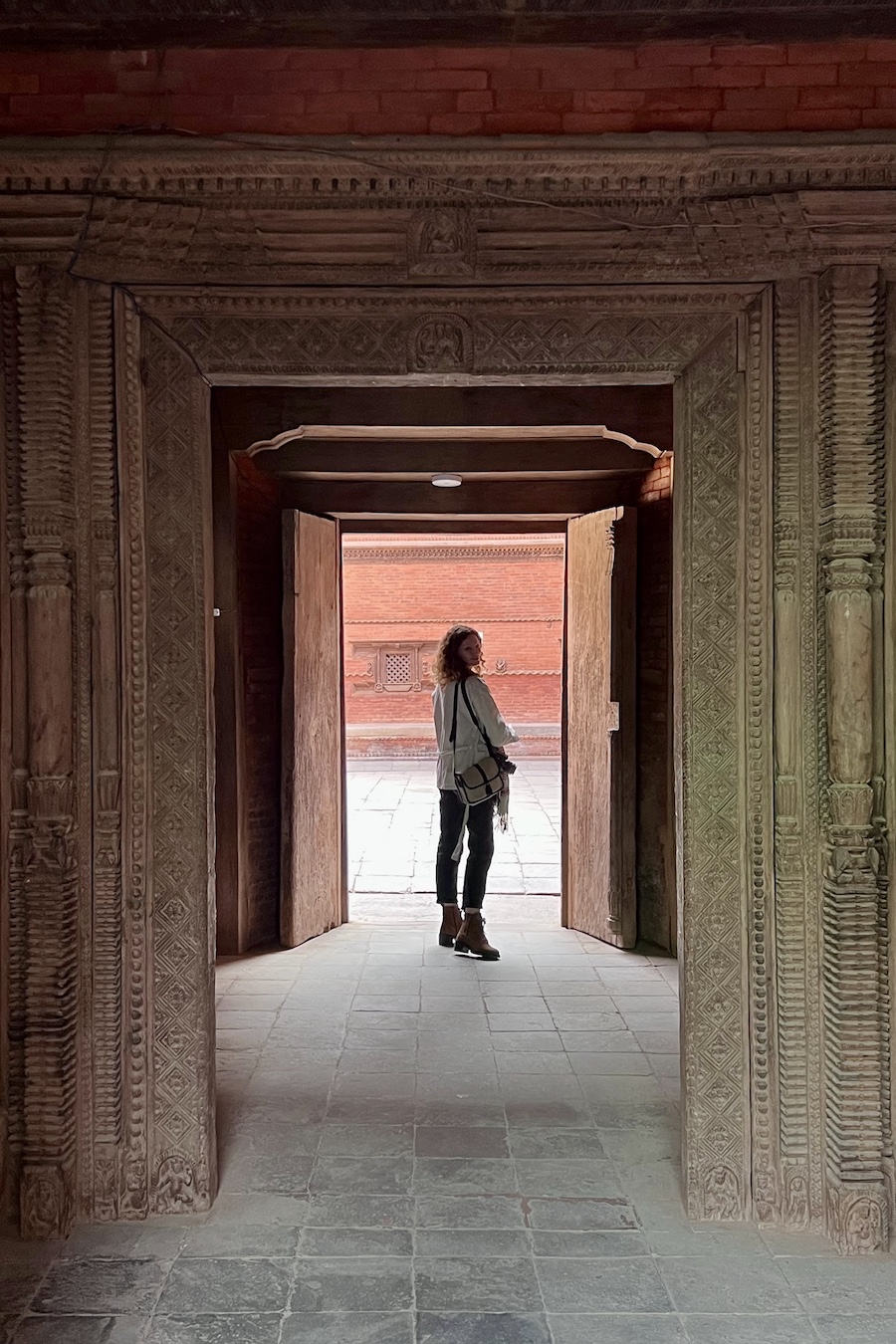

Make sure to stop by the Kumari Ghar (the house of the living goddess) near the south entrance of the square. Morning between 9 and 11 am is supposed to be a good time to get a glimpse of the Kumari, a pre-pubescent girl believed to be the bodily incarnation of the goddess Taleju, but she didn’t show herself when we were there.
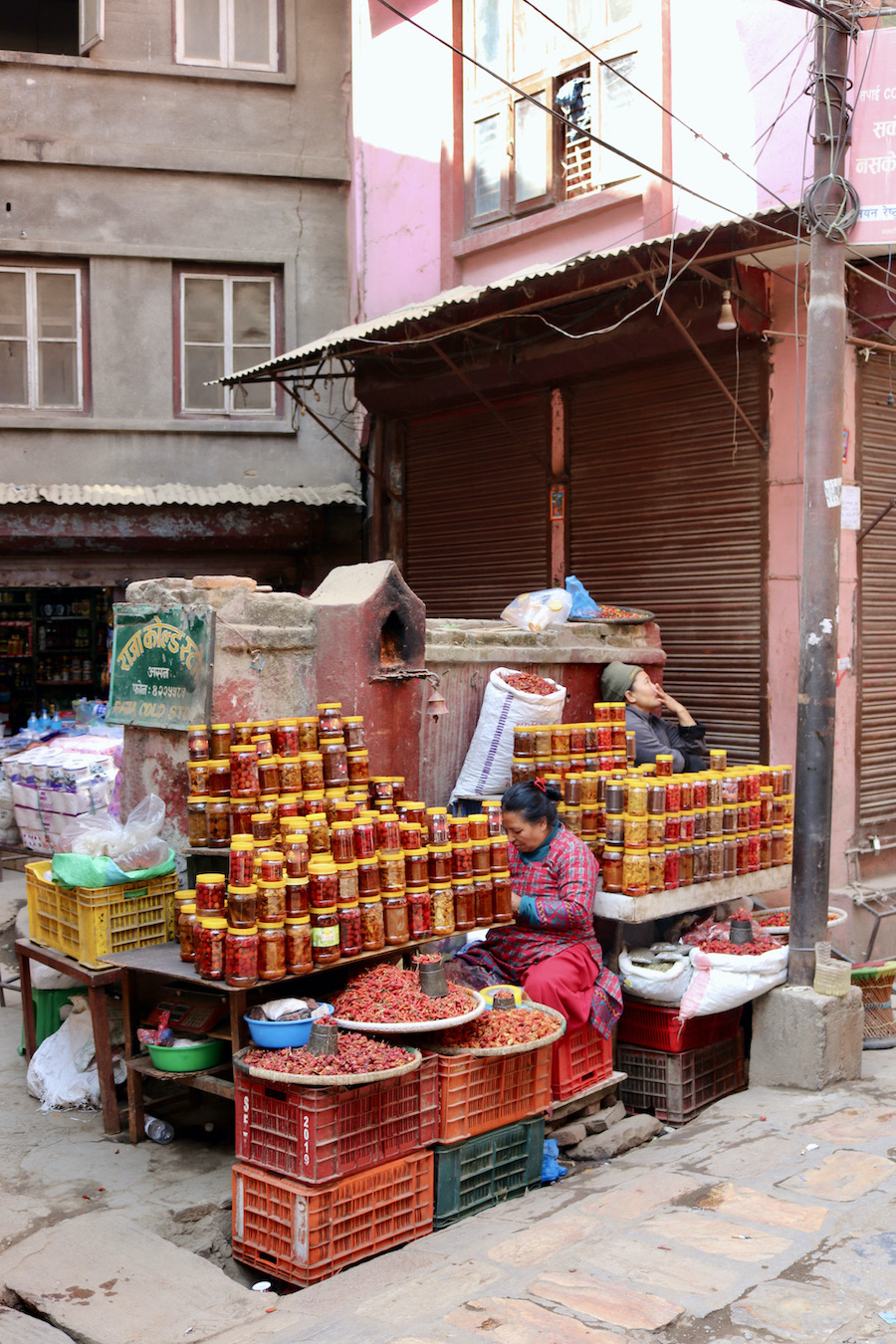
Next, walk via Indra Chowk market to Asan market. Rather than delimited markets these are market streets lined with shops of varying quality. We took a break at the Garden of Dreams, not really worth the entry ticket in my opinion, especially as the Kaiser cafe inside was closed when we visited. It might be more rewarding to stop by Rani Pokhari (the queen’s pond), where renovation works are supposed to finish soon.
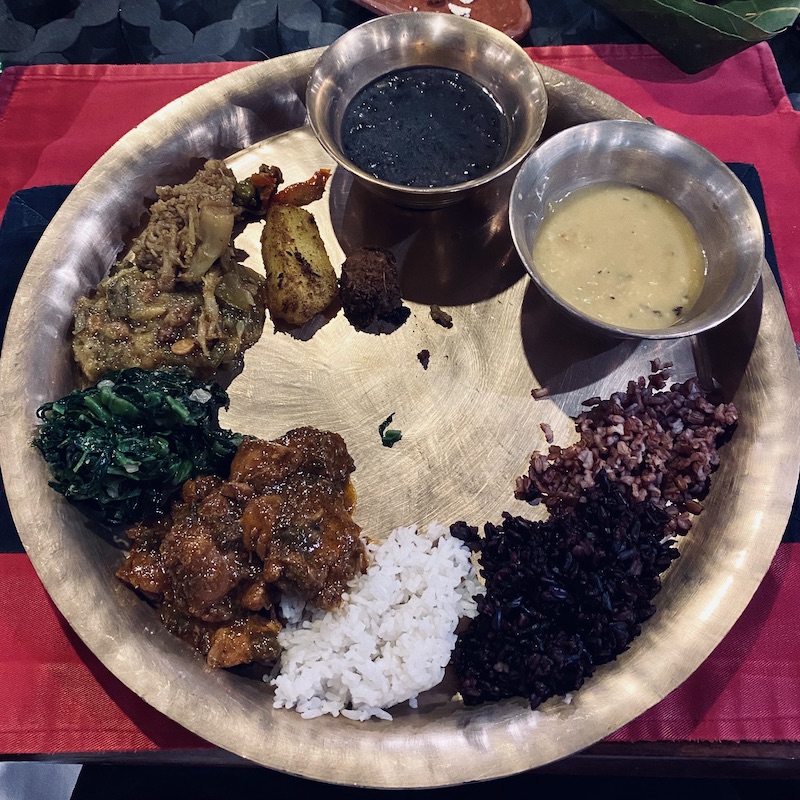
For lunch, have momos (steamed dumplings) at Yangling or Tibetan food at Utse. This is as good a time as any to pass through Thamel and take a peek at the Kathmandu Guesthouse, but I was not a particular fan of this rather touristy neighborhood.
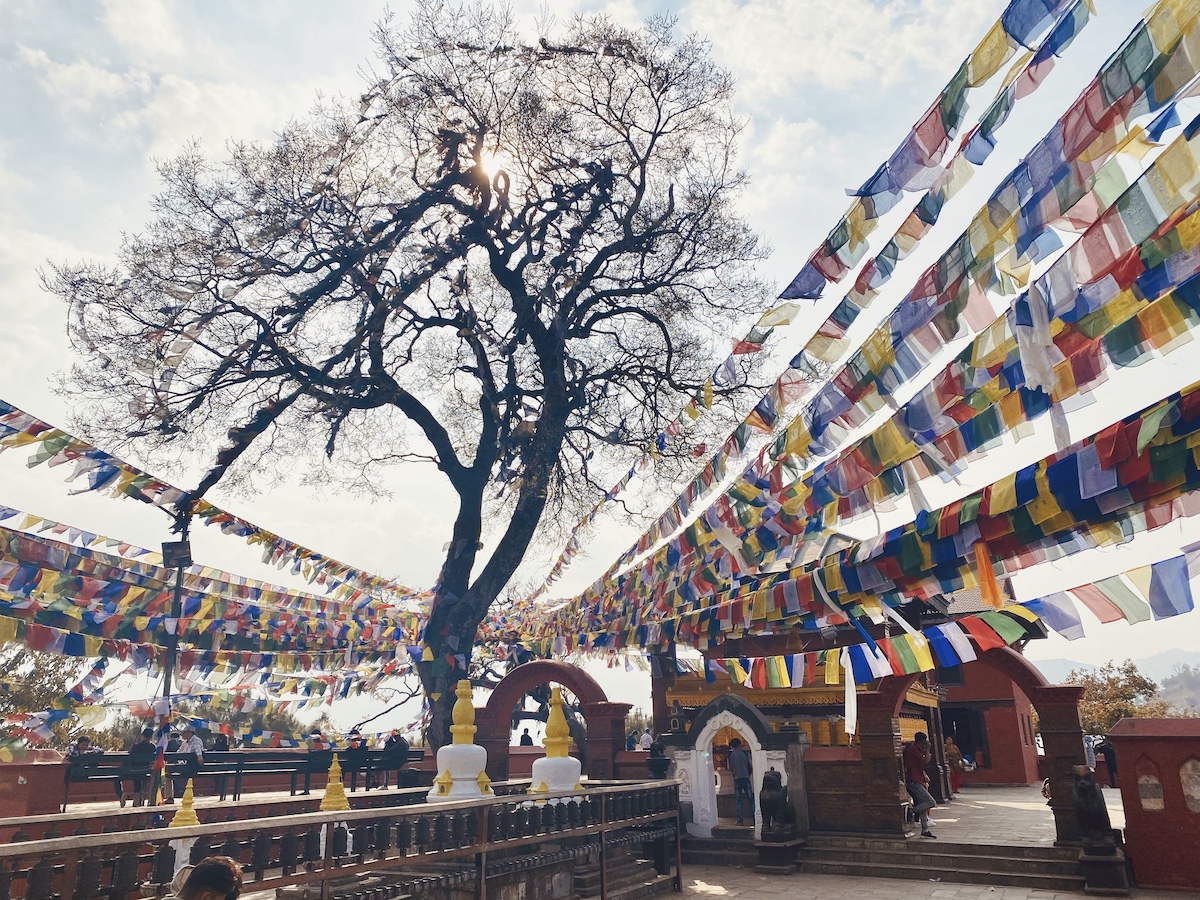
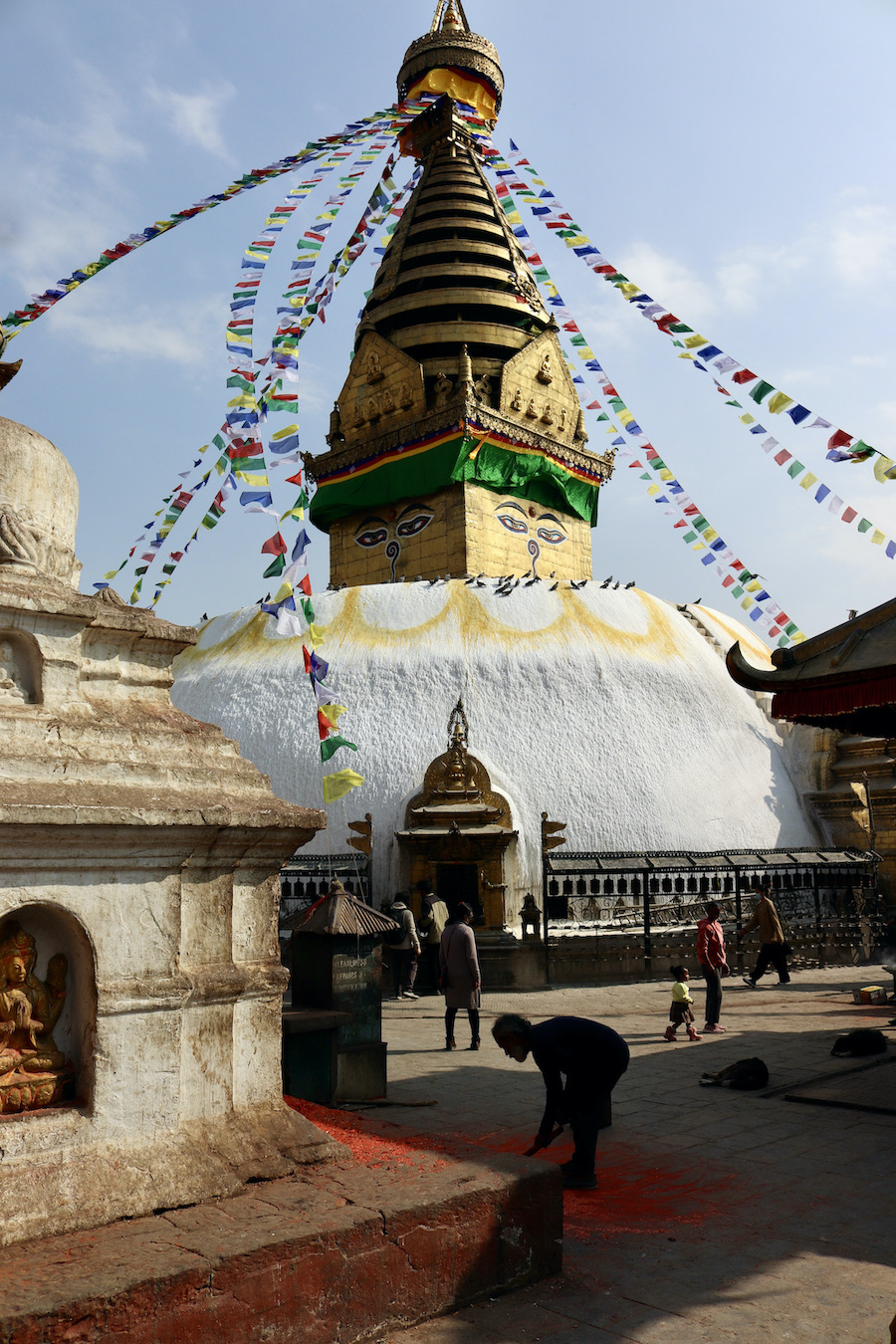
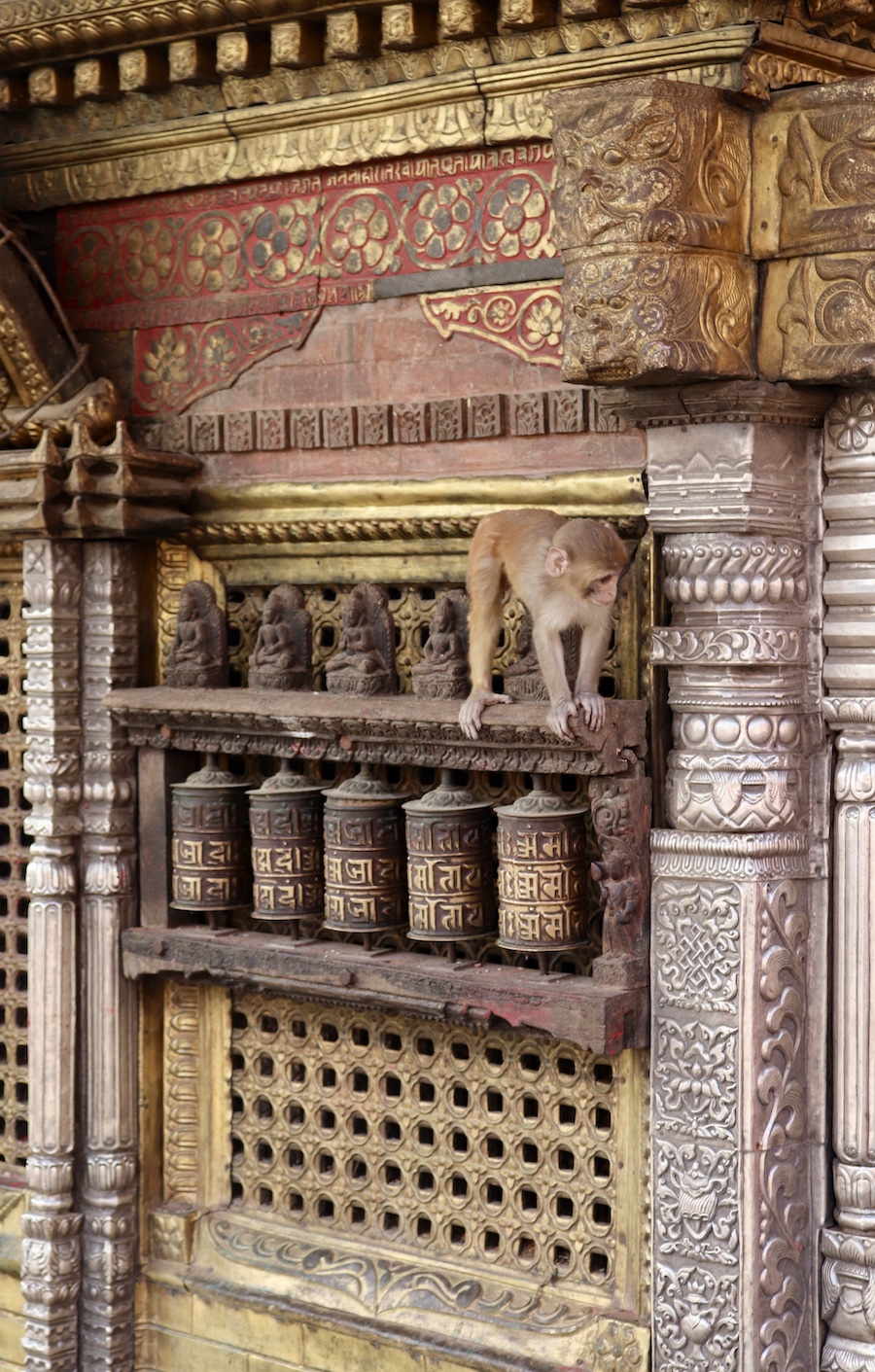
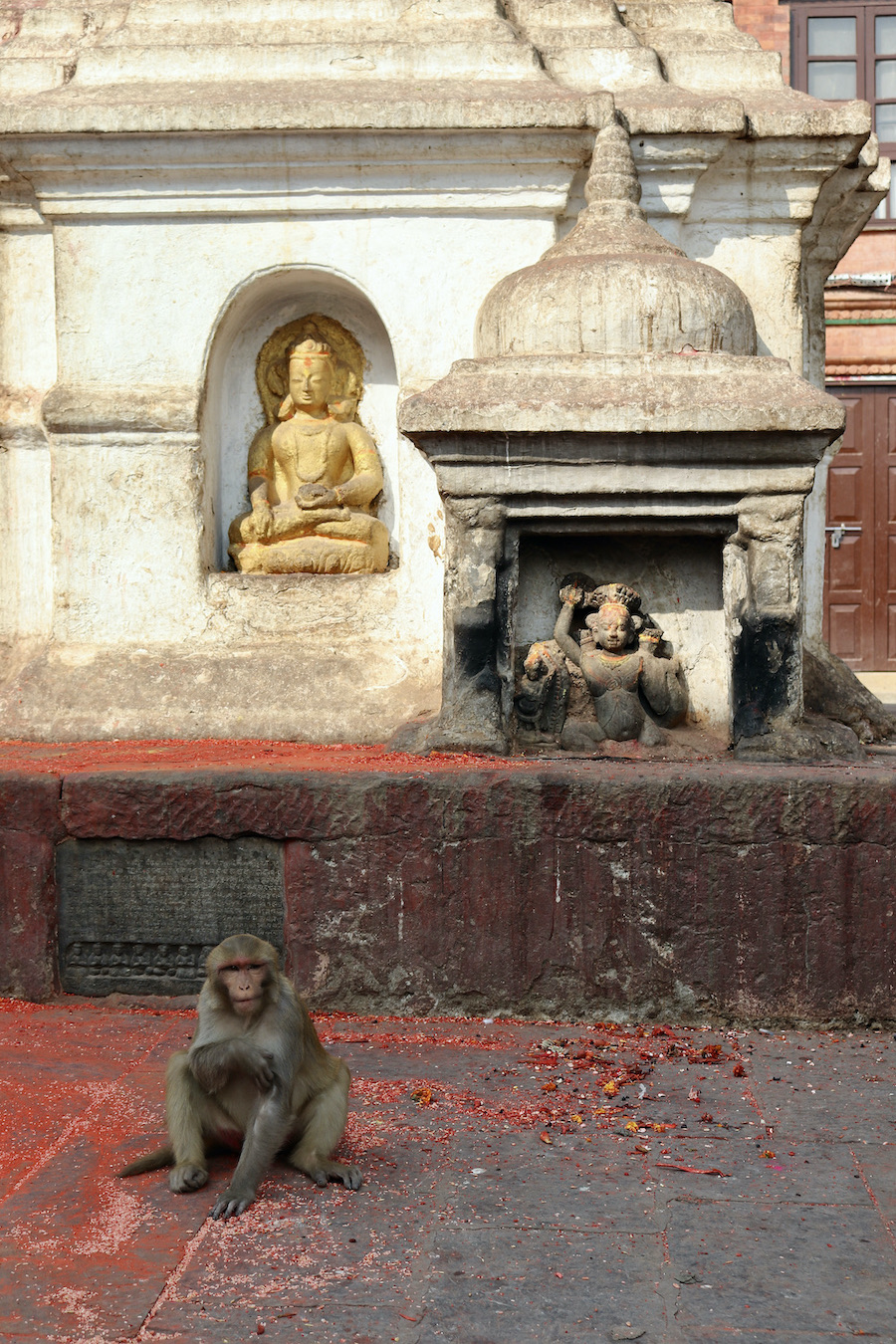
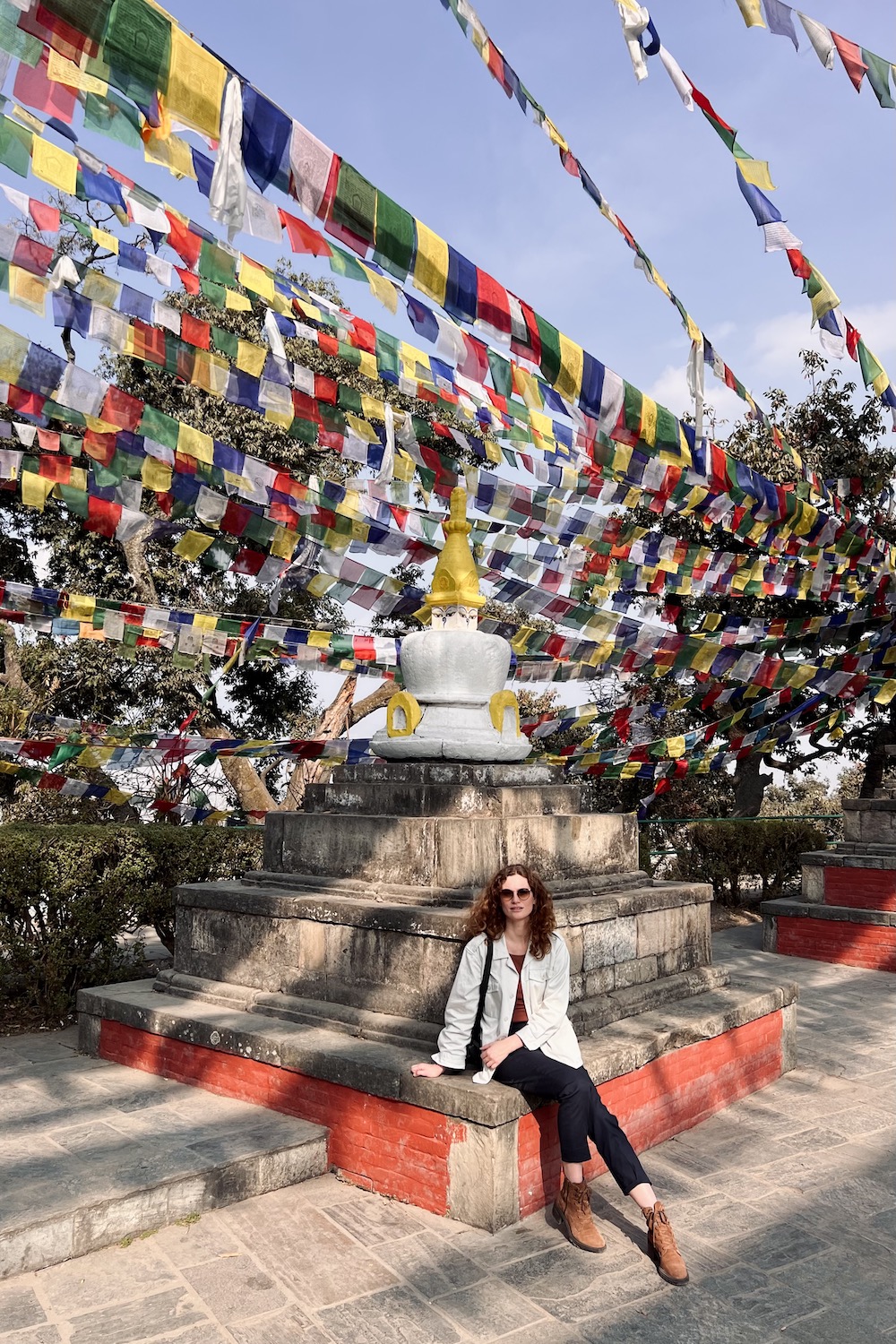
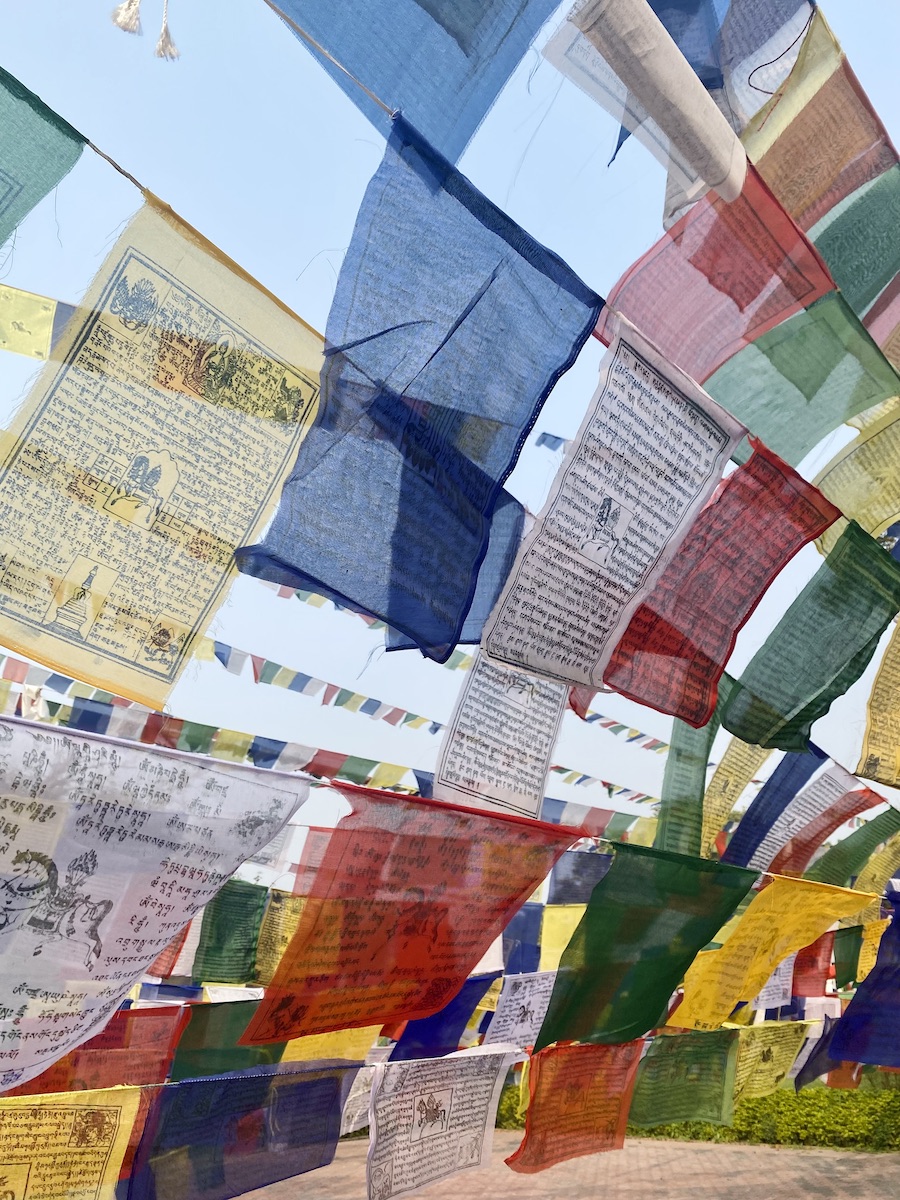
Spend the afternoon at the atmospheric Swayambhunath Stupa, sacred to both Buddhists and Hindus. Also known as the monkey temple, for obvious reasons, this beautiful hilltop temple complex is draped in prayer flags and has sweeping views. Either walk up the stairs or give yourself a break in a long day of sightseeing and have a taxi drop you off at the ticket office near the top.
The final temple of the day is Pashupatinath, the oldest Hindu temple in Kathmandu and an important pilgrimage site. The temple itself is off-limit to non-Hindus (which makes the Rs1000 ticket seem rather excessive) but you can see it from across the Bagmati river and wander around the grounds. Open air cremations take place on the ghats by the river.

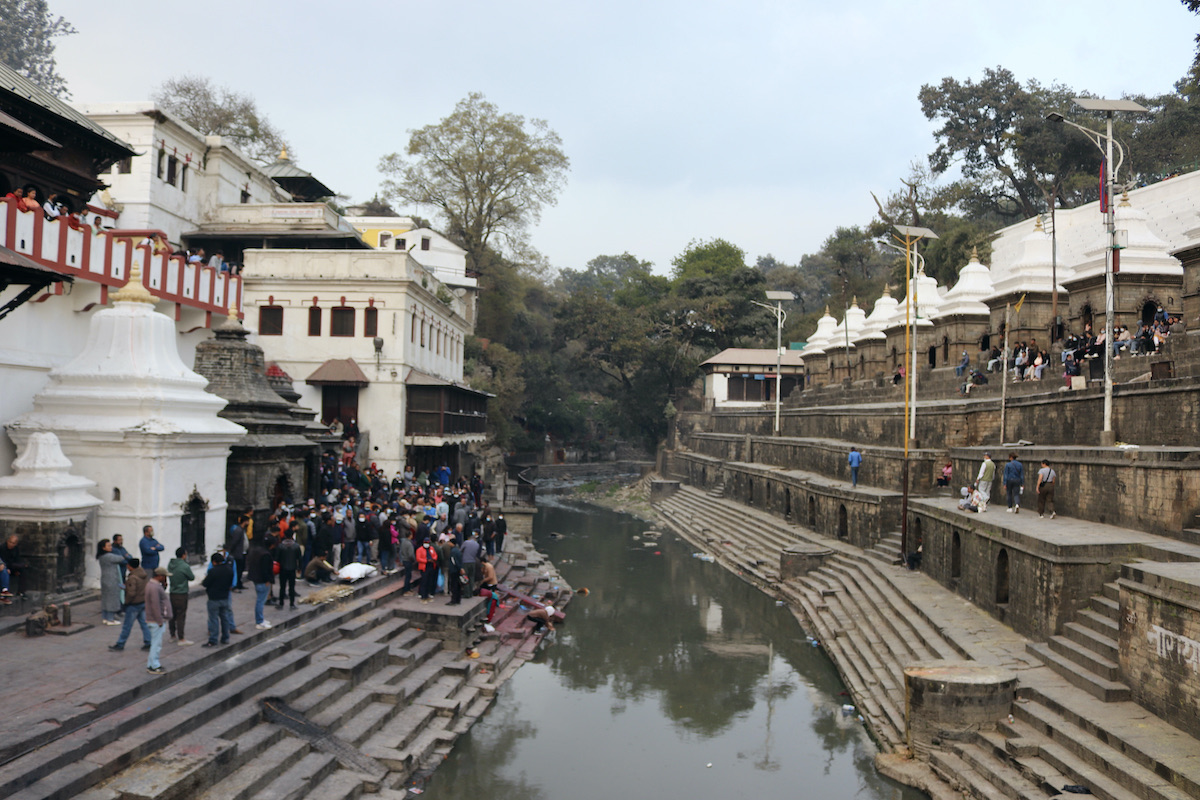
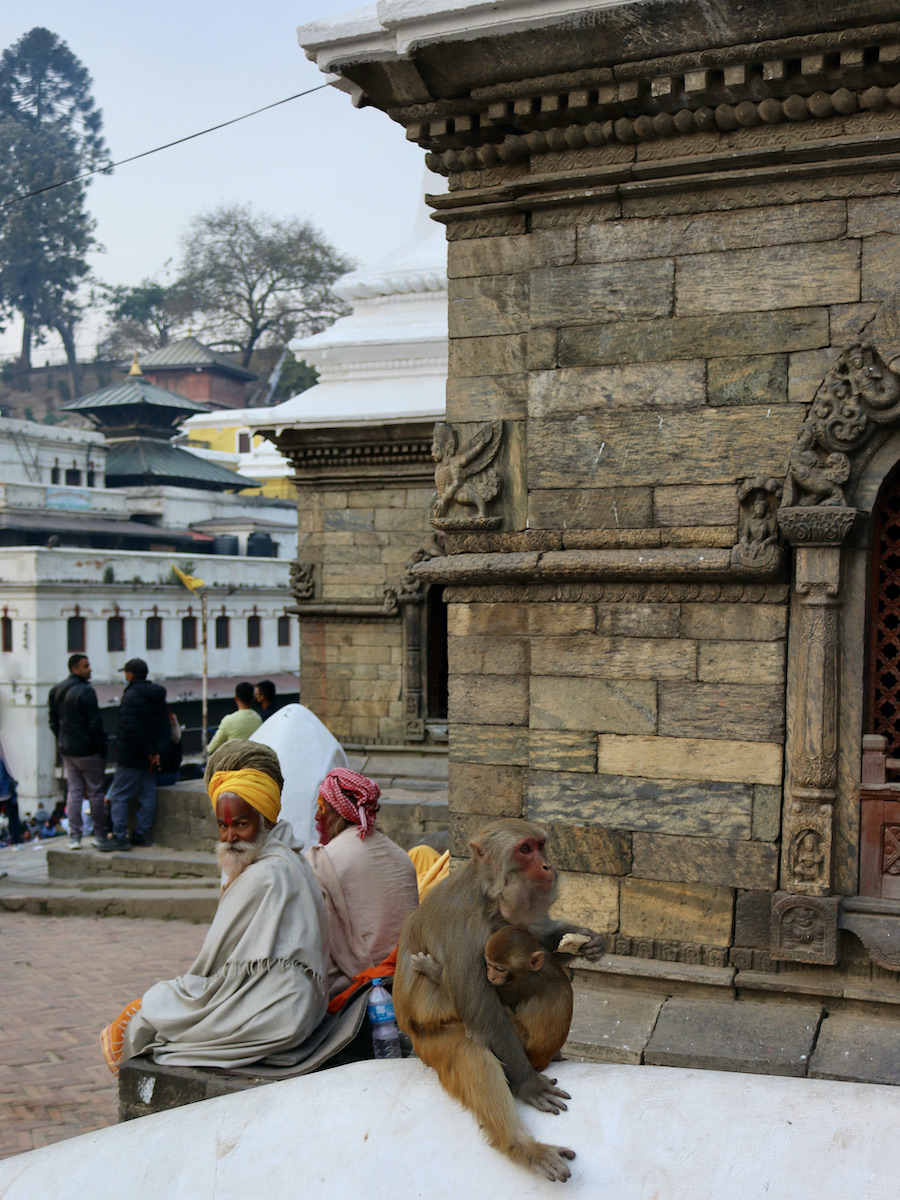
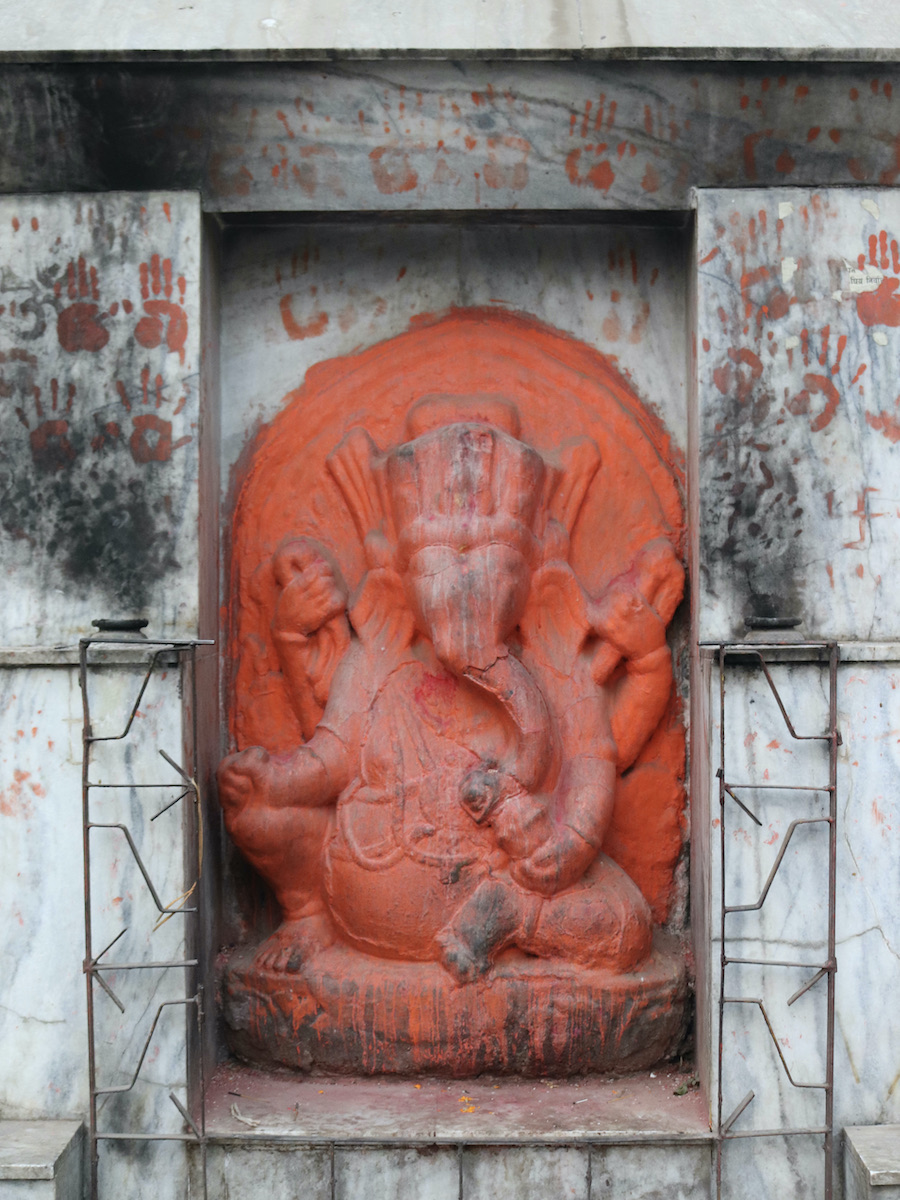
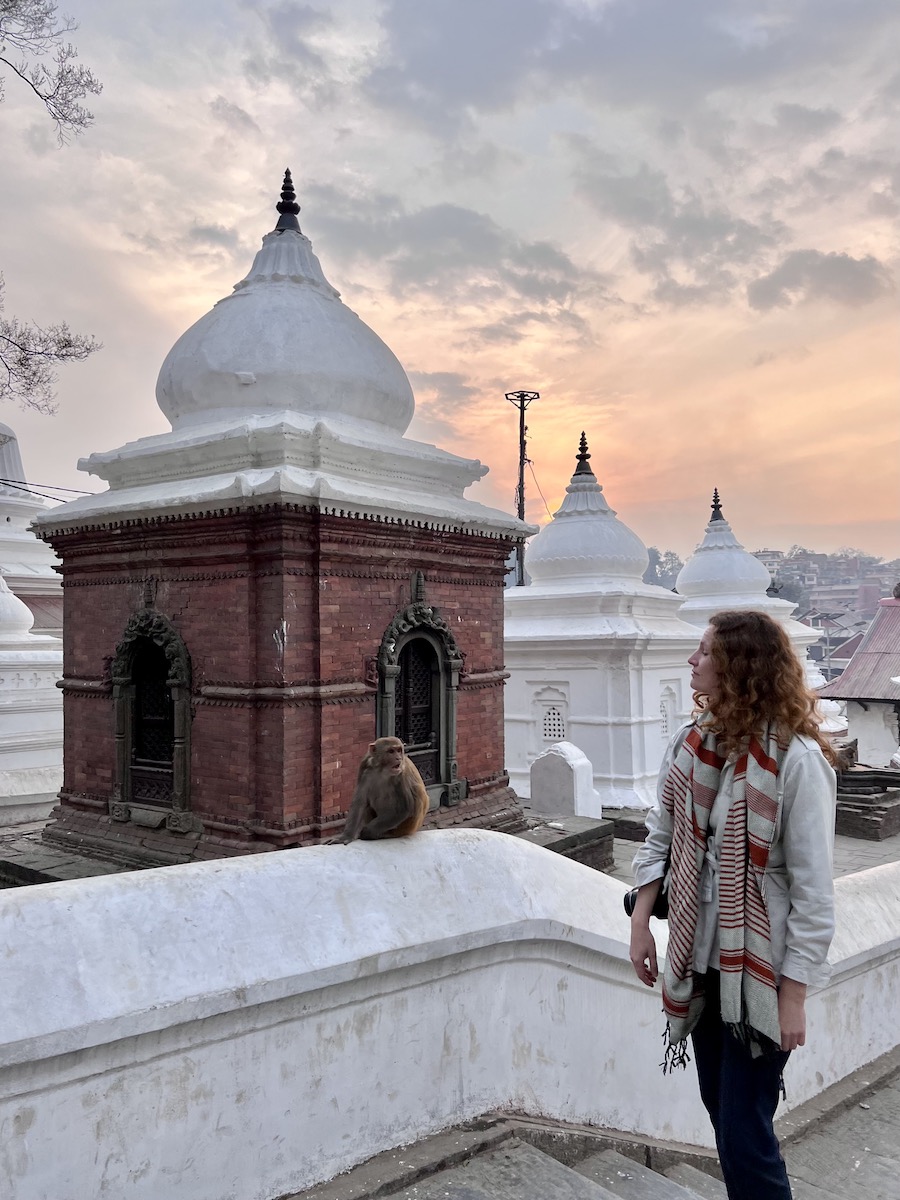
The place is especially atmospheric as the light goes down, and in the evening you might get a glimpse of an Aarti fire offering ceremony. There are monkeys everywhere here too, some cows and the occasional holy man. Pashupatinath is not far from Dwarika’s, so book the Nepali tasting menu at their Krishnarpan restaurant afterwards.

Day 2: Bhaktapur & Patan
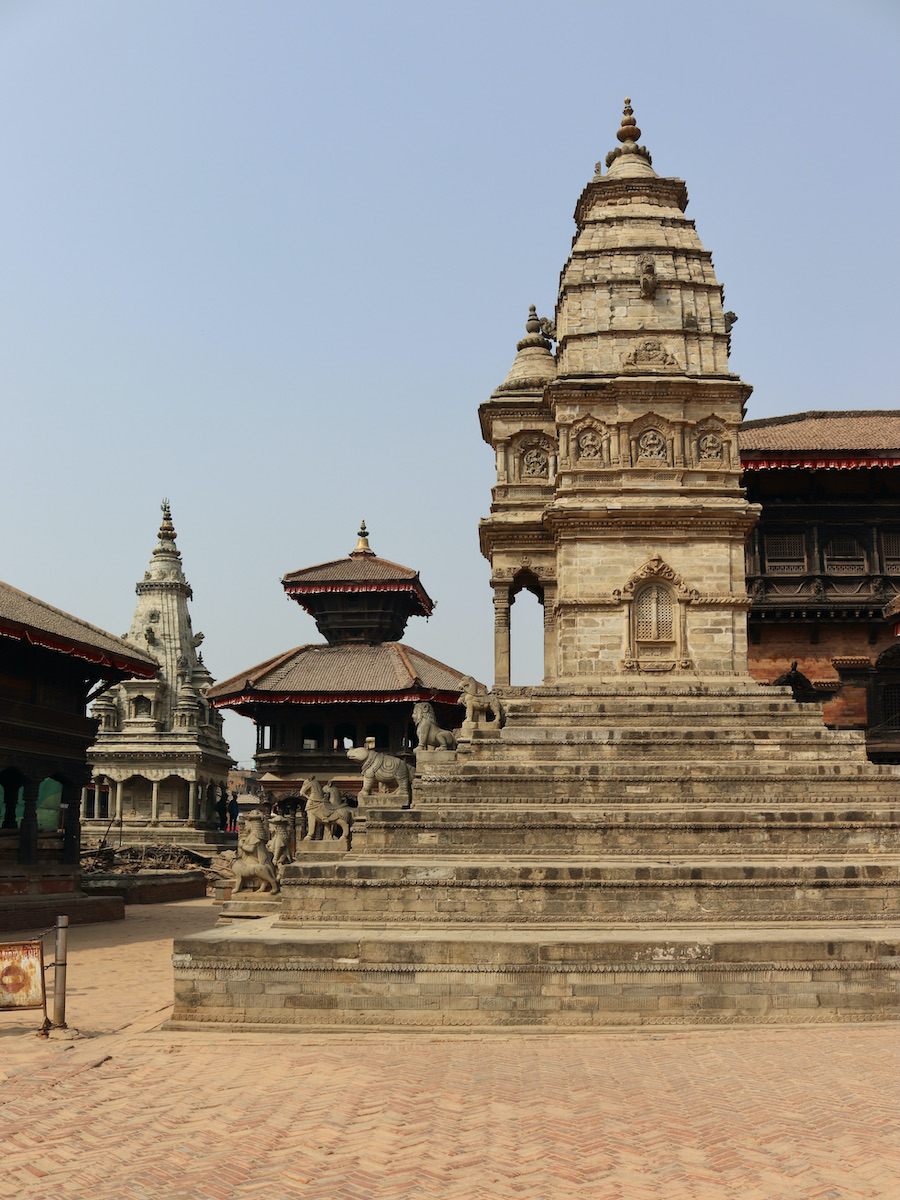
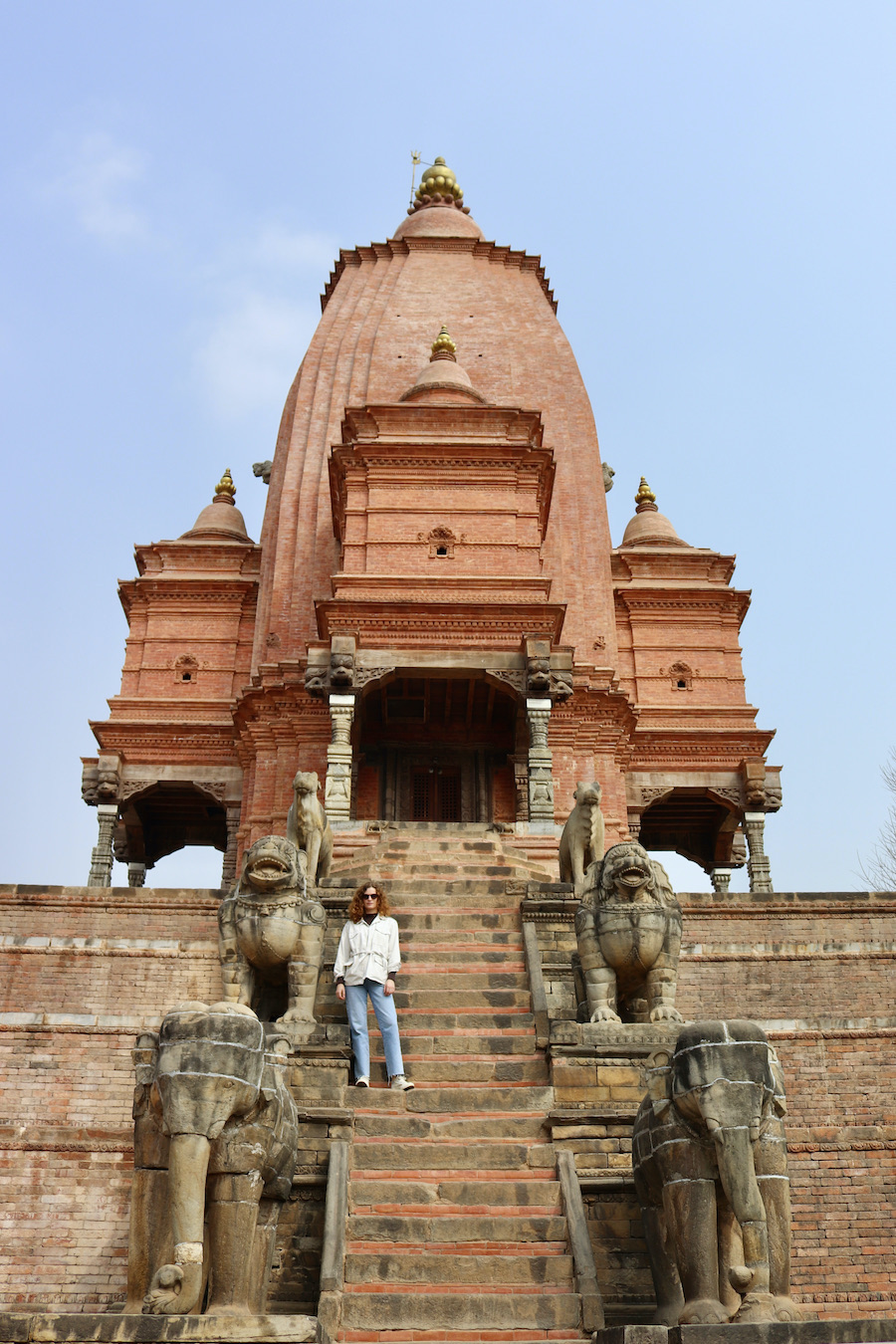
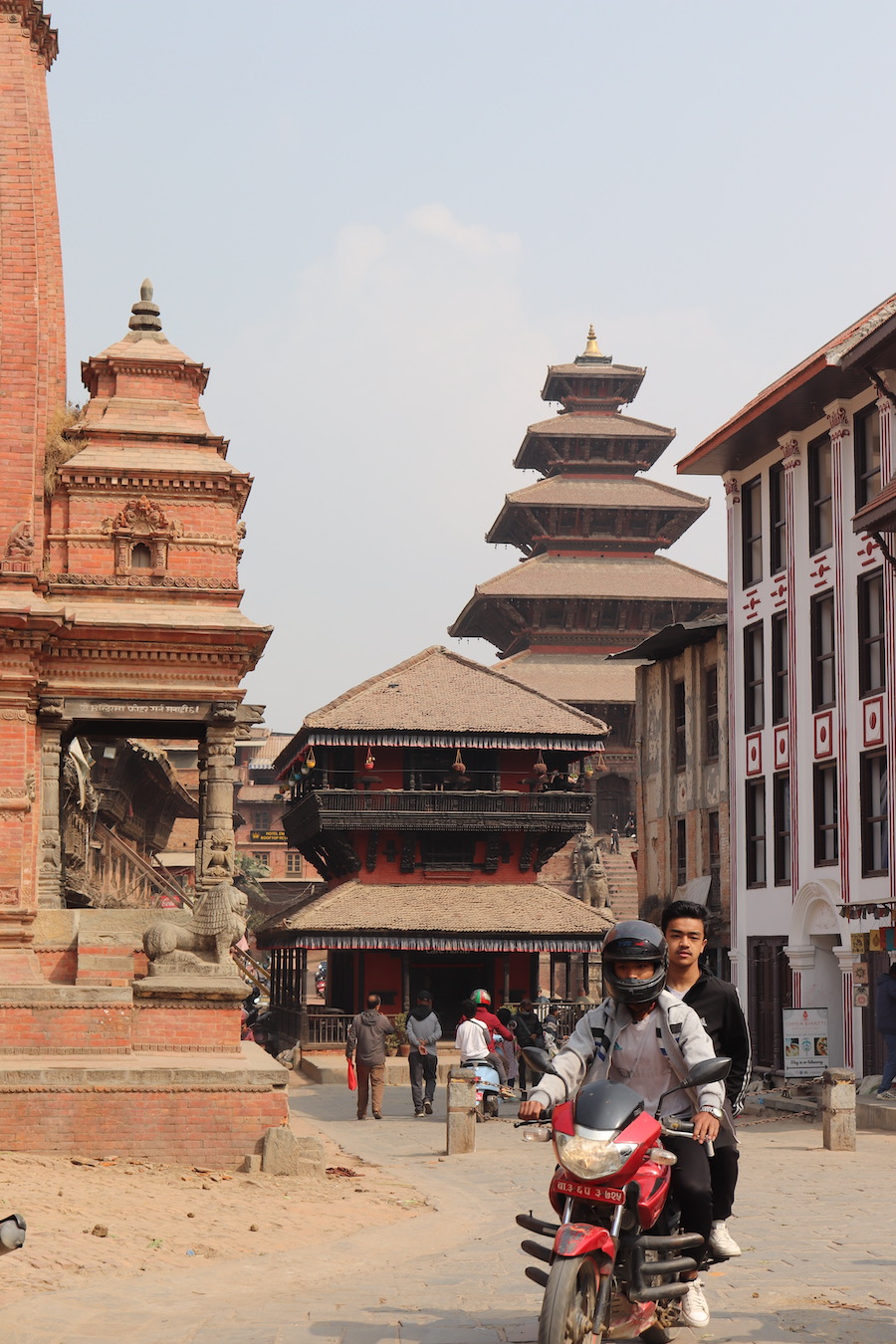
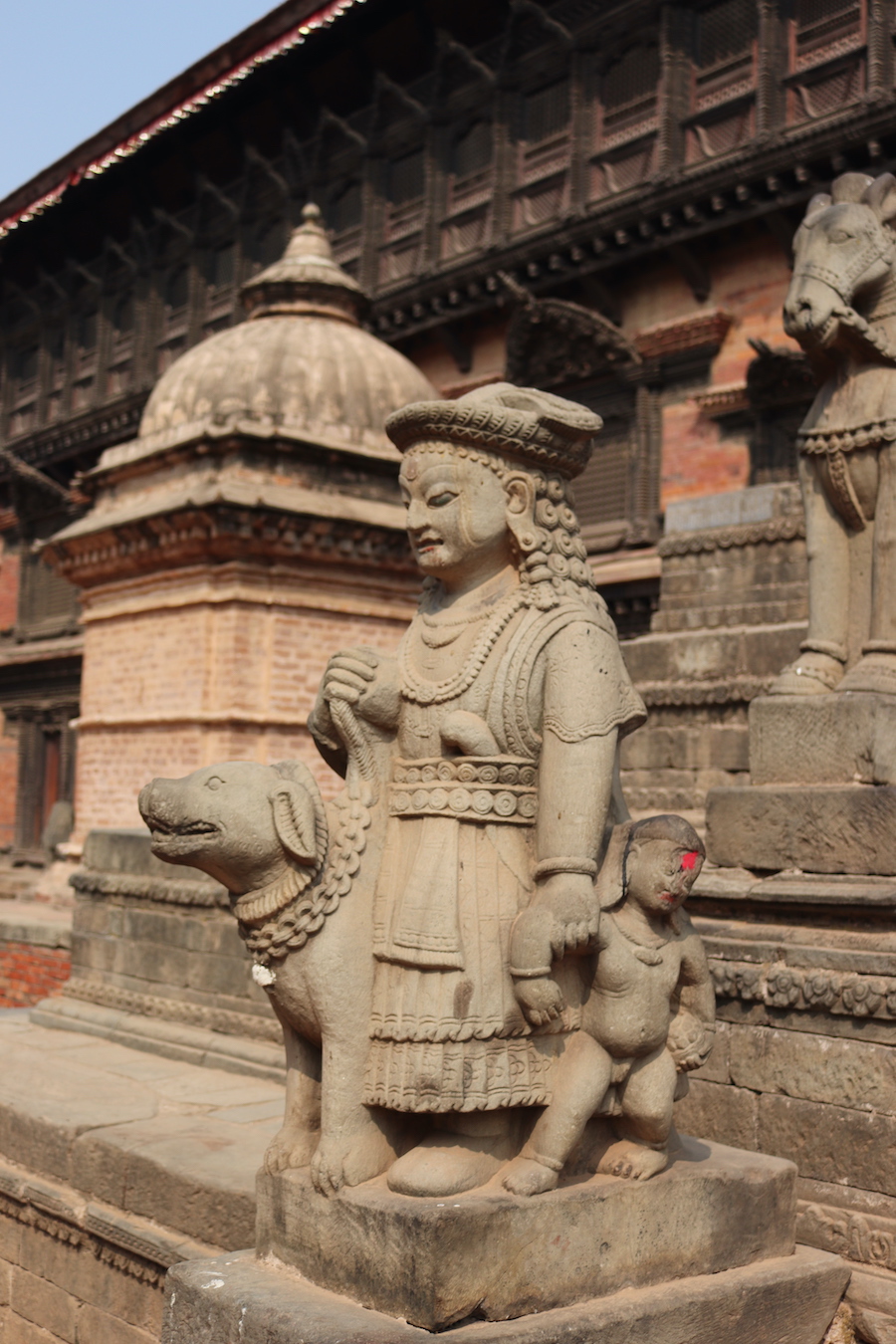
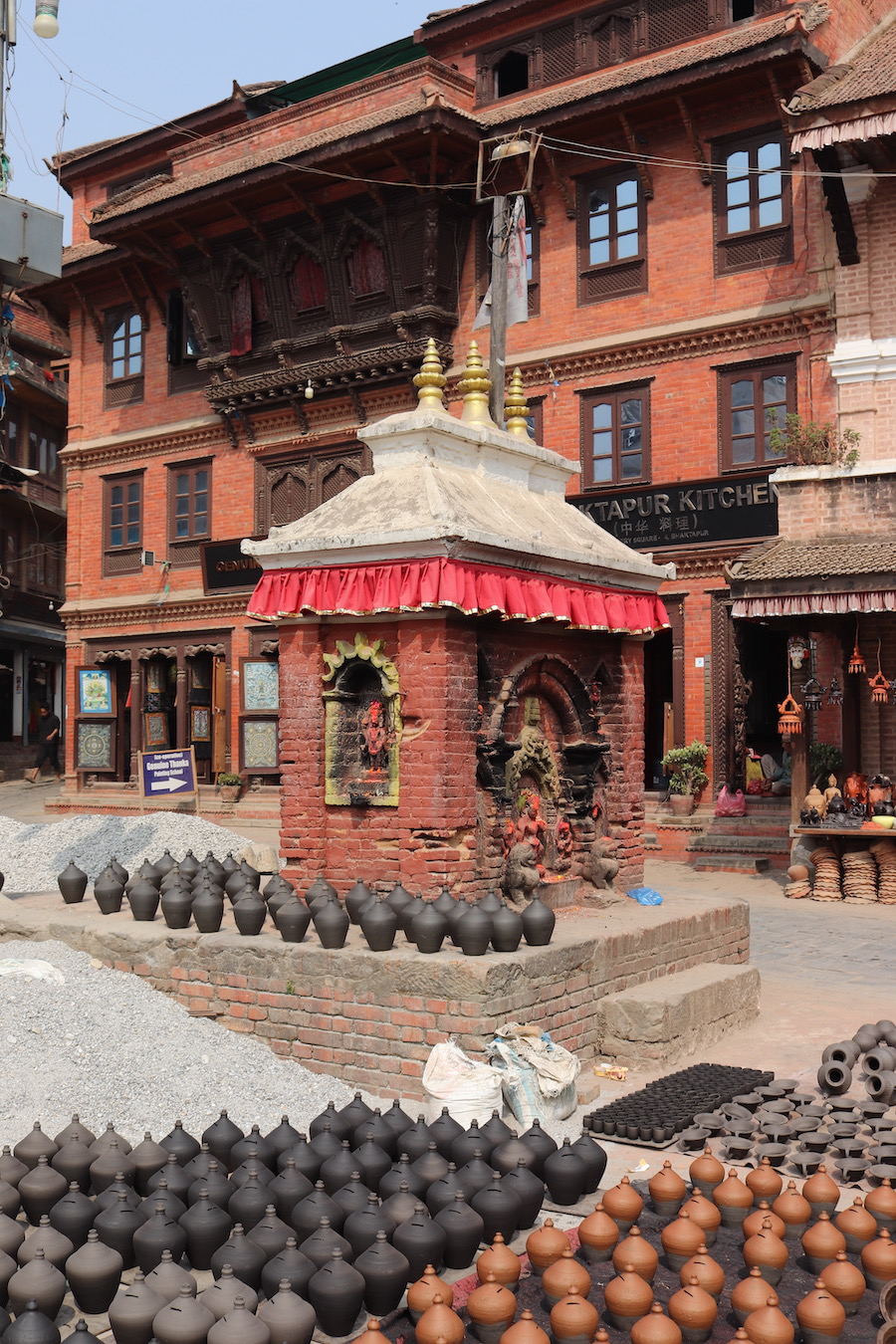
Organise a driver for (the first part of) the day. It’s about half an hour to Bhaktapur, capital of Nepal from the 12th until the 15th century and an important cultural city renowned for its temples and craftwork. Here you can visit another UNESCO listed Durbar Square. If you arrive early you’ll have the place almost to yourself, later on more tourists arrive. The museum in the palace is a bit of a hotchpotch, instead spend your time wandering around the square admiring the fine Newari architecture. Don’t miss Nyatapola temple on Taumadhi Square and nearby Pottery Square.

Next, drive another half hour to the small town of Dhulikhel for panoramic mountain views and a relaxed lunch at Dwarika’s Resort (reserve ahead). We skipped this as visibility was terrible when we were there, but it looked amazing and if you have the time it would probably be very nice to spend a night here.
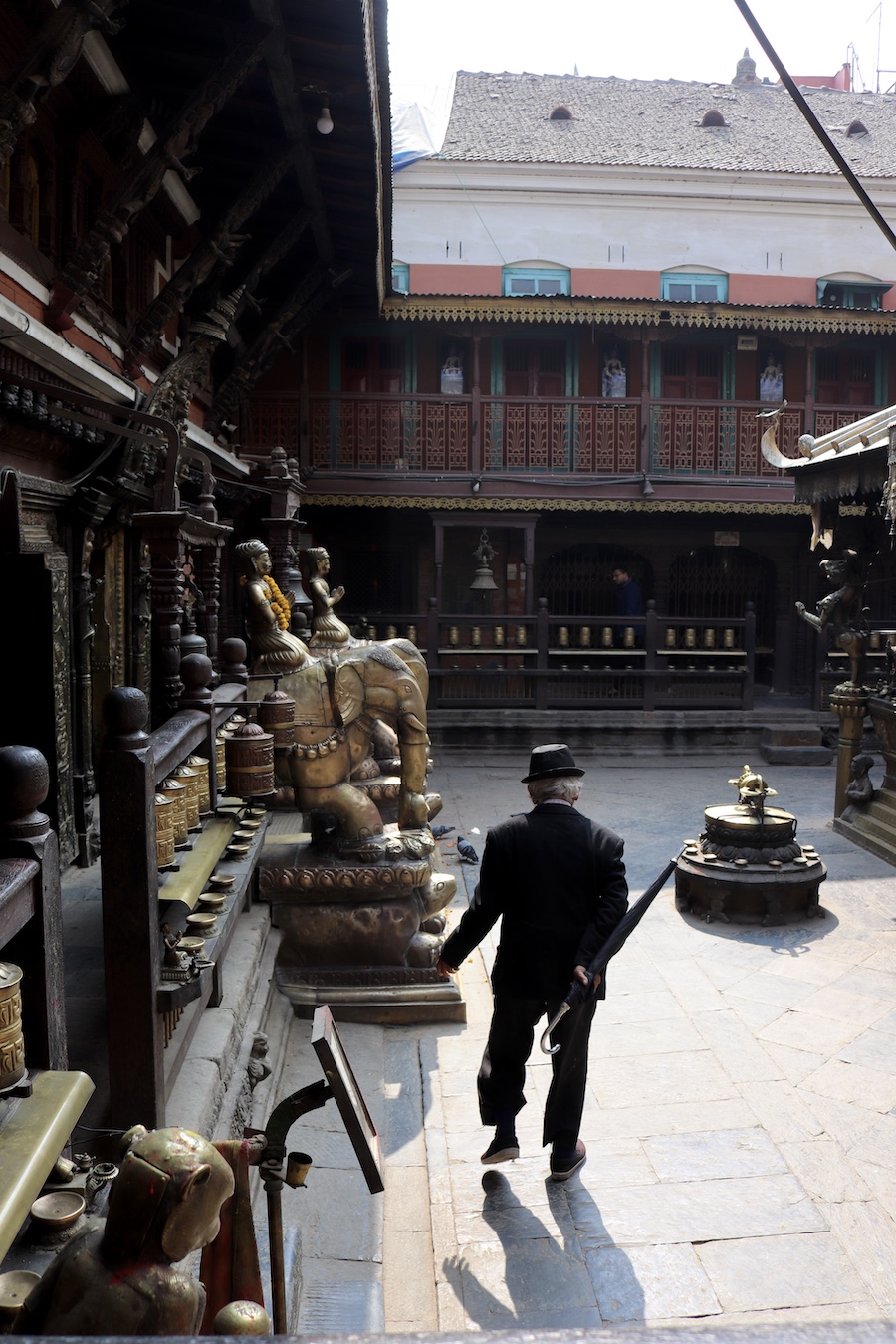
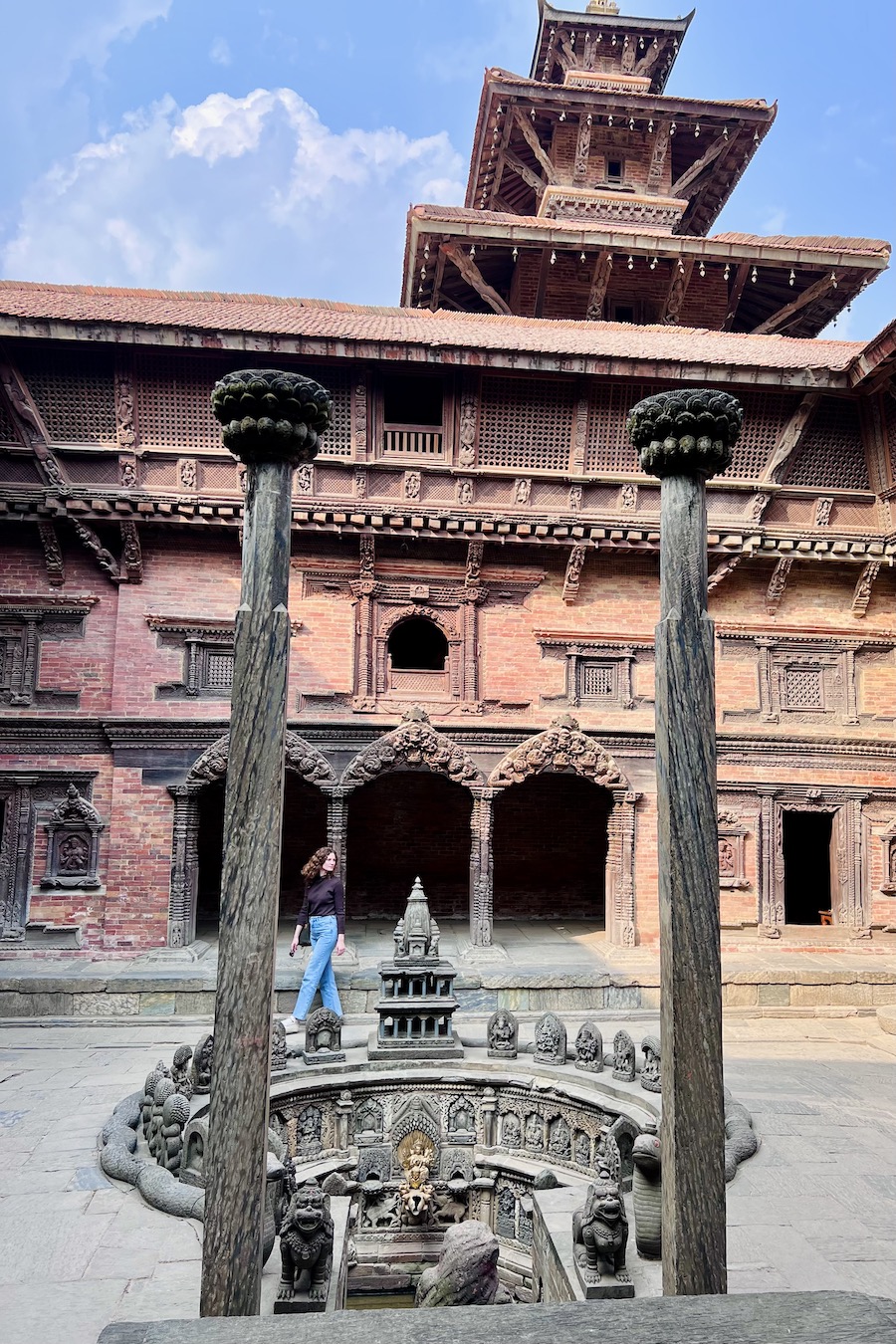
After lunch, head back to Patan (also known as Lalitpur), another royal city with another fabulous Durbar Square. The Patan museum located on the square is the nicest and best presented of its kind and very informative about Hindu and Buddhist iconography (if you are based in Patan you might want to go here first of all). Make sure to check out the beautiful Golden Temple just off Durbar Square. Kumbeshwar Mandir, the oldest Hindu temple in Patan, is also worth a little detour.


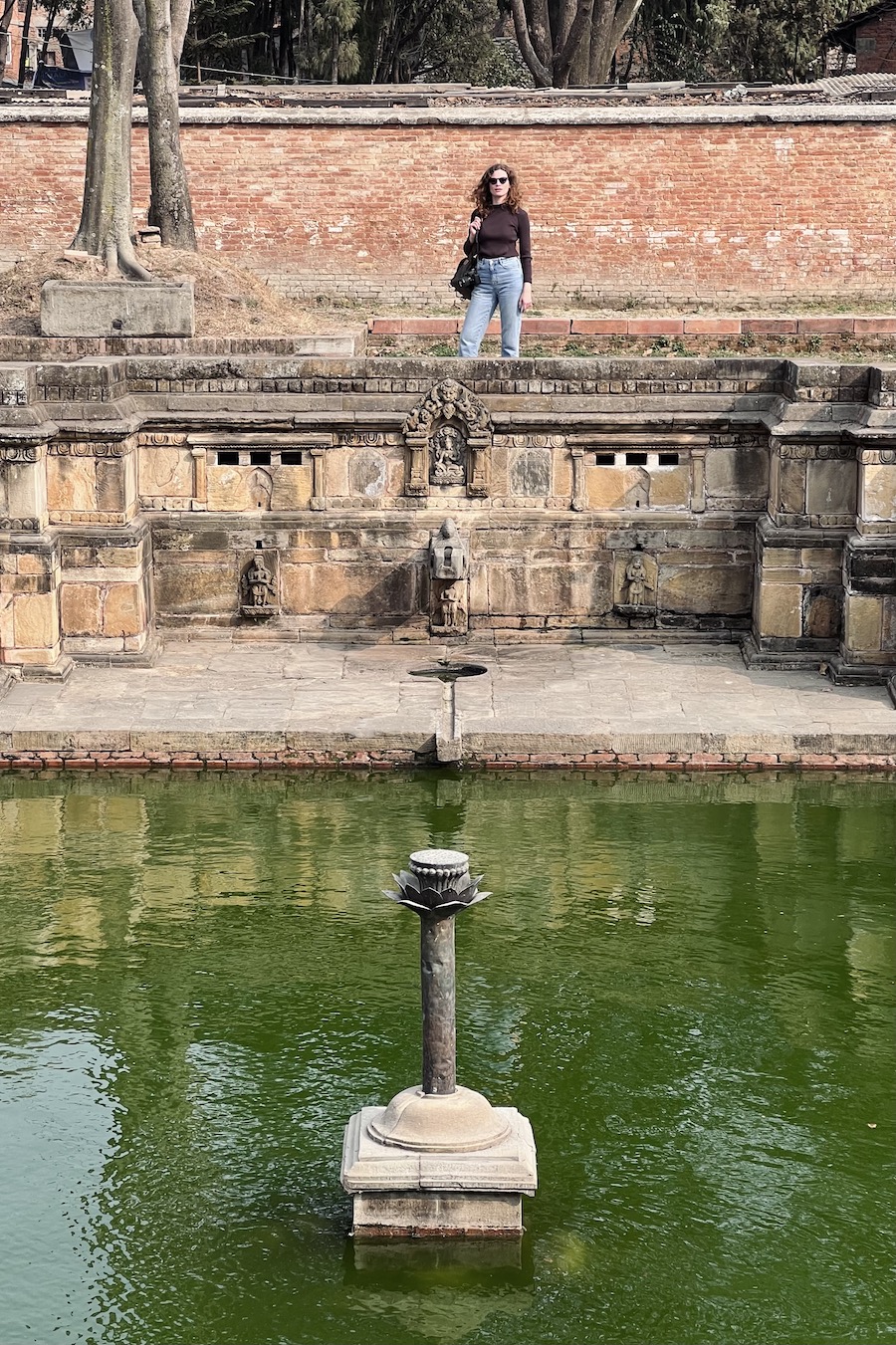
From here, wind your way through the old town to Mangal bazar. There was no market on the Saturday we visited, but it was still nice to get a look at local life. Make your way back to Durbar Square at dusk to see the temples lit up.


Day 3-5: Bardiya National Park
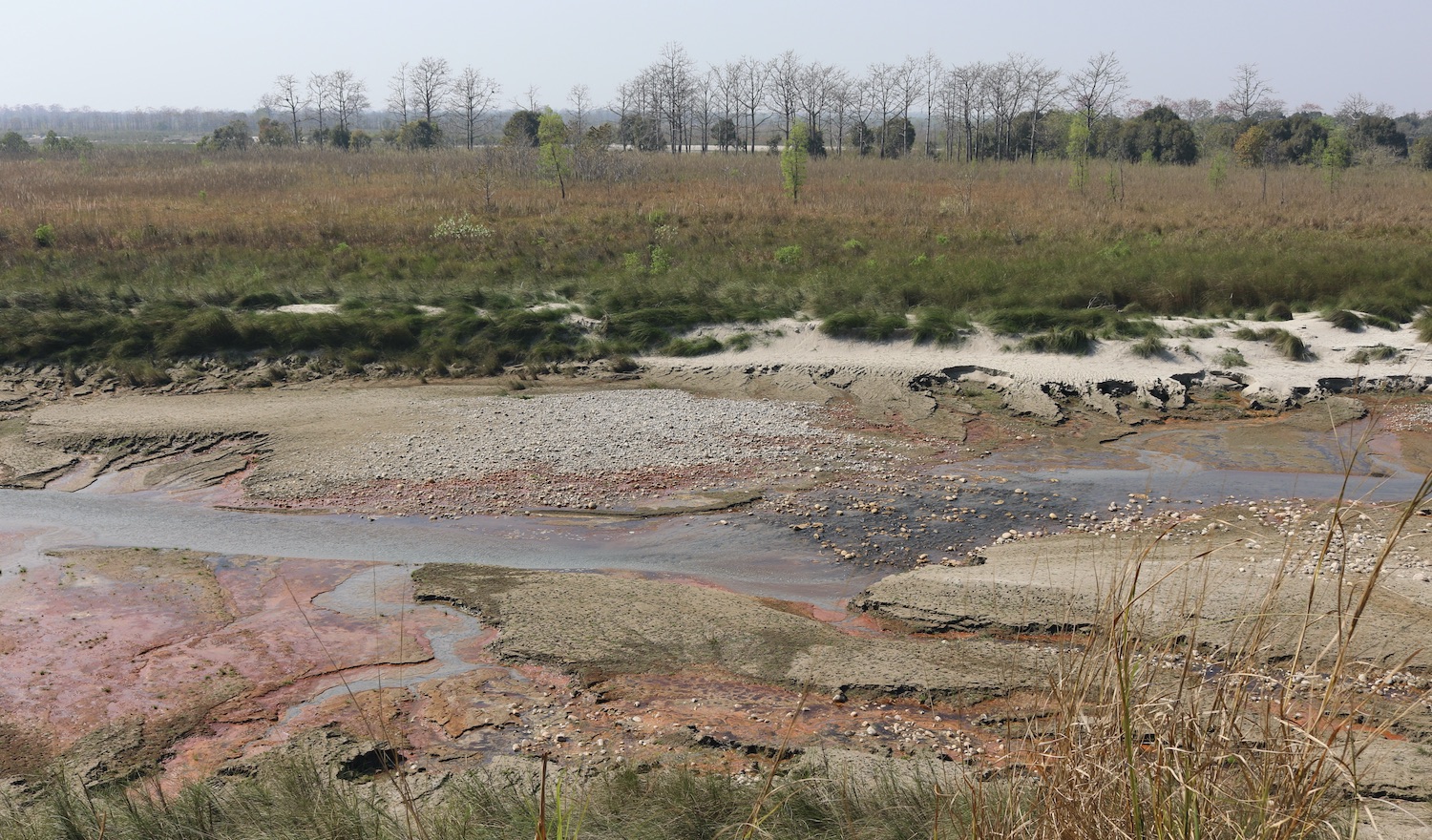
Time for a very different side of Nepal, and one I was completely unaware of before going! Bardiya National Park is located in the western part of the lowland Terai area, which has a tropical savannah climate. It was established in 1988 to protect the habitat of the Bengal tiger and its prey species and is now one of the best places to encounter this elusive animal.

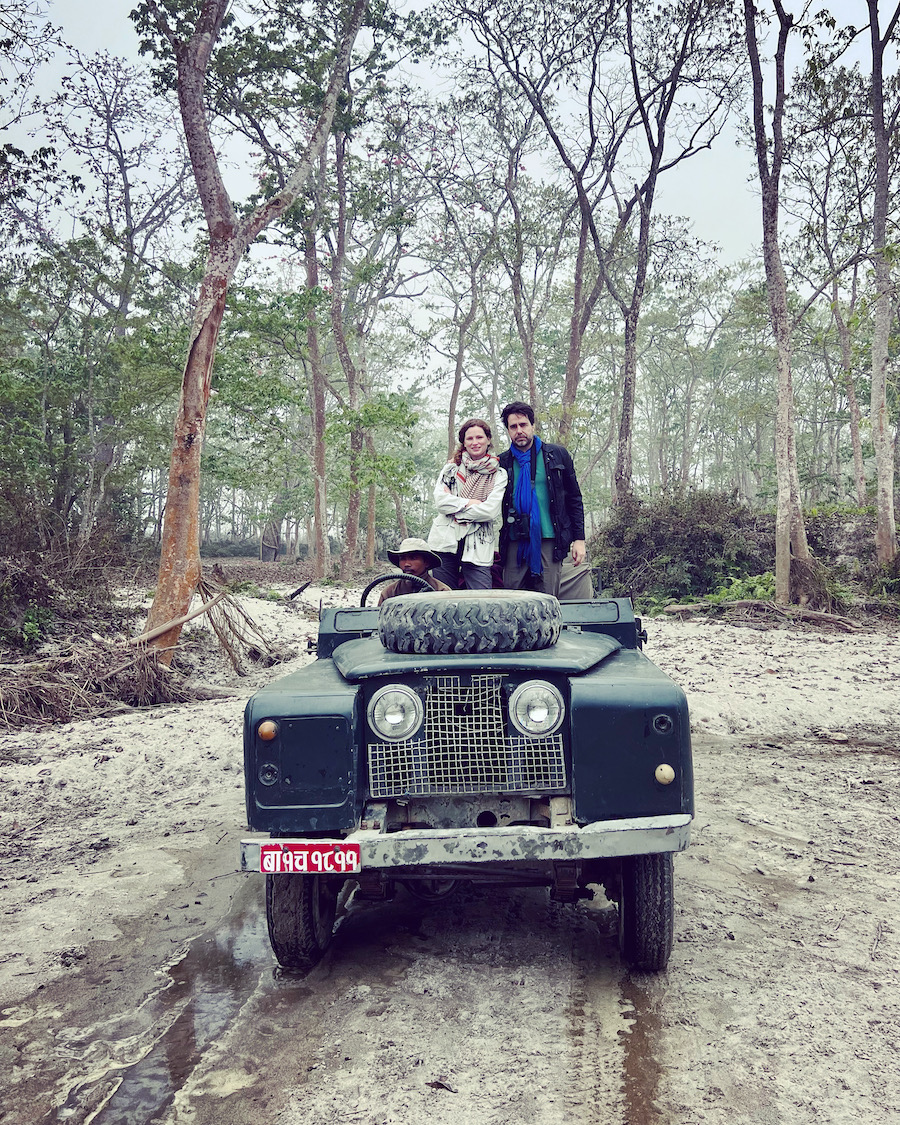
To get there, fly to Nepalganji from where it’s about a two hour drive to Tiger Tops Karnali Lodge. A wonderful lodge with great service and expert wildlife guides, it is worth spending a little extra for their luxurious and elegant signature rooms. The vintage open-top Landrovers used for jeep safaris are an added bonus.
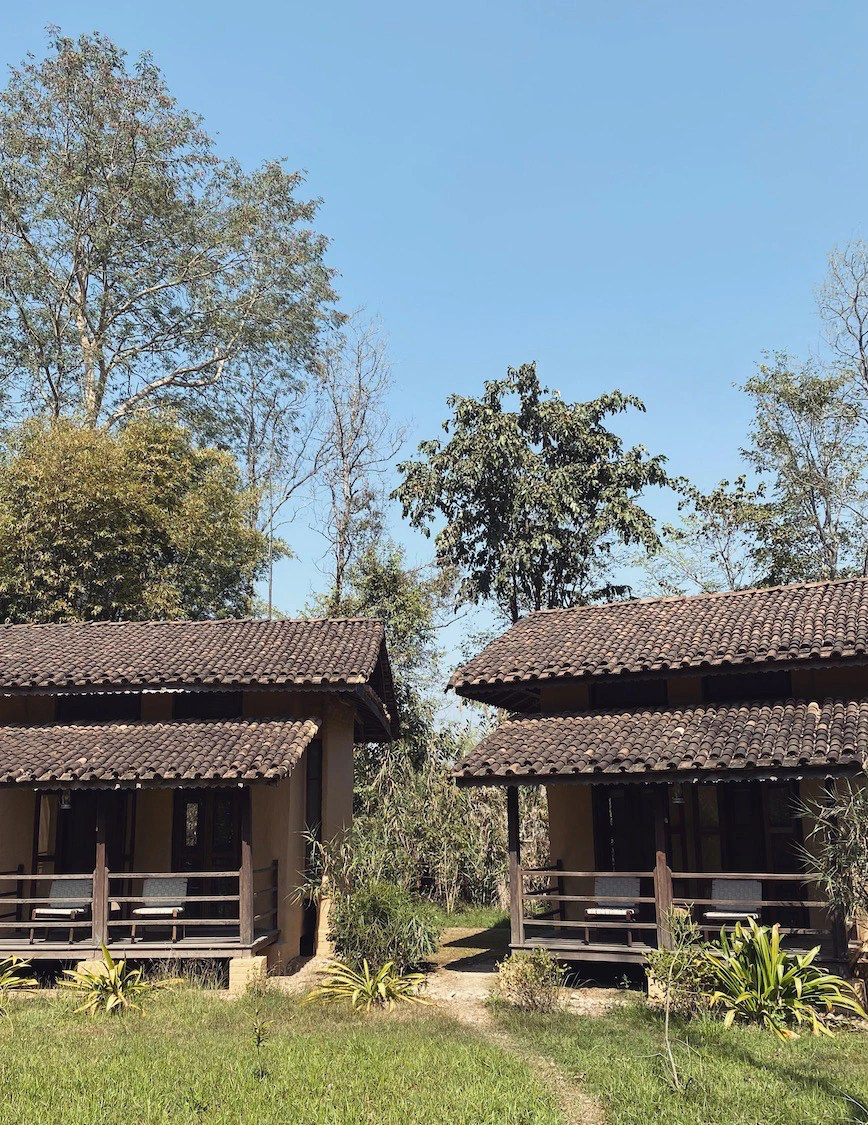
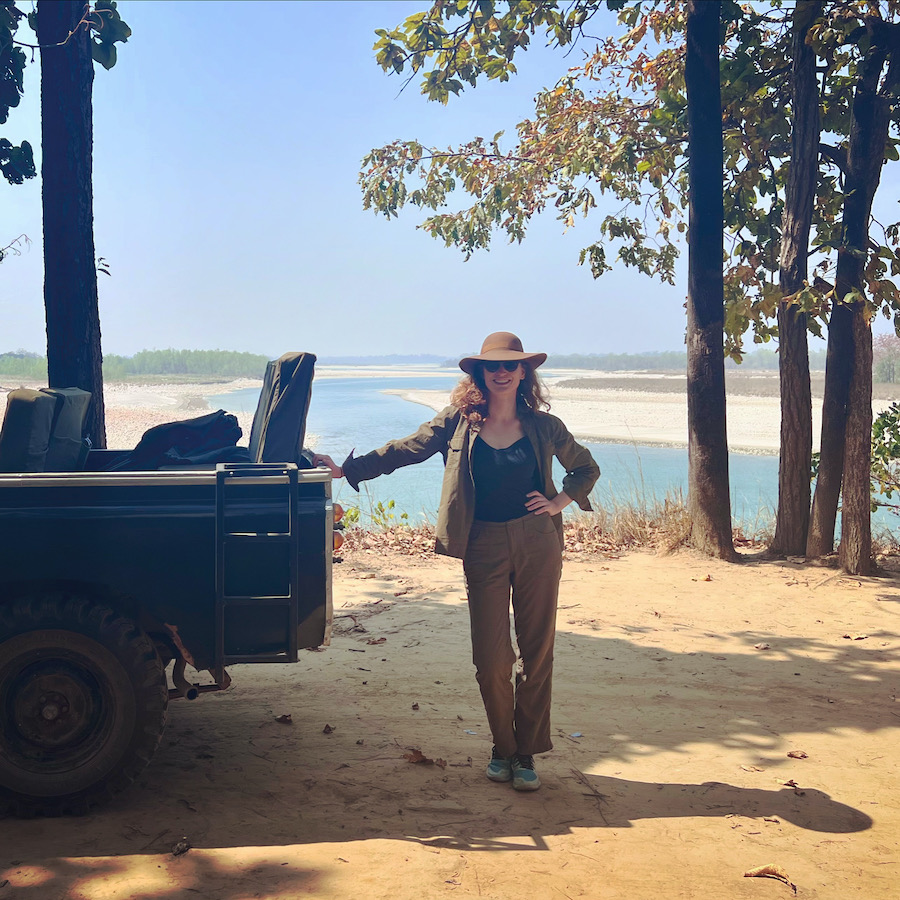
Karnali Lodge borders the park but unfortunately you are no longer allowed to enter directly, the official park entrance is a 10 minute drive away. It only opens at 7 am, and the ticket office is a frustratingly slow affair. We discovered (unfortunately too late) that you can also buy entry tickets the day before, ask the lodge to do this for you as the first car in the park has the highest chances of seeing a tiger!
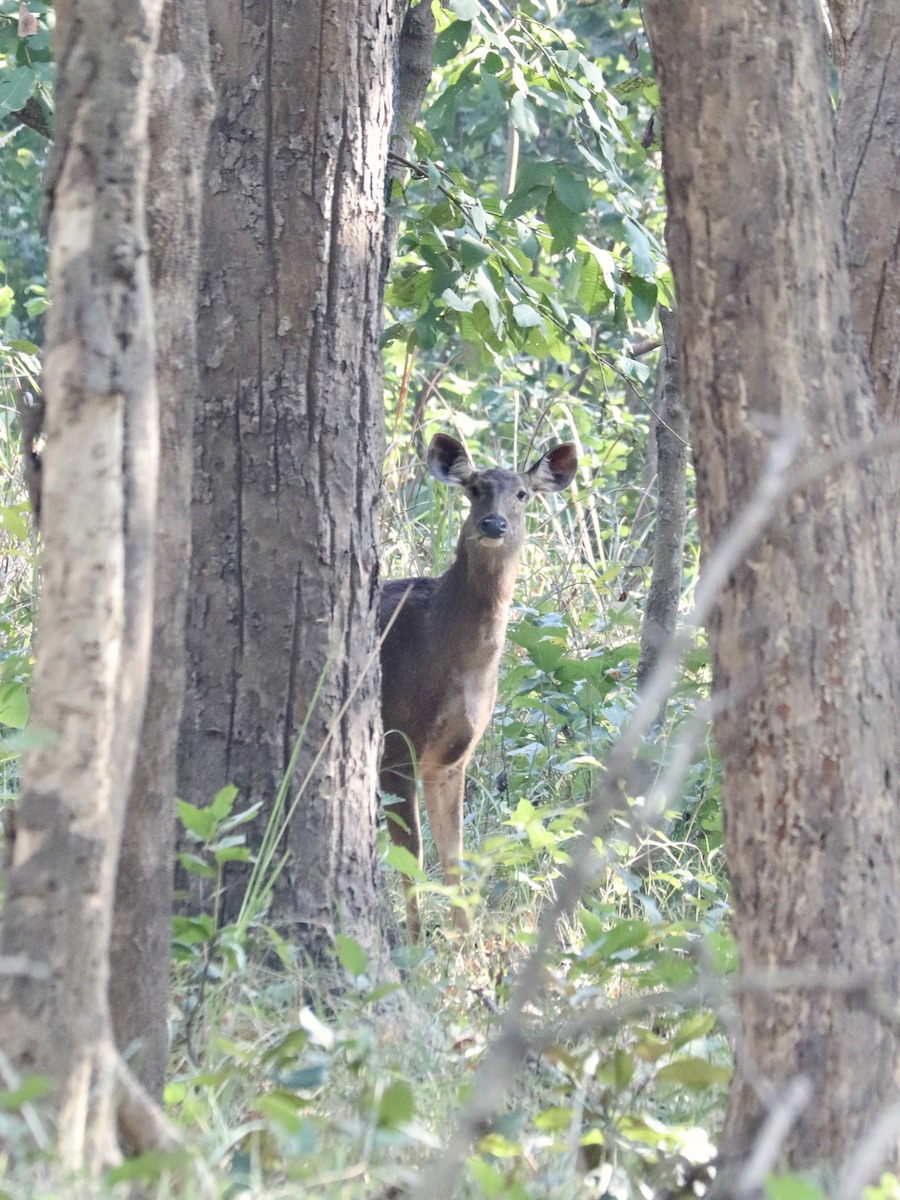
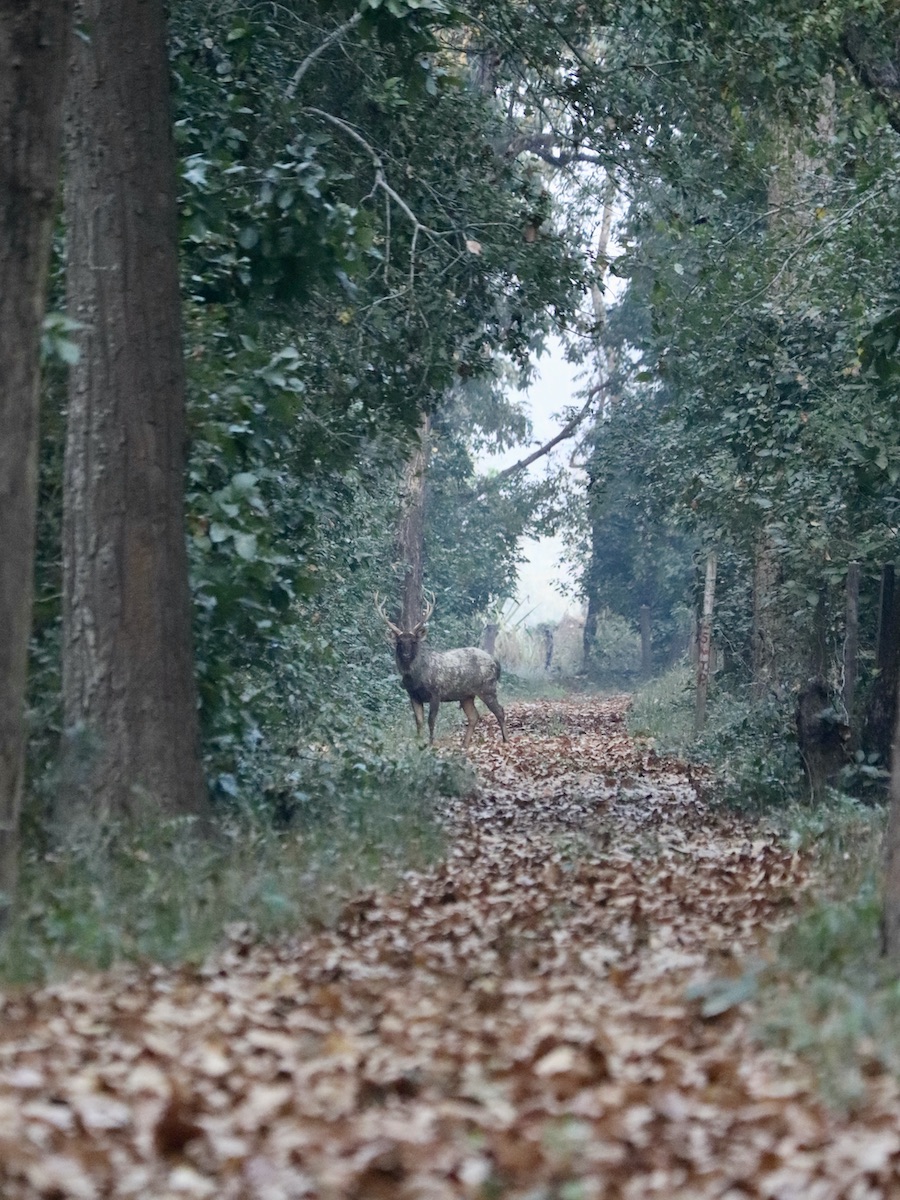
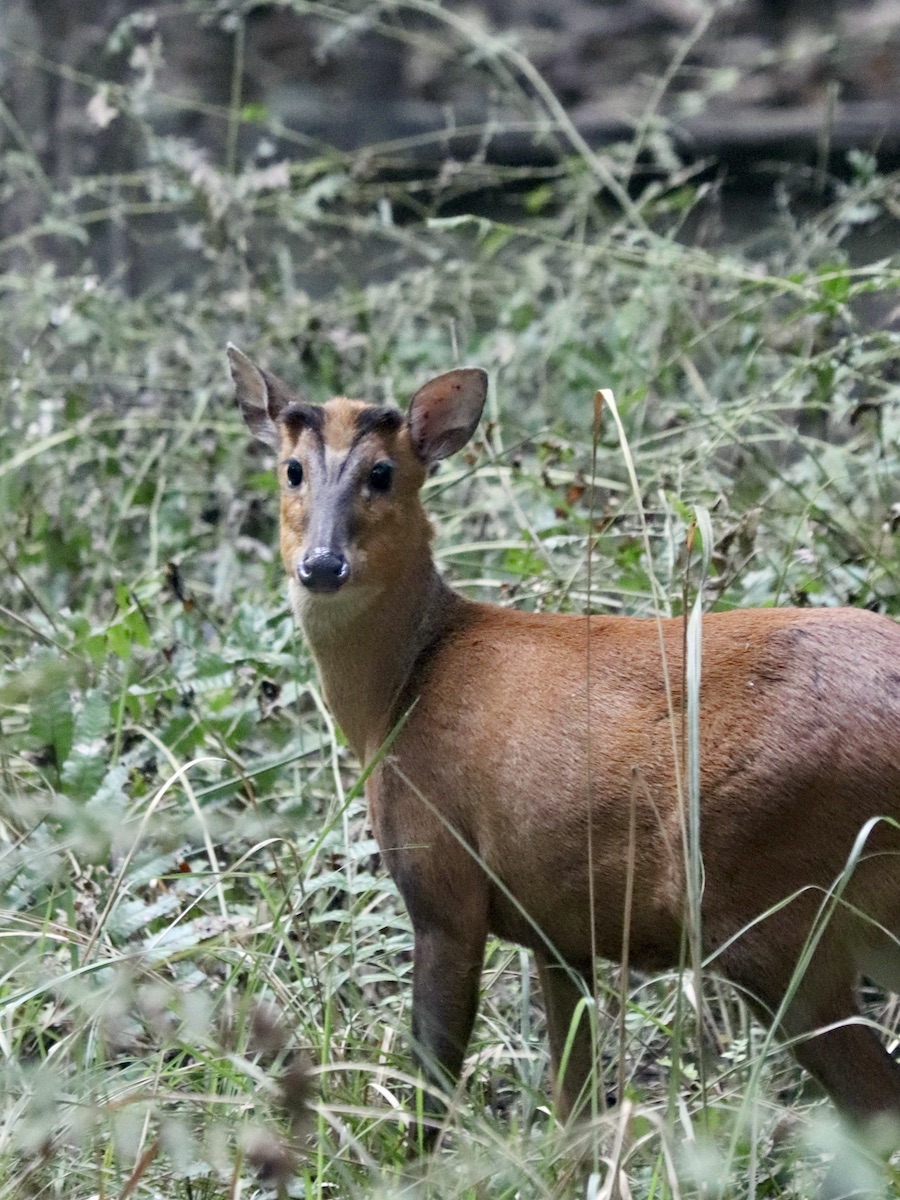

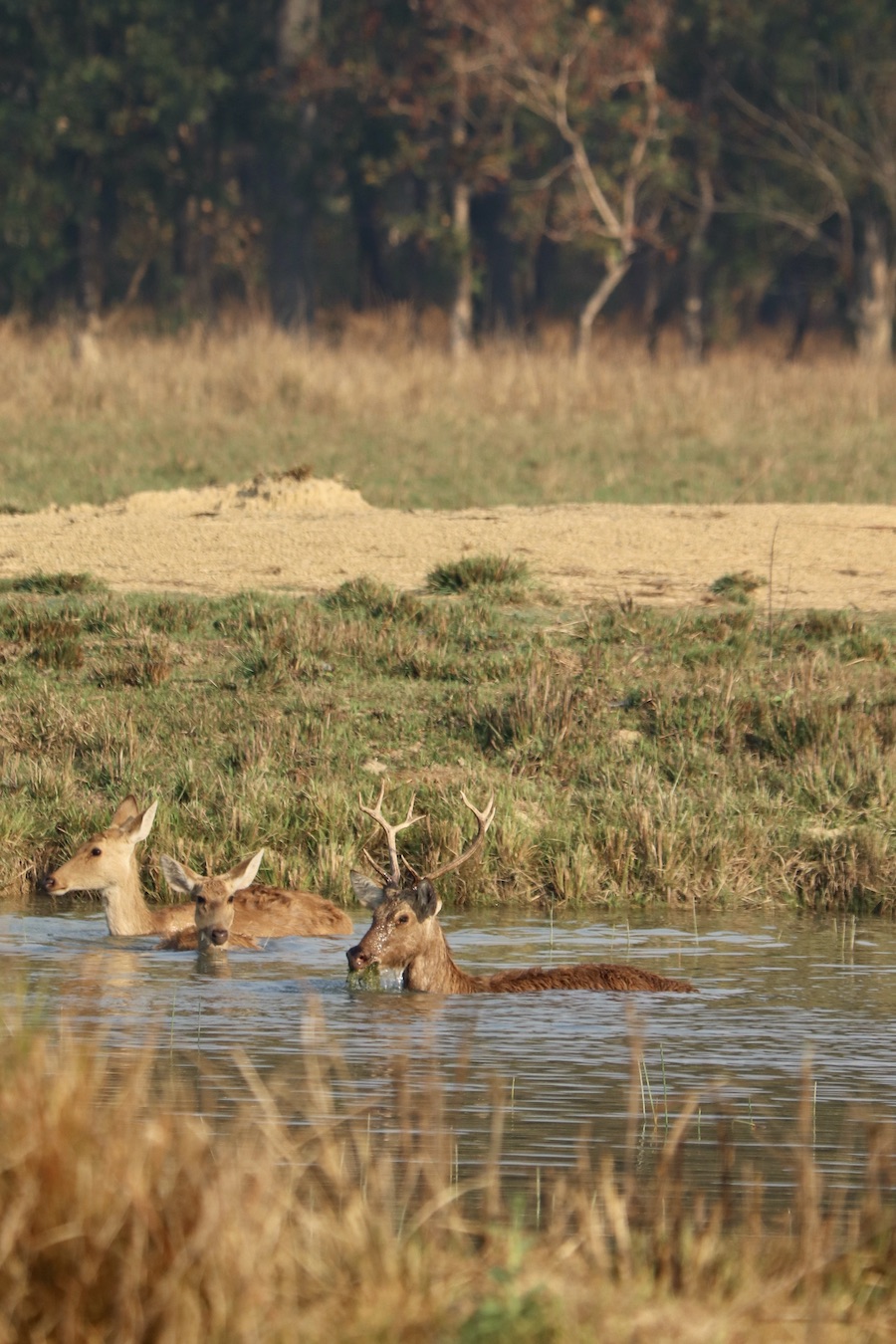
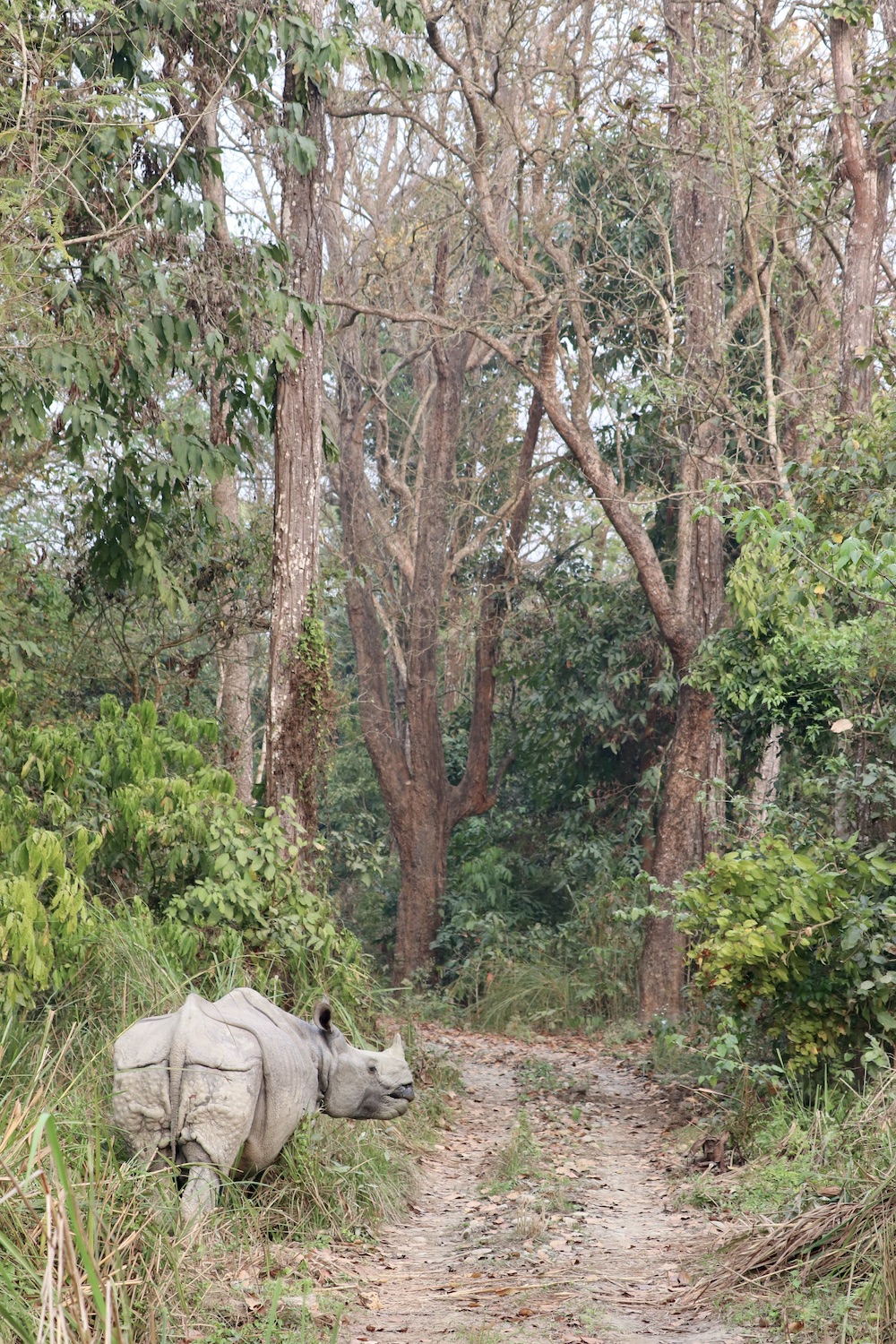
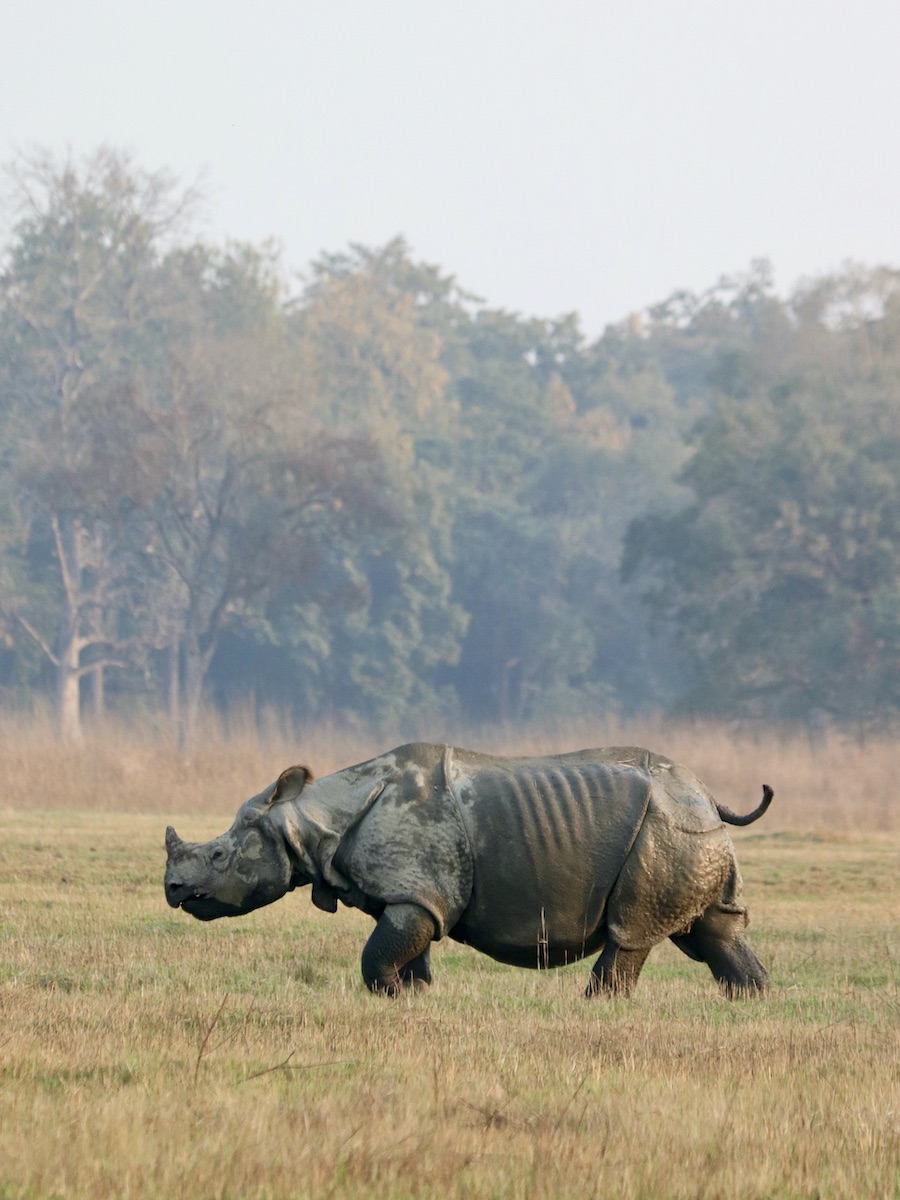
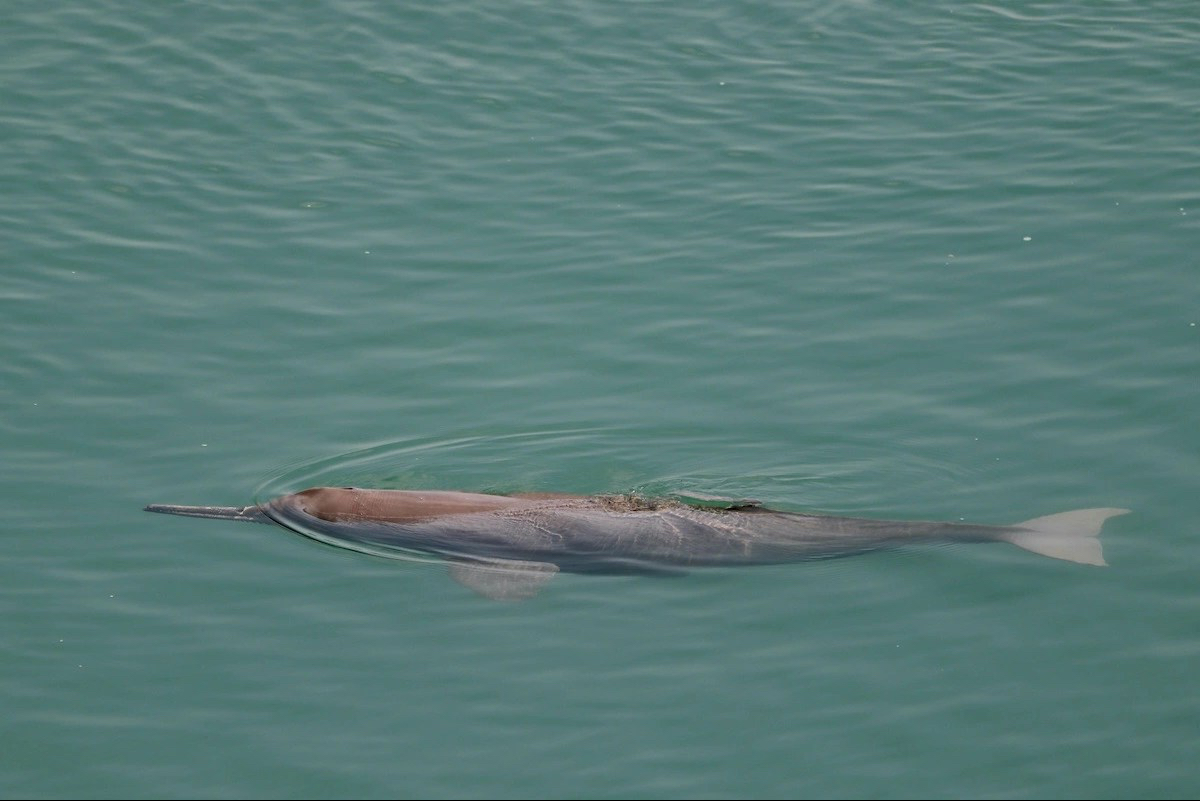
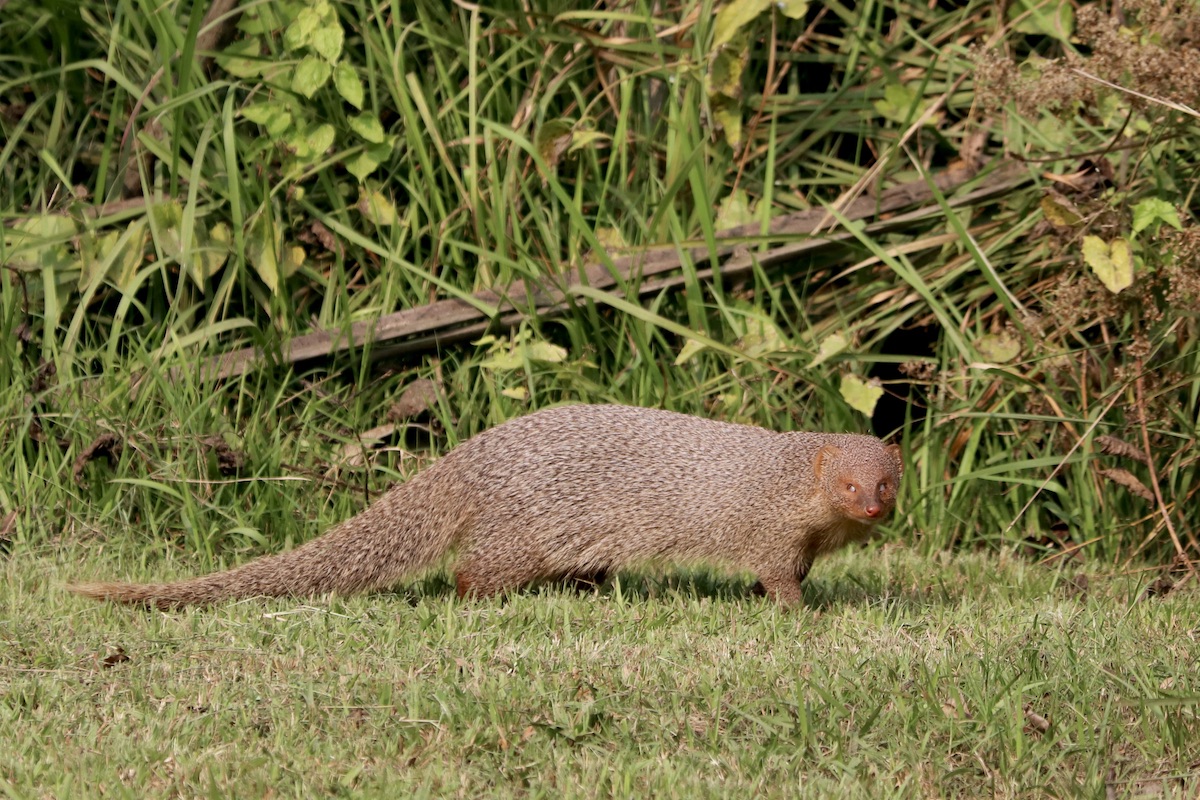
Tigers are very regularly seen in Bardiya, but keep in mind that these are mostly nocturnal and very shy animals, so you will need to get up early and simply be lucky. Although we came across plenty of tracks and traces of tigers, we sadly didn’t get to see any. We did find a sloth bear (I unfortunately only managed to take a blurry photo) and ganges river dolphin, besides wild elephants, greater one-horned rhinoceros, five species of deer and more. Other guests staying at the lodge had a great leopard encounter. You’ll want to spend most of your time on jeep safaris, as this is the best way to see tigers, but a walking safari is a nice option for a change. The small crocodile breeding centre near the park entrance is also worth a quick visit.


Day 6: Pokhara
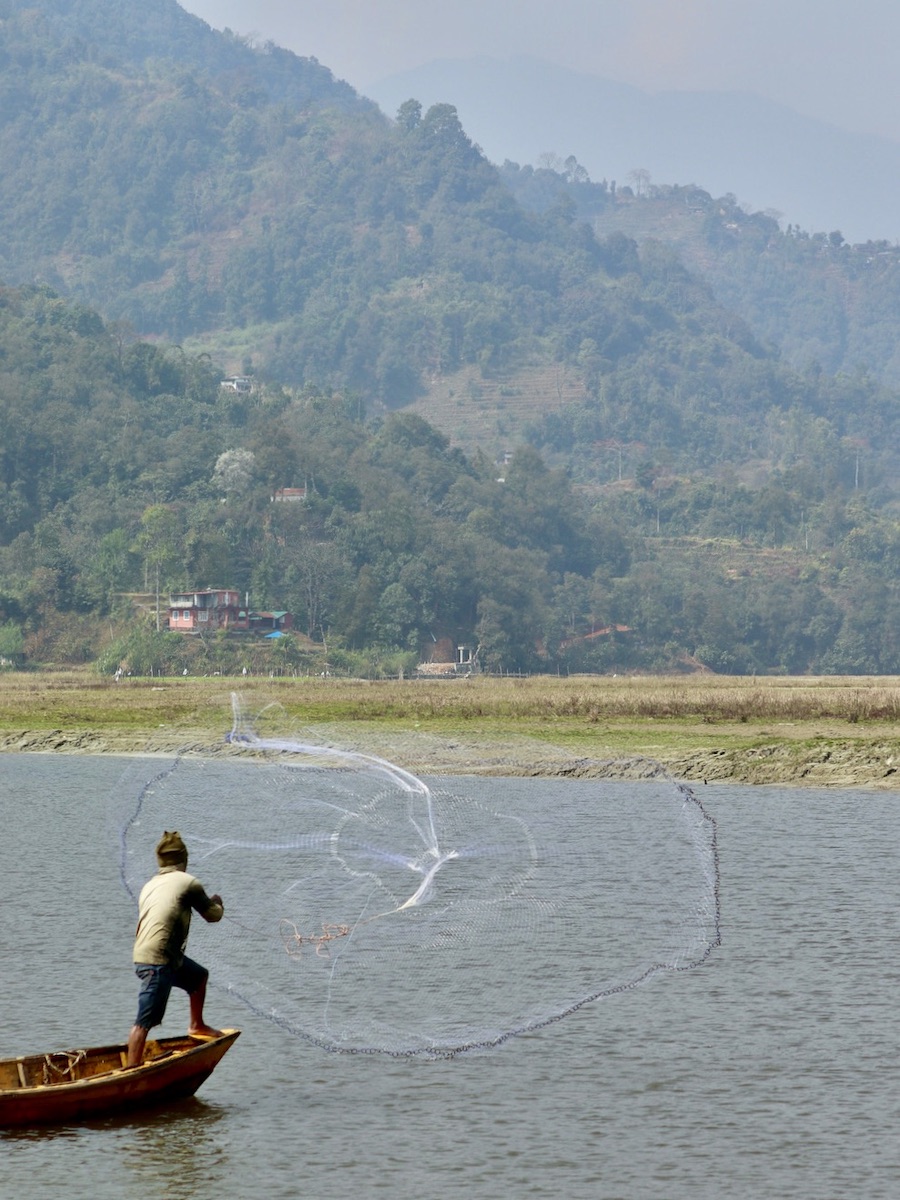
Our next destination was Chitwan National Park, but as there are no direct flights from Nepalganji we decided to add a little stop in Pokhara. Pokhara is the “base camp” for treks in the Annapurna mountain range, but even if you’re not planning on trekking you can get a little taste of the Himalayas here.
We spent two nights near Pokhara, but a very unseasonal hail storm disturbed our plans. We were a little underwhelmed in any case, and I would only really recommend going in the clear season, from September to November. Pokhara seemed to me a rather ugly city that caters exclusively to backpackers who want to relax post-trek. With good visibility the place might give you a very different feel though, and should be great for paragliding and panoramic viewpoints (like the World Peace Pagoda and Sarangkot).
We stayed at The Pavilions Himalayas Lake View, unfortunately as stated the view was missing the days we were there. Nevertheless, it has a lovely setting and is a good spot for some nature walks around the lake or in the surrounding hills. Manager Ambika is an excellent naturalist guide. The hotel itself is a bit average. The rooms are glamping-style tents, but because they’re neither rustic enough nor luxurious enough they fall flat in the middle. The common dining room (or clubhouse as they call it) is a rather sad affair if not for the panoramic view. The Pavilions Himalayas’ other hotel in the area, The Farm, is very comfortable, but a little too modern and somewhat lacking in charm…but after an arduous trek I understand the appeal!

Alternative day 6: Lumbini
If you’d prefer to go to Chitwan by car rather than plane it is possible to drive. Break up the 9-hour trip with a stop in Lumbini, the birthplace of Lord Buddha. According to Buddhist tradition, queen Maya gave birth here to prince Siddharta Gautama, the future Buddha, under a sal tree. The historic Mayadevi temple marks the spot. It’s a colorful place teeming with monks, pilgrims and families in their best sari.

The surrounding land has been designated the Lumbini Development Zone and is reserved exclusively for the construction of Buddhist monasteries and temples, built by different countries. The resulting collection of Buddhist architecture varies from quaint to kitsch. The place feels a bit unfinished and messy, but it’s rather interesting and fun to take a look.
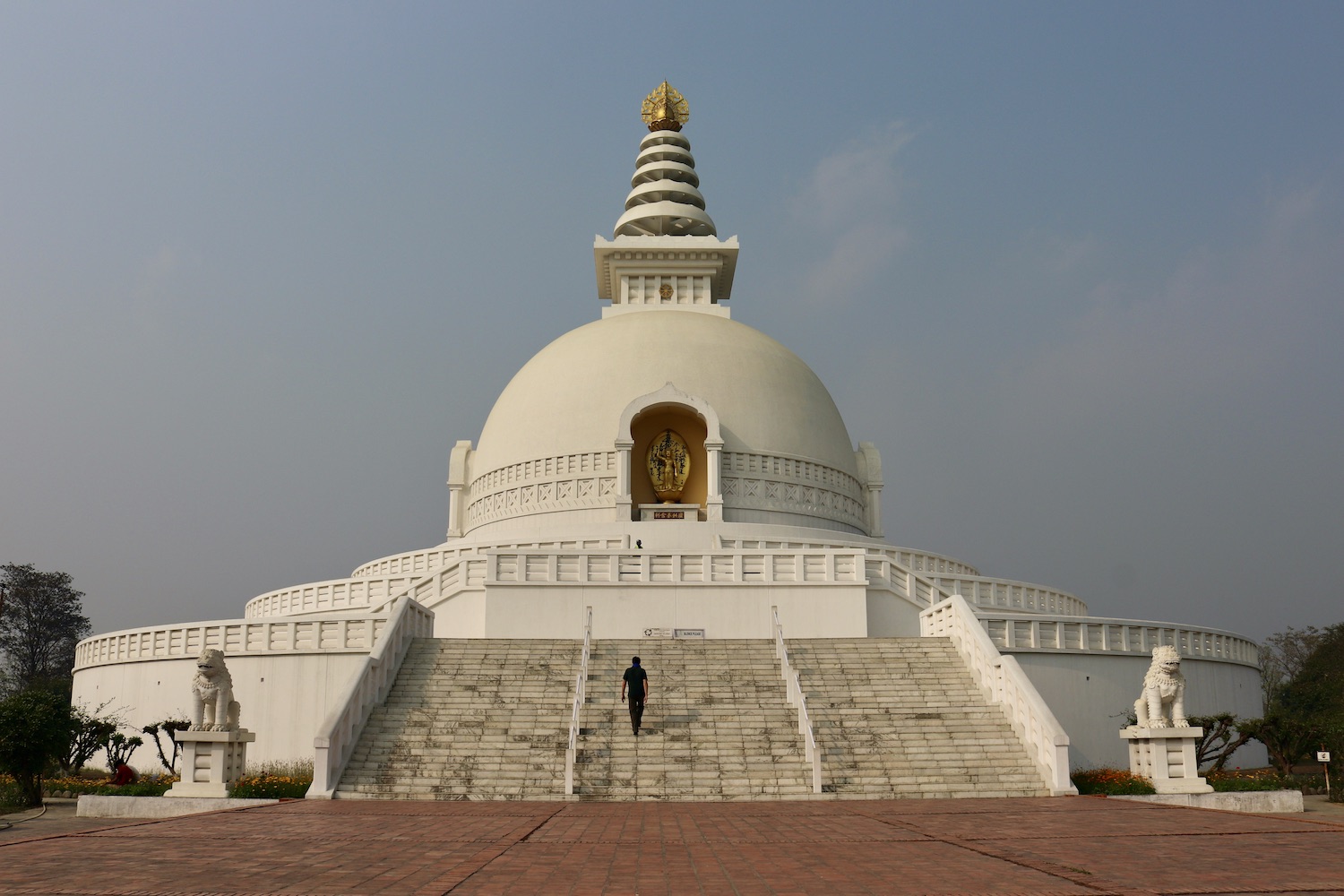
We stayed at the Lumbini Buddha Garden hotel, which also has a decent restaurant. It was decidedly over expectation, but then again, expectations were low. Lumbini is an engaging place to stop to break up a trip, but I wouldn’t recommend it as a destination in its own right unless you have a particular interest in Buddhism.
Day 7-9: Chitwan National Park
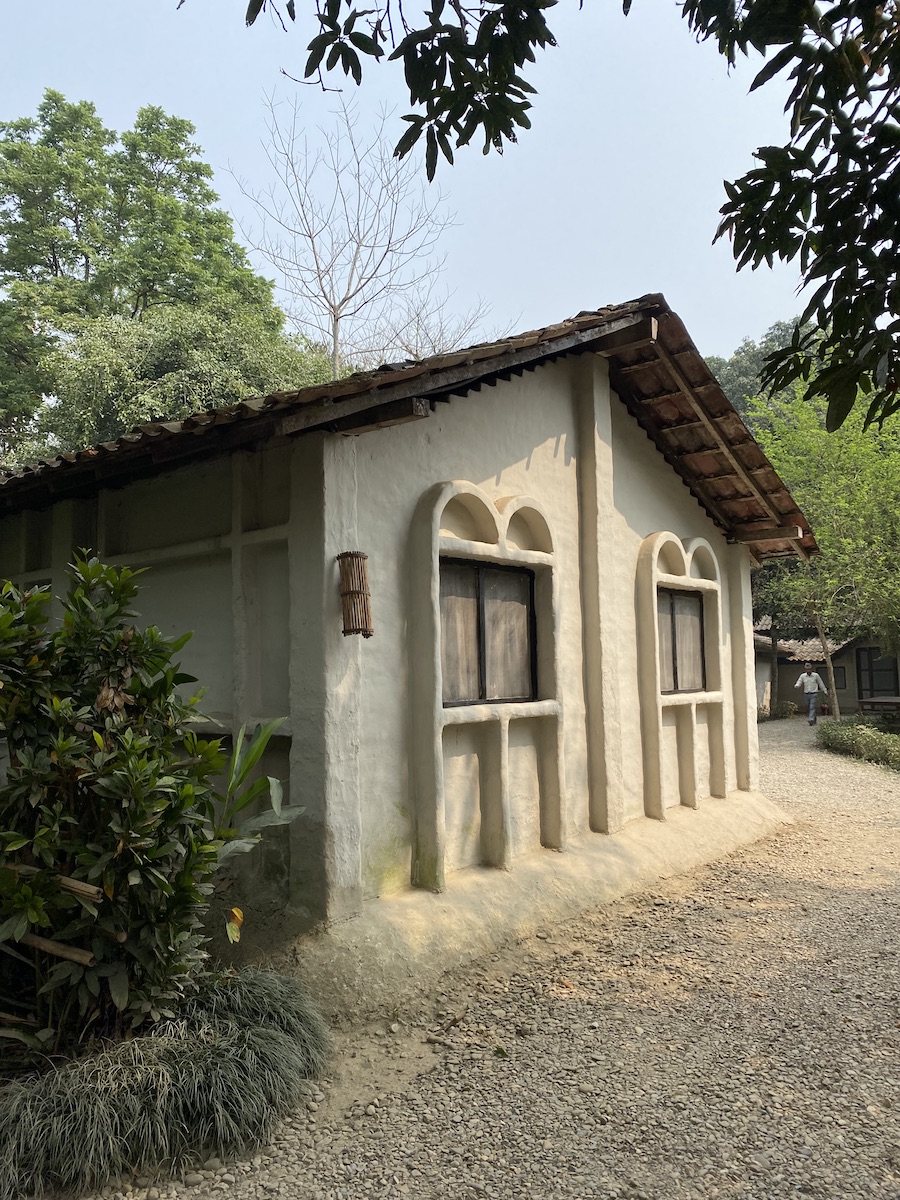
Drive or fly to Barathpur and from there to Chitwan National Park. Nepal’s first national park, Chitwan has the largest population of rhinos and the highest density of sloth bears in the country. Tourism here is more developed than in Bardiya, but there are still few higher end options. Here too, Tiger Tops has by far the nicest lodge, Tiger Tops Tharu Lodge. Consisting of several buildings made using traditional Tharu techniques, the place itself is lovely, but the location is unfortunately nothing special, other than quite close to the park (although there is a nice pool).

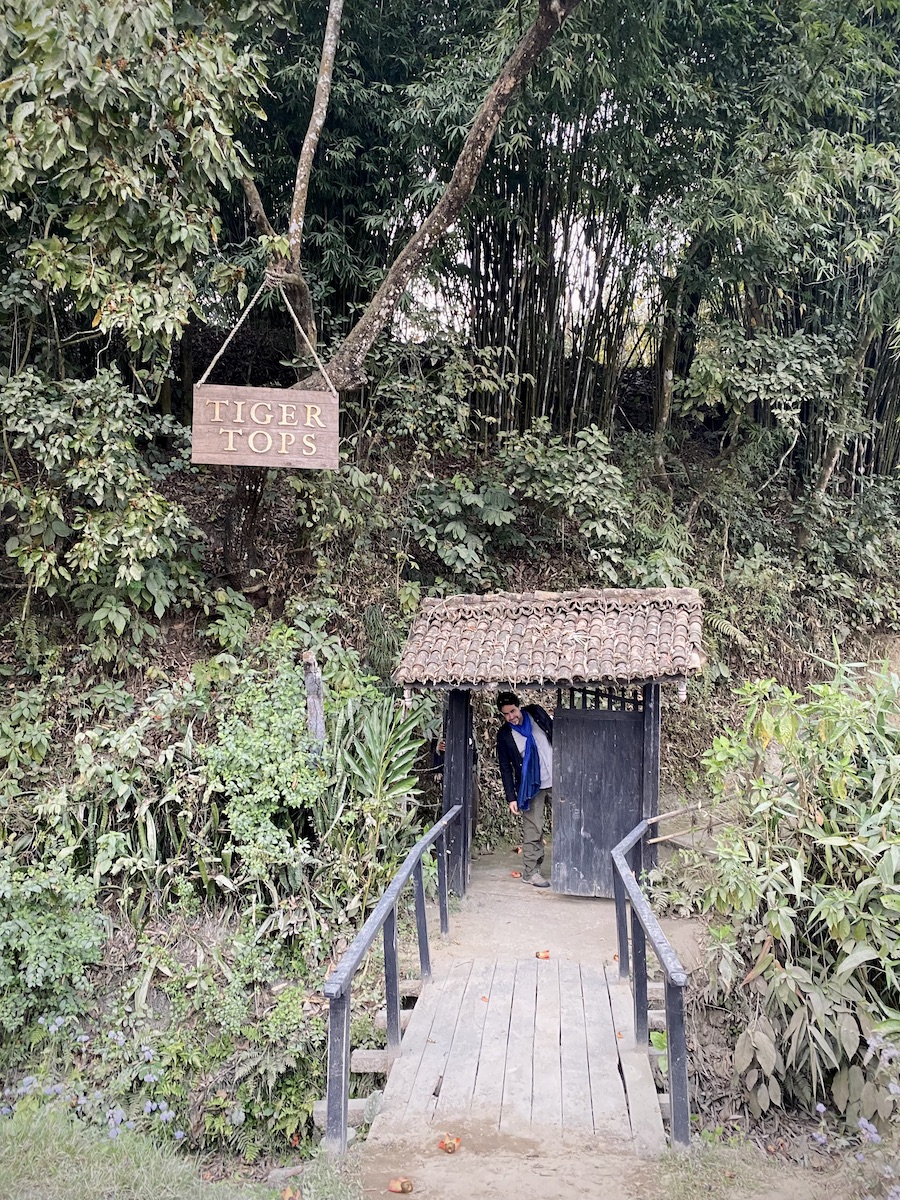
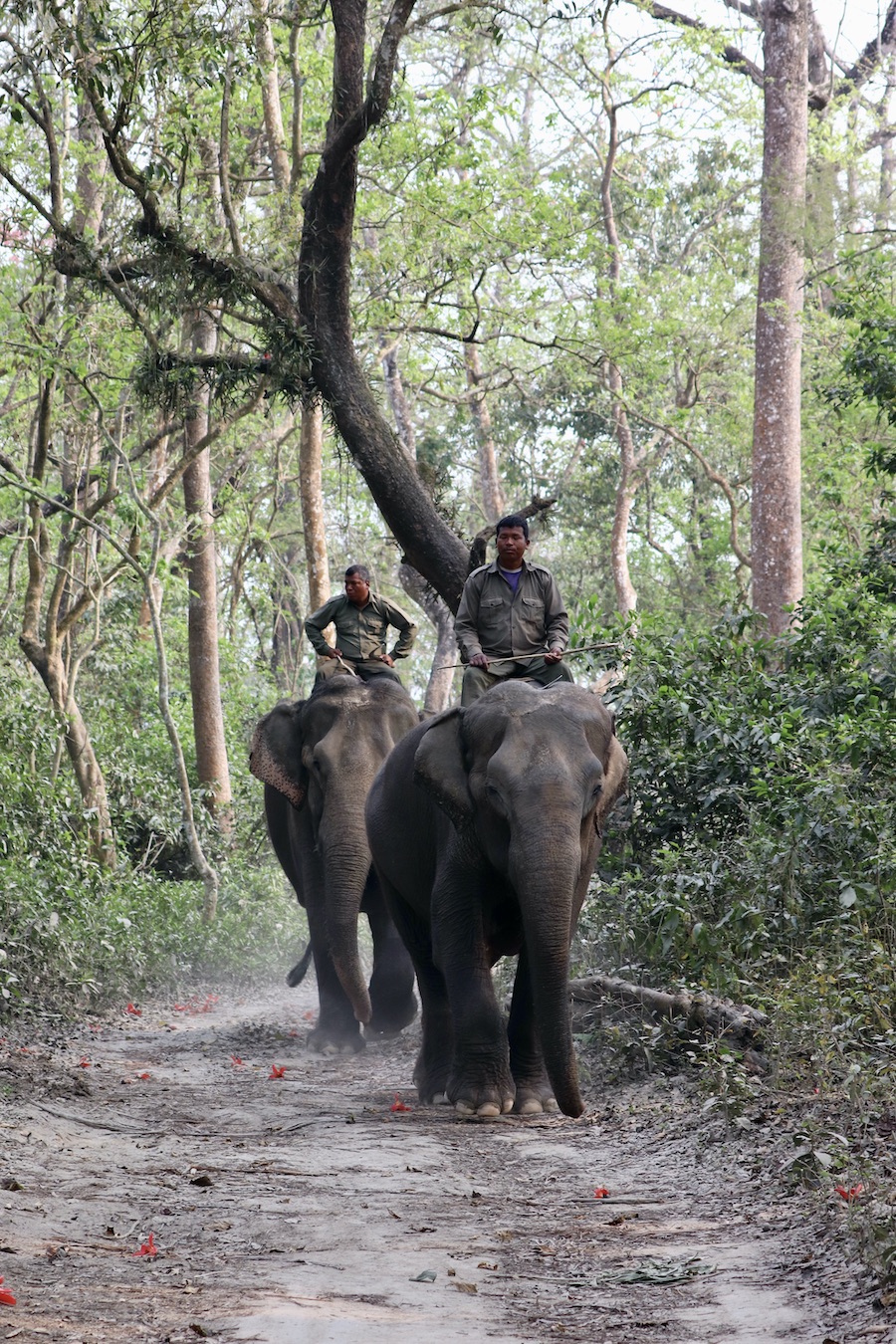
Tiger Tops has its own herd of elephants and is supposed to be the best place for responsible interactions with domesticated elephants. They don’t let tourists ride them but you can go for a walk with them (sometimes crossing wildlife like rhino) or help prepare their food in the morning. Other lodges and the Nepali army do not always treat their elephants that well, we sadly encountered several in the park that had their legs chained together. However, there is no straightforward solution, as keeping and feeding existing herds is expensive and elephants live a long time, plus they do play an important role in ranger work. Tiger Tops tries to lead by example, and so should you: never ride an elephant!
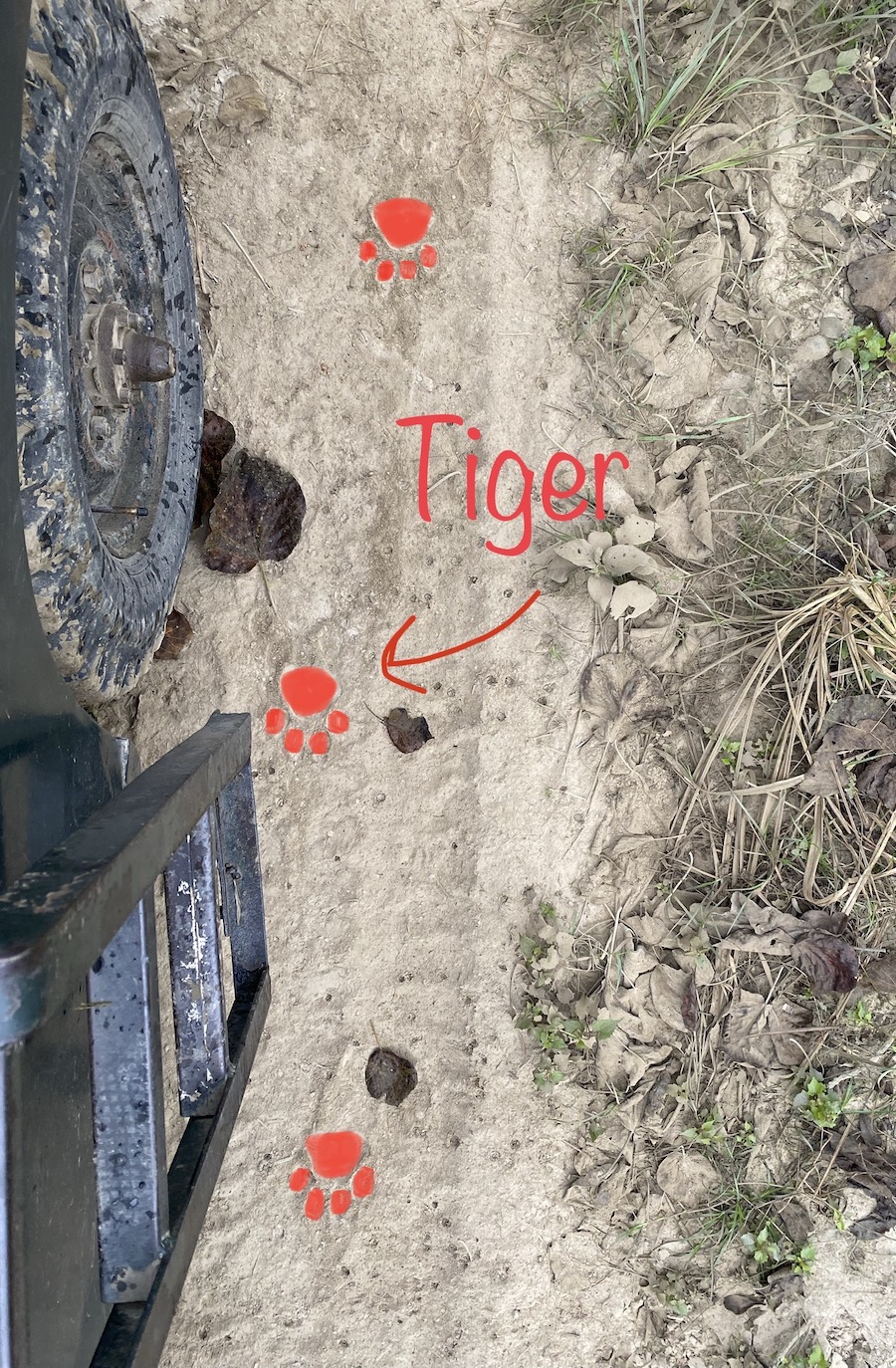

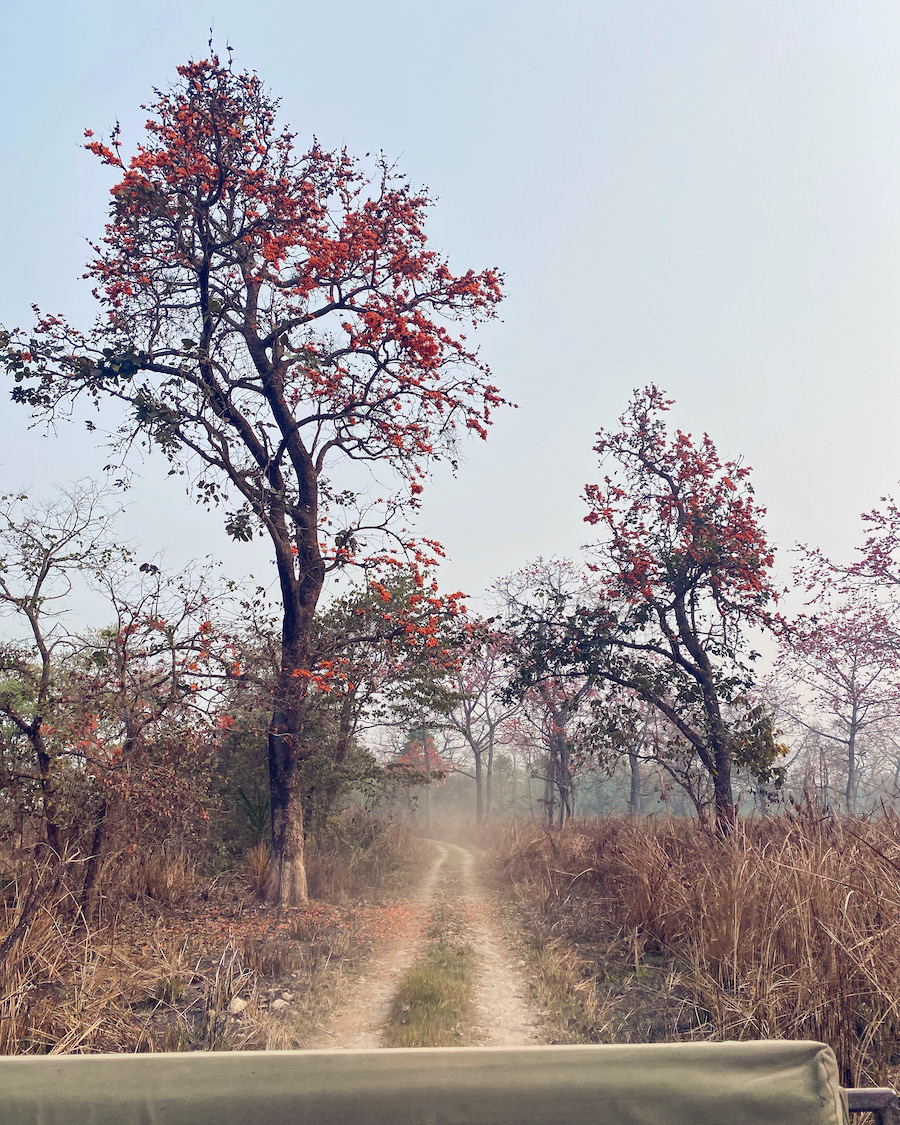

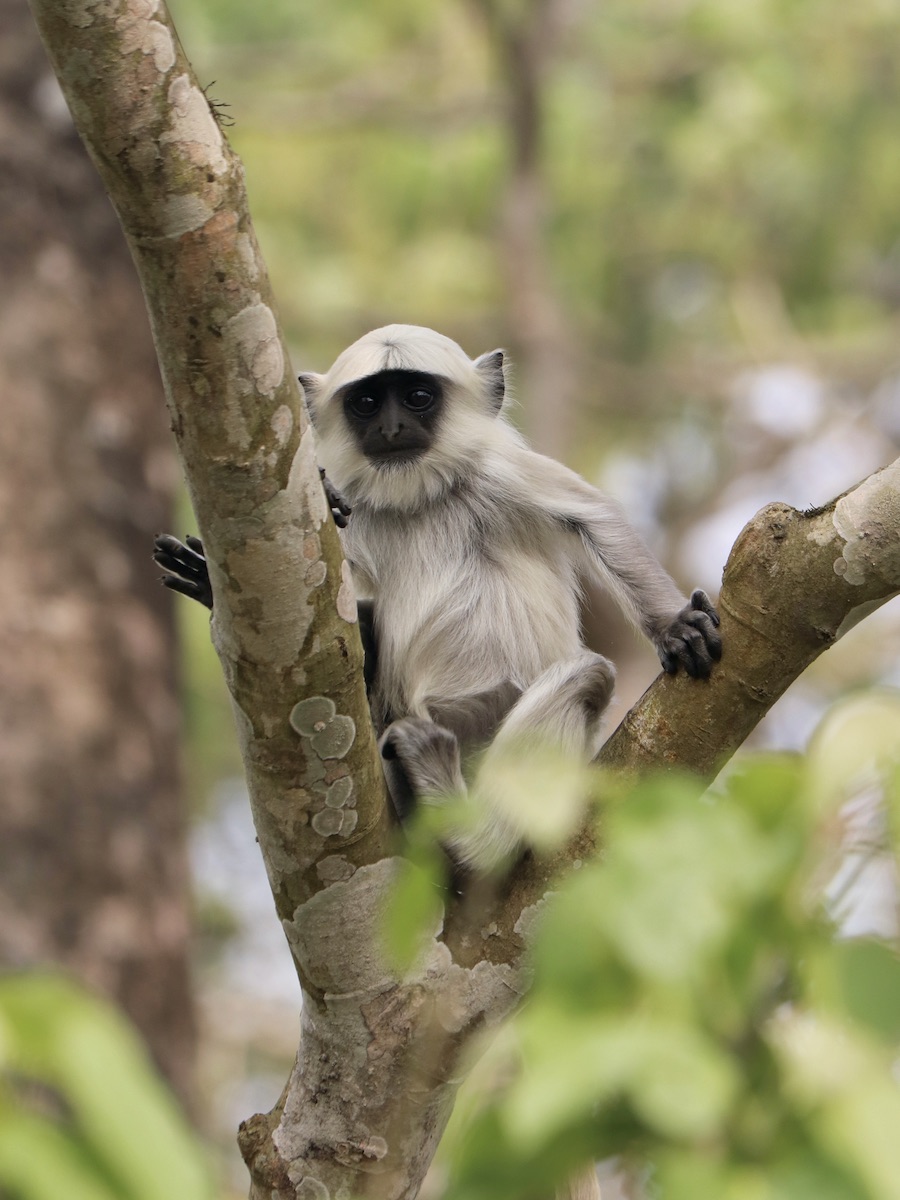
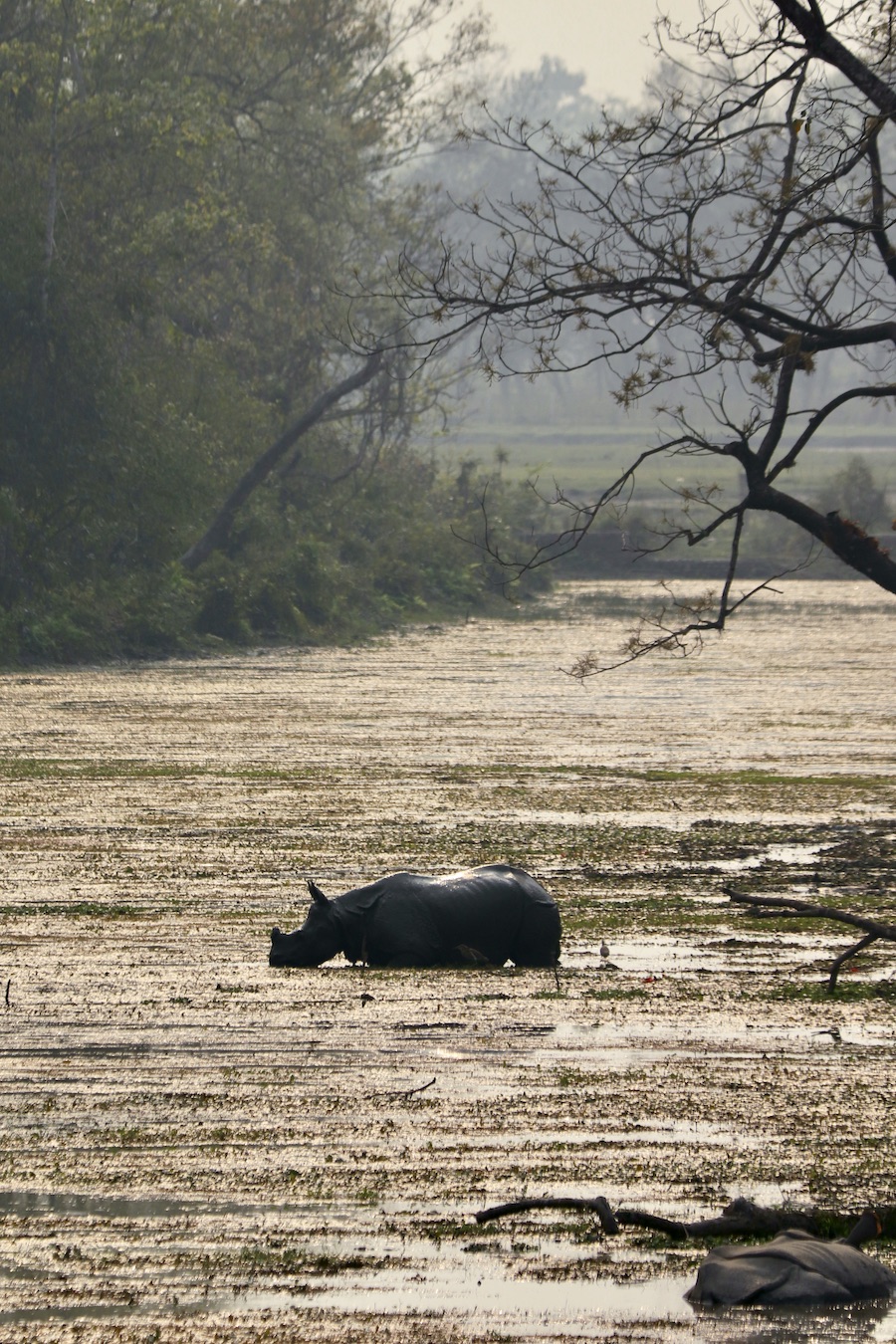
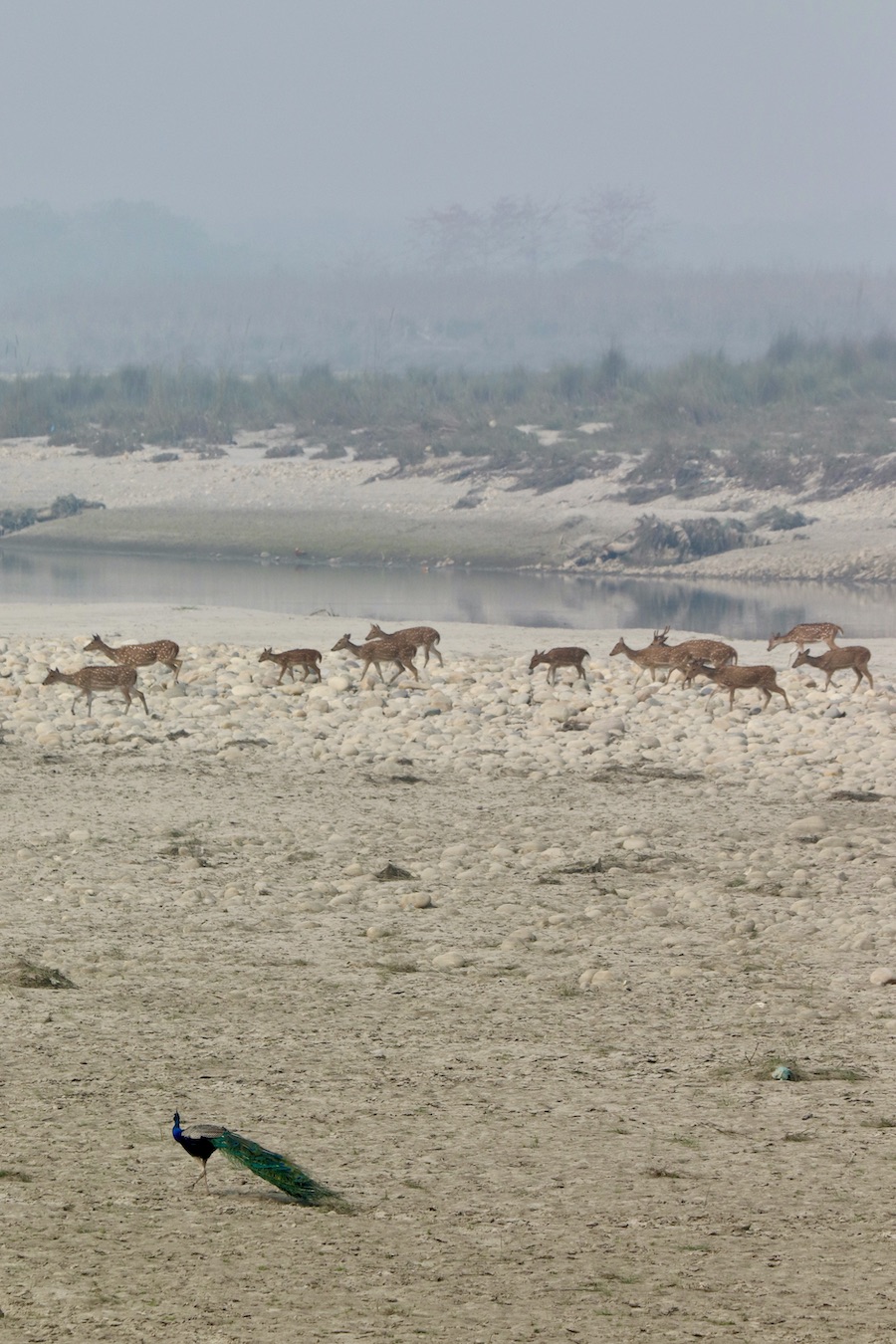
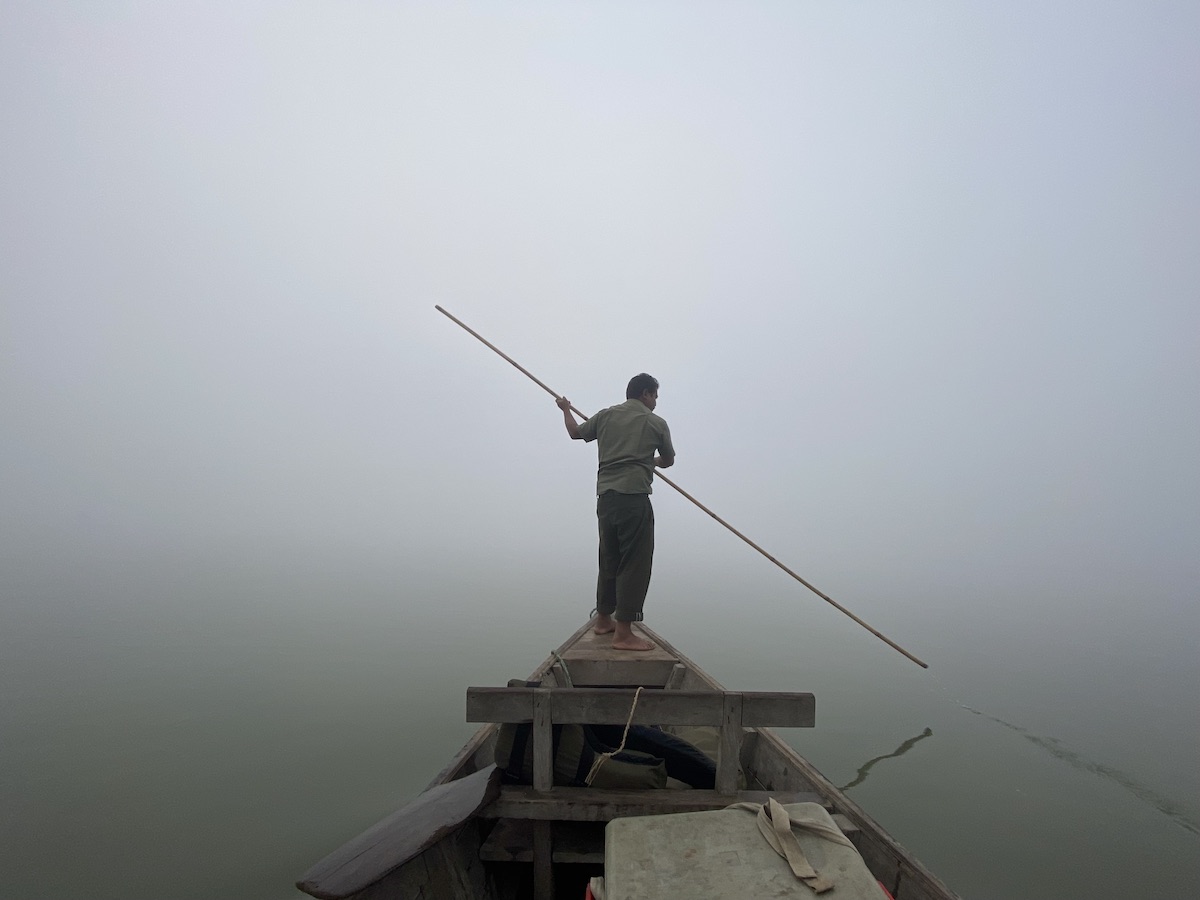
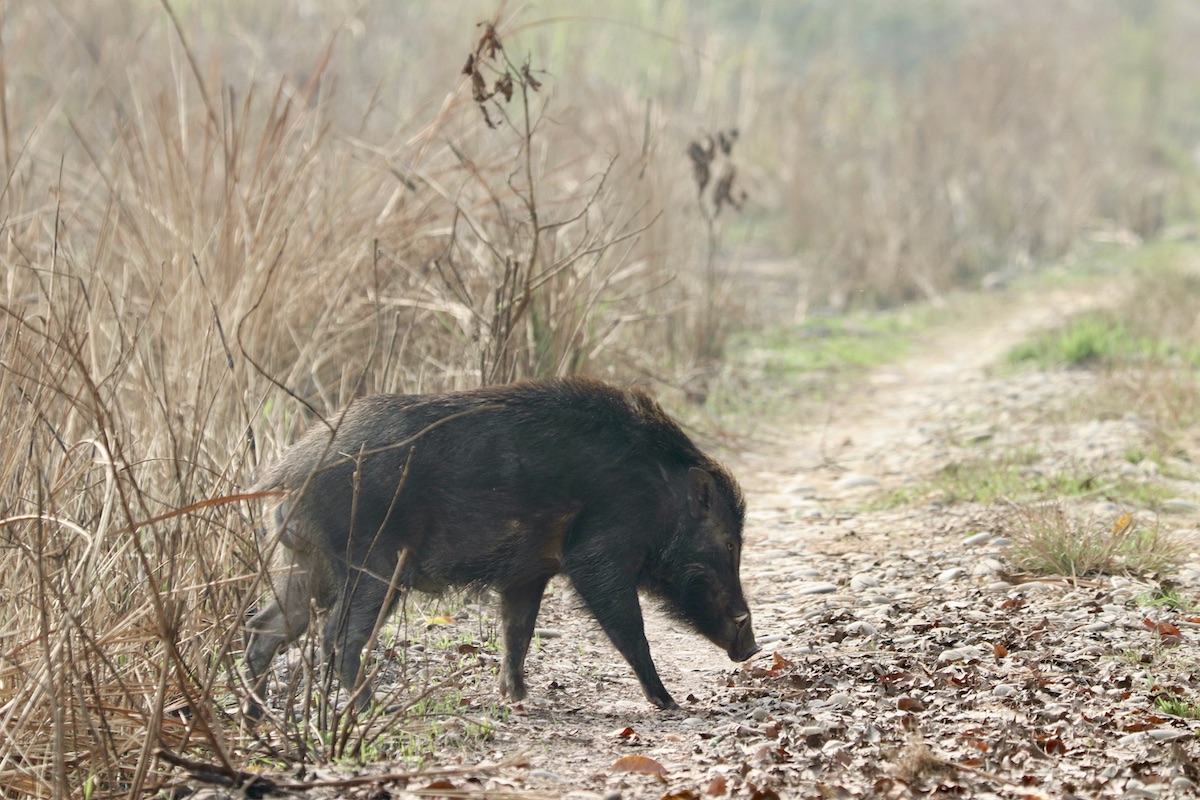
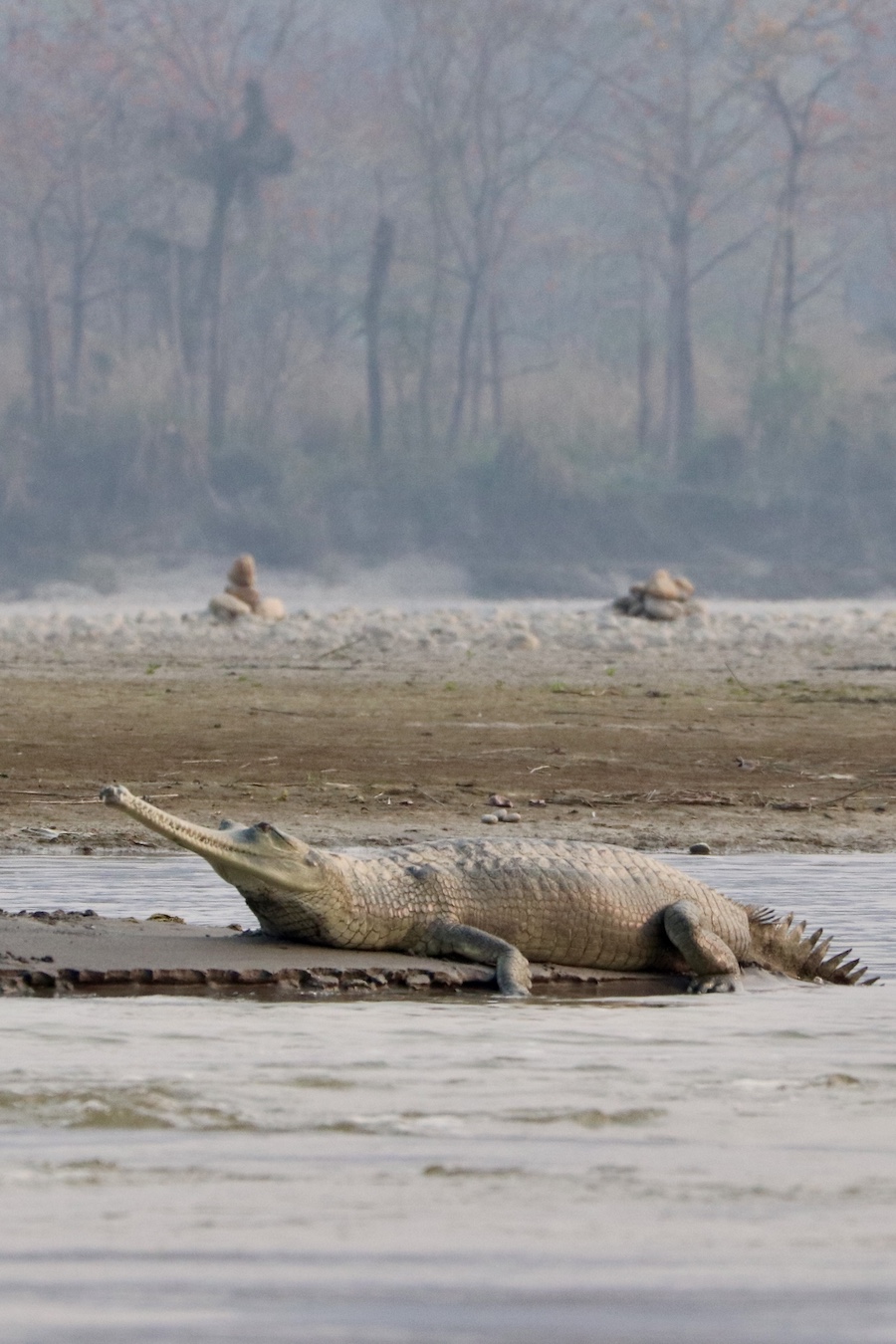
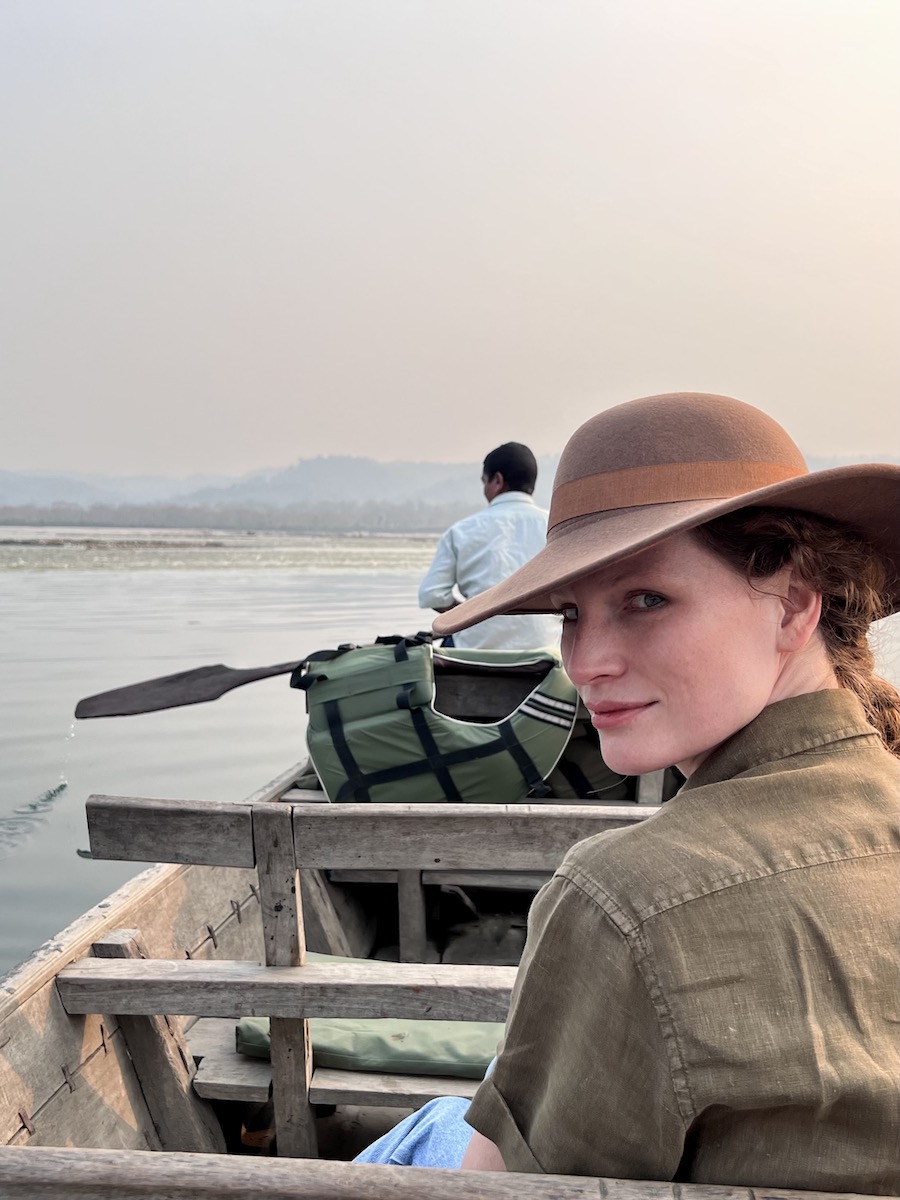
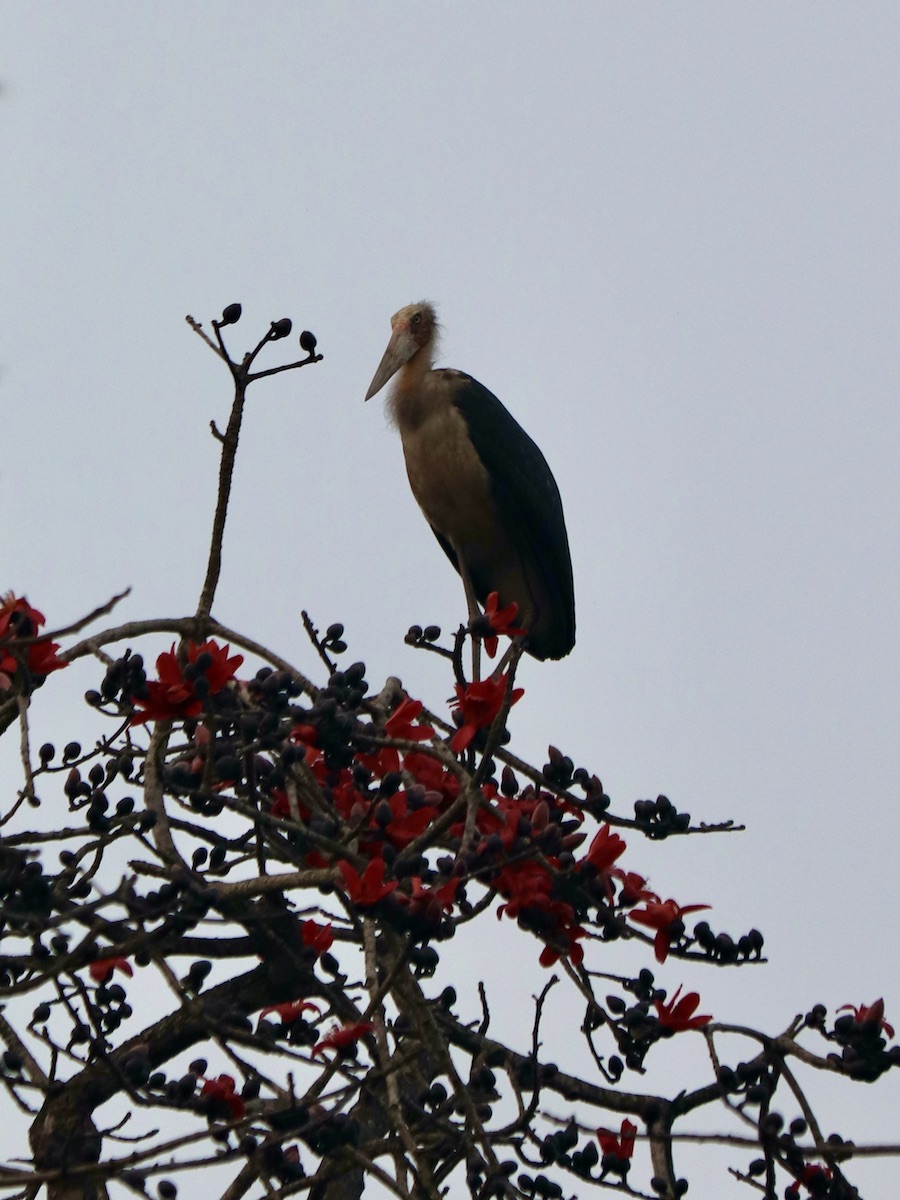
There are good and varied game drives in Chitwan National Park and in the buffer zone, and as Tiger Tops is situated far from most other lodges near the western side of the park you will mostly be alone. You’ll surely see rhinos, langur monkeys and up to four kinds of deer and there are reasonable chances of spotting tigers and sloth bears, among other fauna. We saw the fresh tracks of several but sadly didn’t find them. You might read you need to be on an elephant to get close to rhinos, but I can tell from experience that you really don’t. They couldn’t care less about the noise of cars, and we managed to see them extremely well. Another great activity is going on a boat safari to spot gharial. A type of fish-eating crocodile of which there are only several hundred left, we were amazed at how many of them we managed to see!


Day 10: back to Kathmandu
Time to leave the wild behind and head back to Kathmandu. You can do some last minute souvenir shopping and have a bite at Baber Mahal Revisited, an upscale collection of shops and restaurants in a restored palace not too far from the airport.
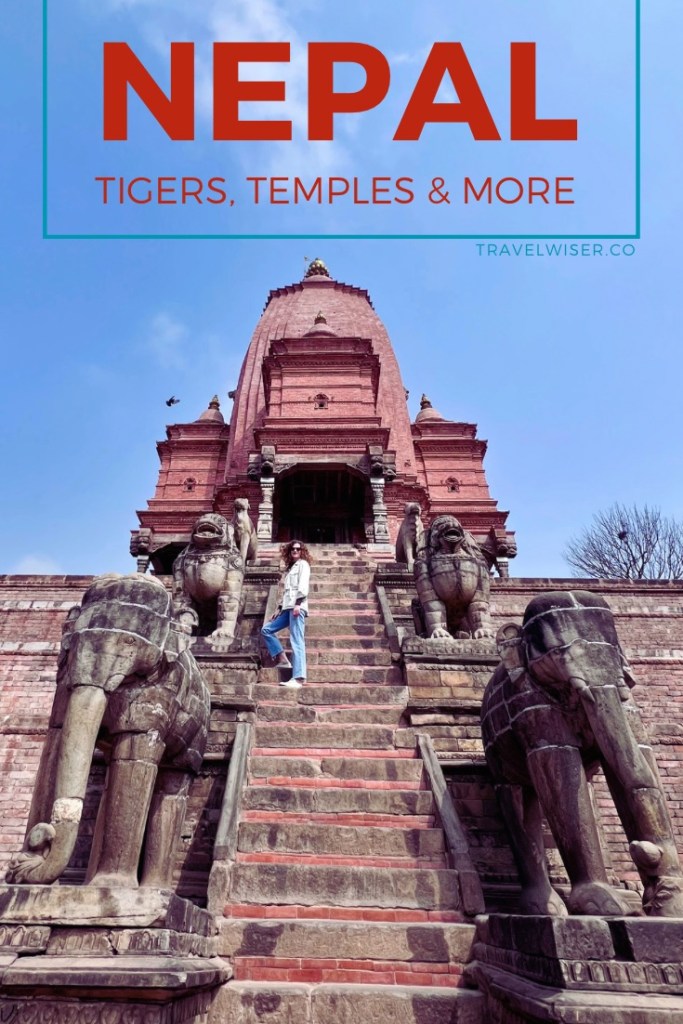
Have I managed to make you put a Nepal trip on your bucket list? Pin it for later! ->

 Travel Wiser
Leave a reply to kulroka Cancel reply