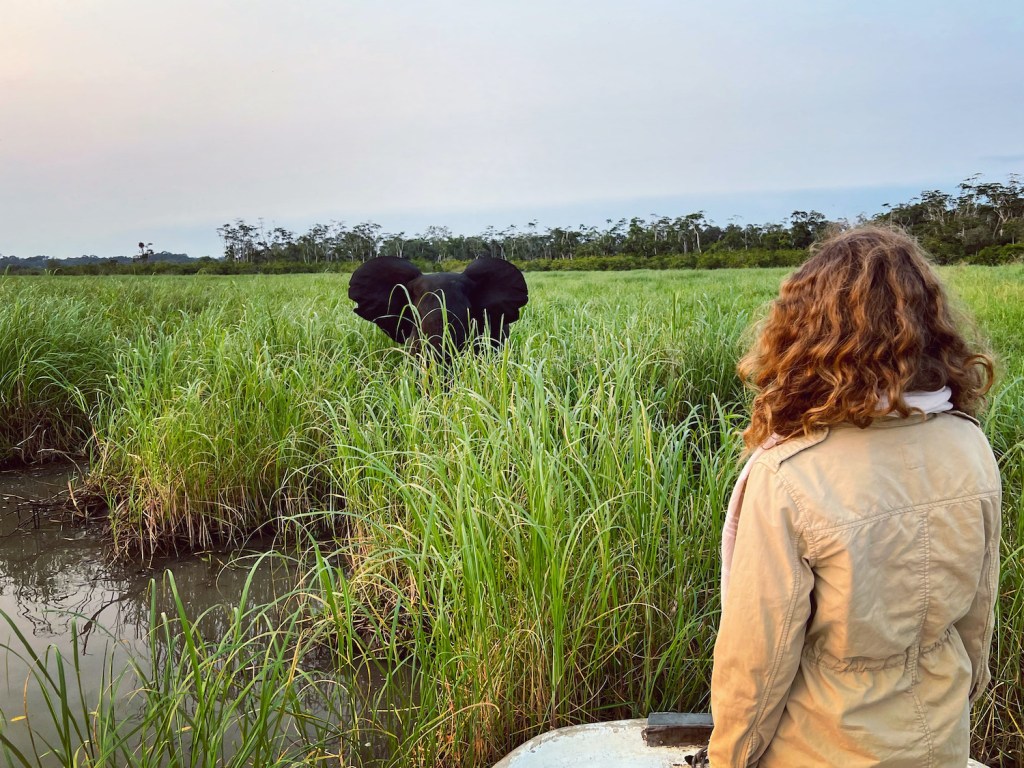
Jungle-clad Gabon is a destination for serious nature lovers and seasoned safari-goers. Part of the biodiverse Congo Basin on the west coast of central Africa, Gabon is home to mandrills, gorillas, chimpanzees, and forest elephants in important numbers. Wild and still mostly unspoiled, tourism is only just developing, so you’re in for an adventure!
When to go to Gabon?
The best time to go to Gabon is during the dry months of June to August, when mandrills congregate in Lopé National Park for the mating season and are at their most colorful. The coast, and more specifically Loango National Park, can be visited all year round, with activities and wildlife encounters varying with the seasons. Do keep in mind that during the rainy seasons (February to April and October to December) roads can become impassible.
How to travel around Gabon?
Tourism is a small-scale affair in Gabon, and with about 80% of the country covered in rainforest it is definitely not easy to get around and practically impossible to travel independently. 4x4s are necessary to get anywhere. English is barely spoken, knowing some French (the country’s official language) is a definite plus. Even to get your tourist visa you will probably need the help of a local agency. We found a local travel agent, Donna Honey of See Wild Travels, who besides one misadventure did a great job of organising all our transport and activities.
3 days in Lopé National Park
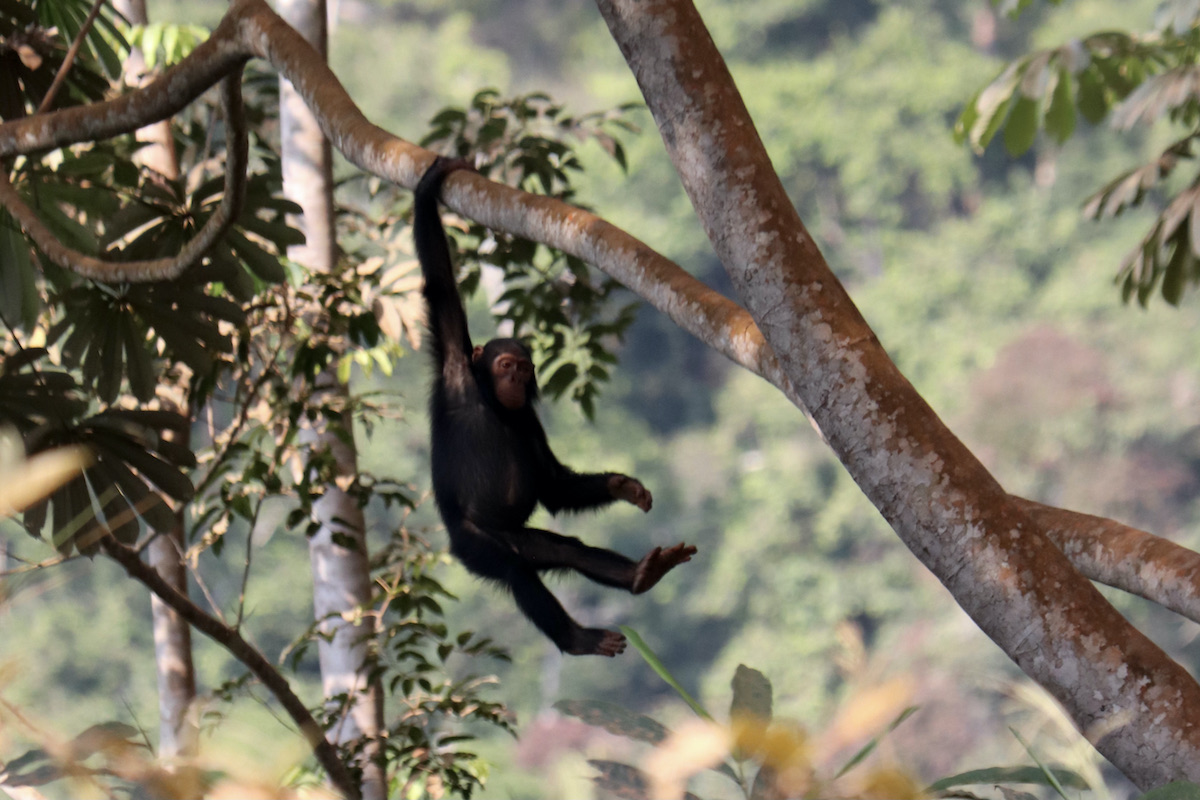
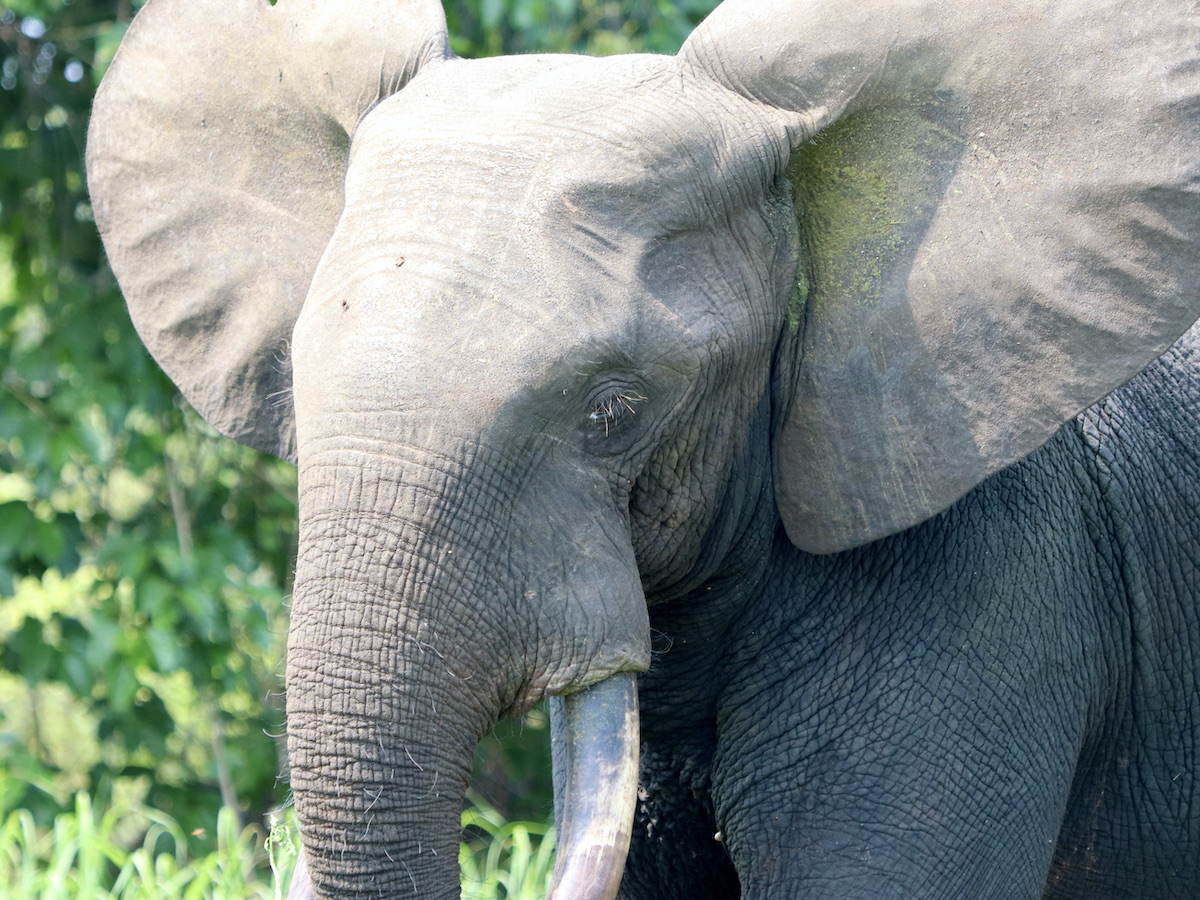
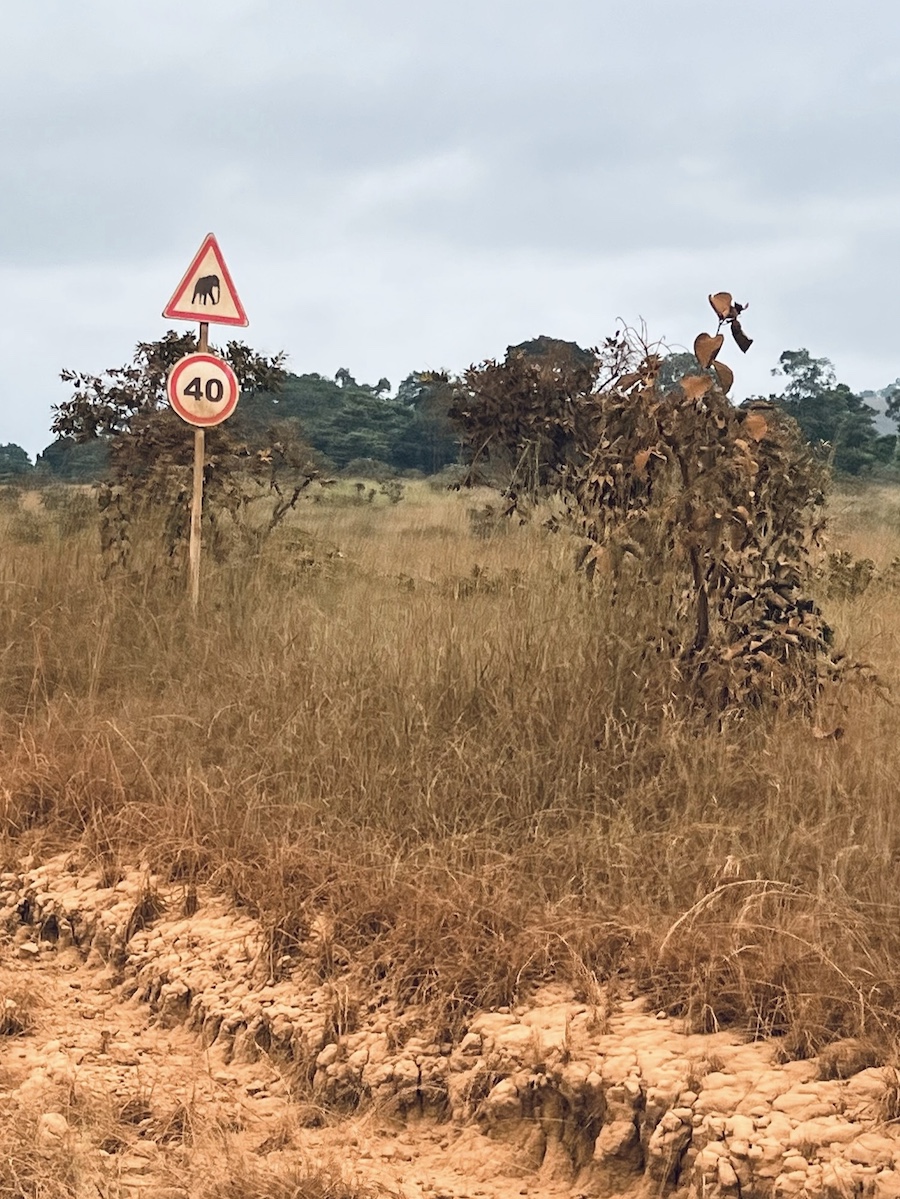
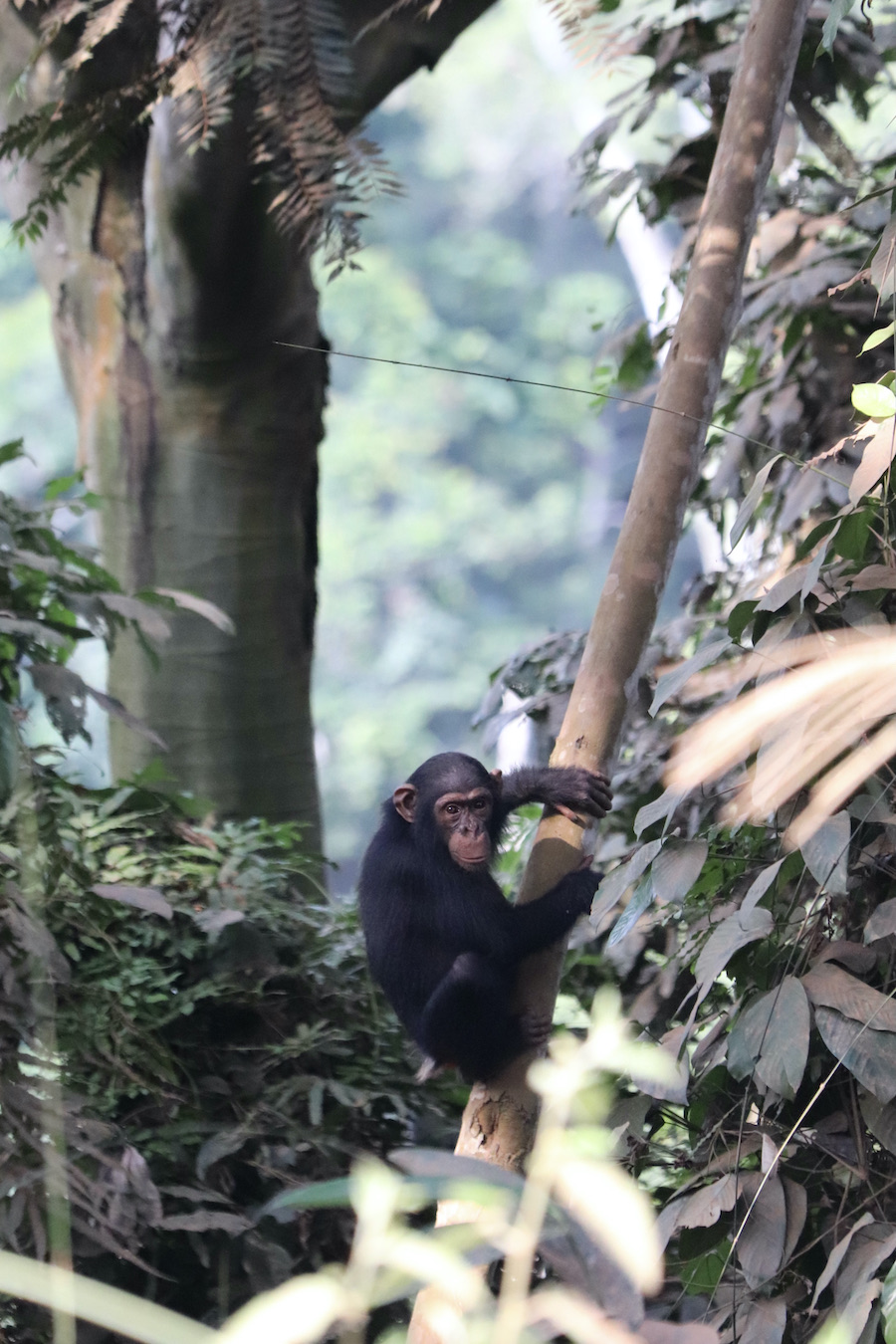
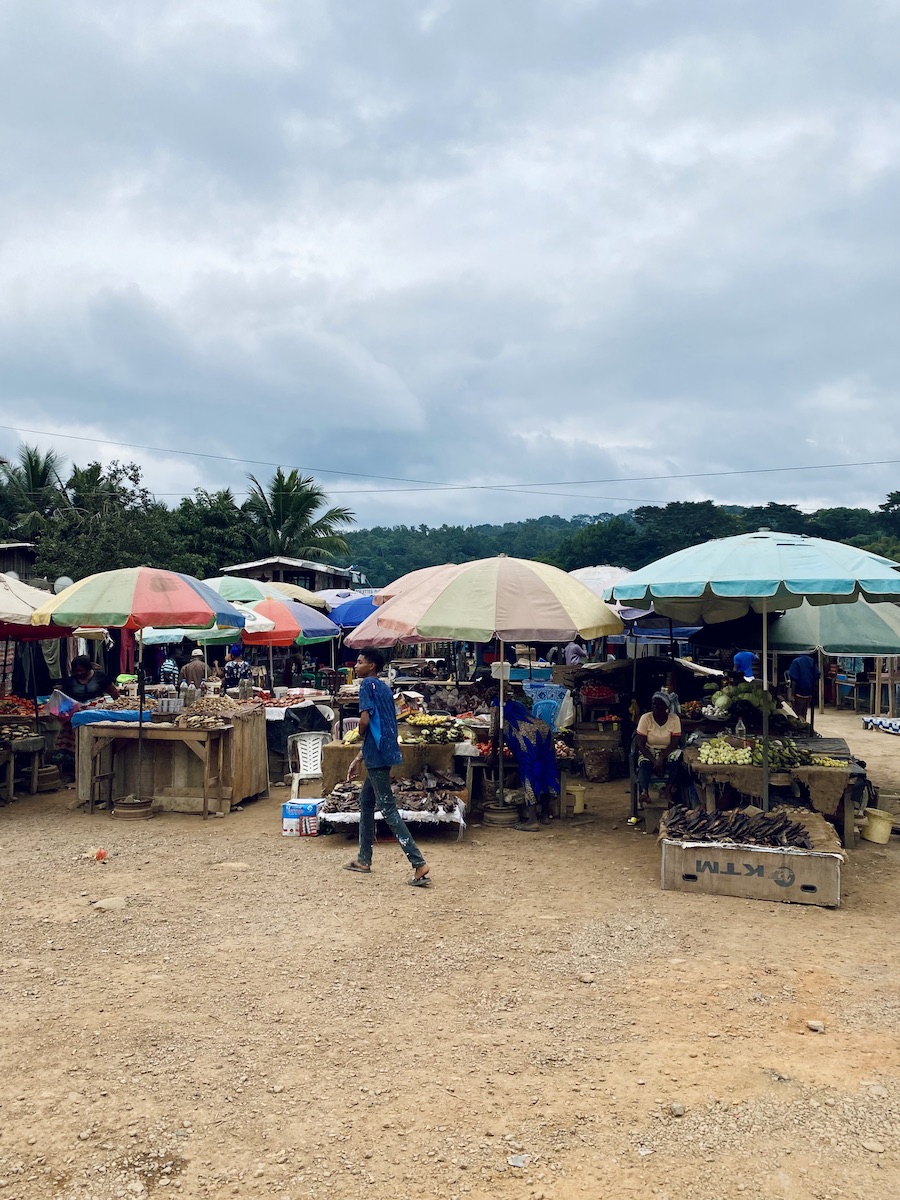
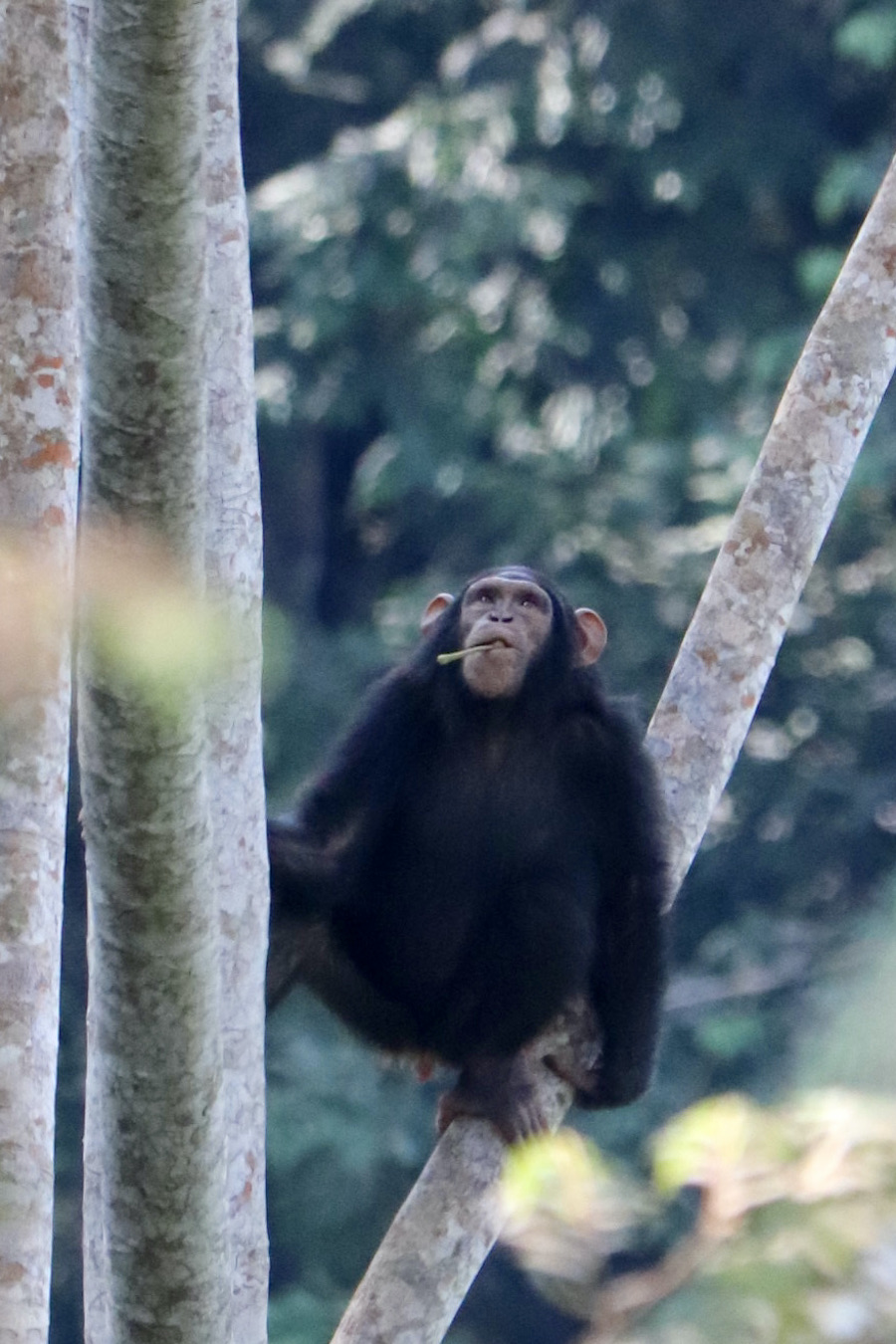
The rolling hills of Lopé National Park are a patchwork of forest and savannah, a very ancient landscape populated by forest elephant, forest buffalo, leopards, primates and more. You can get to Lopé by night train, but unfortunately the service is very unreliable and only has seating carriages, no couchettes (plus a return that departs from Lopé at midnight, IF the train runs on time). We opted to go by 4×4 car, but besides being more expensive it’s a long and bumpy ride to get there (about 8-9 hours driving). There are no worthwhile stops along the way, although you could spot wildlife at any time. We were lucky enough to see a group of chimpanzees just by the side of the road, half an hour before entering Lopé National Park, which made us completely forget all the discomfort of the trip. Sadly, the first wildlife you’ll see will likely hang dead by the road, for sale. Still, it’s probably better to eat bushmeat in a country covered by forest than to eat steak in a country were the forest has all been replaced by agricultural land…
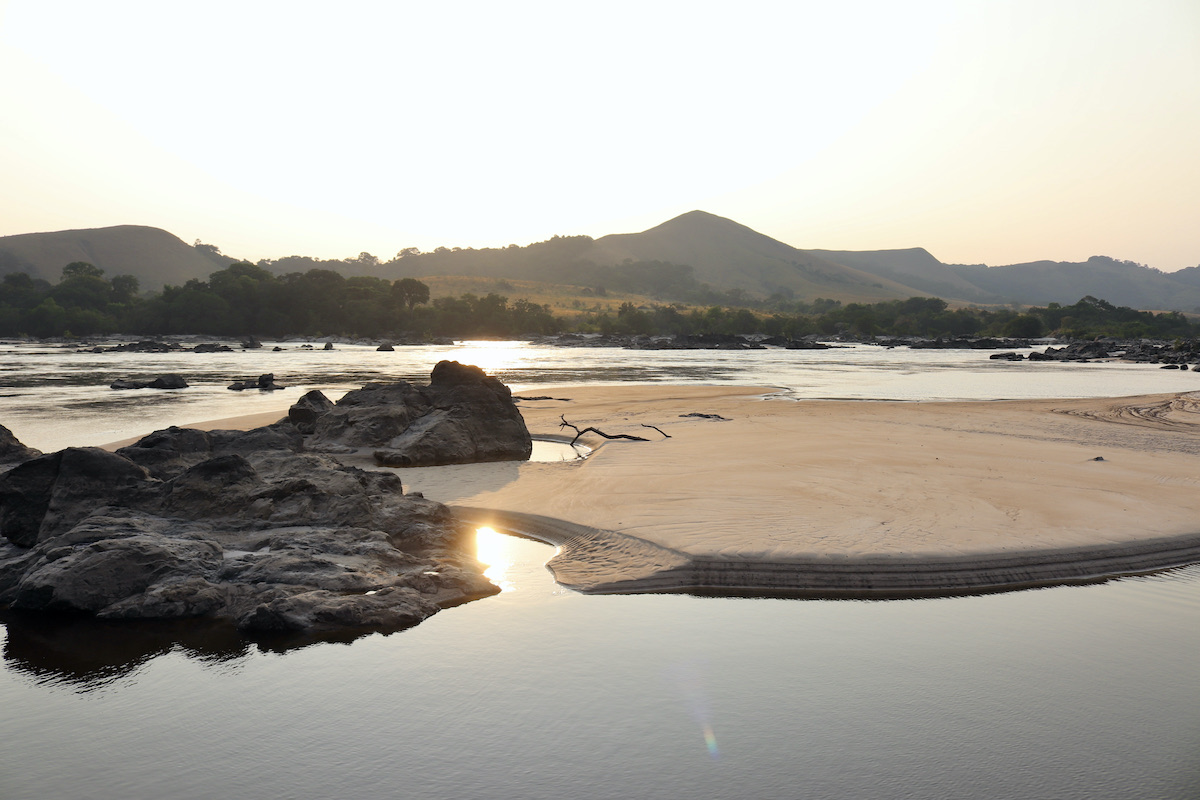
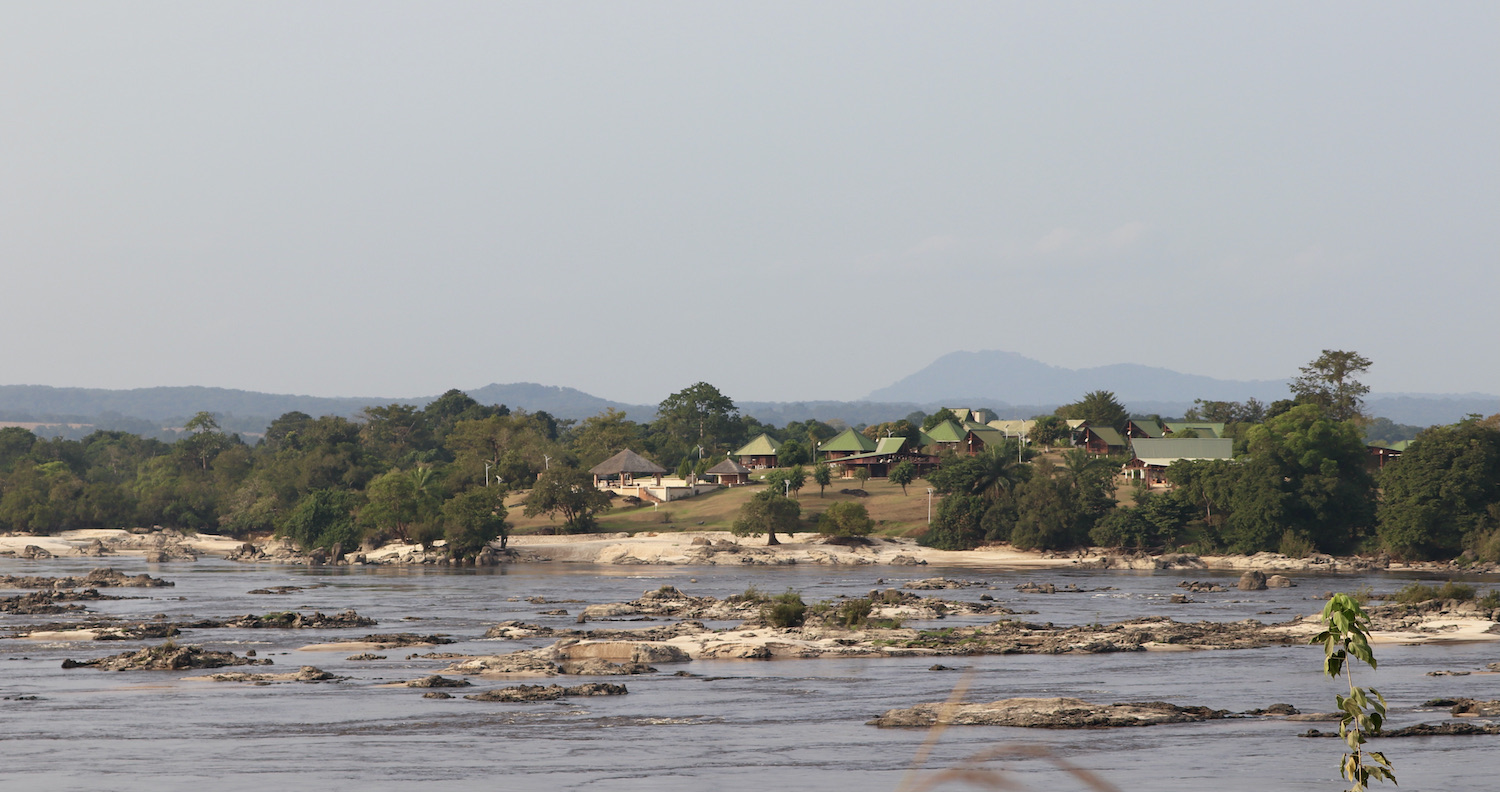
Stay at Lope Hotel, basically the only option (you might want to check if Moabi tented camp has opened). More a lodge than a hotel, rooms are in small bungalows scattered around the grounds. Common areas might lack a little in charm, but the setting on the bank of the Ogooué river is very scenic and the rooms are comfortable enough. Food is good, although breakfast is a bit of a sad affair.
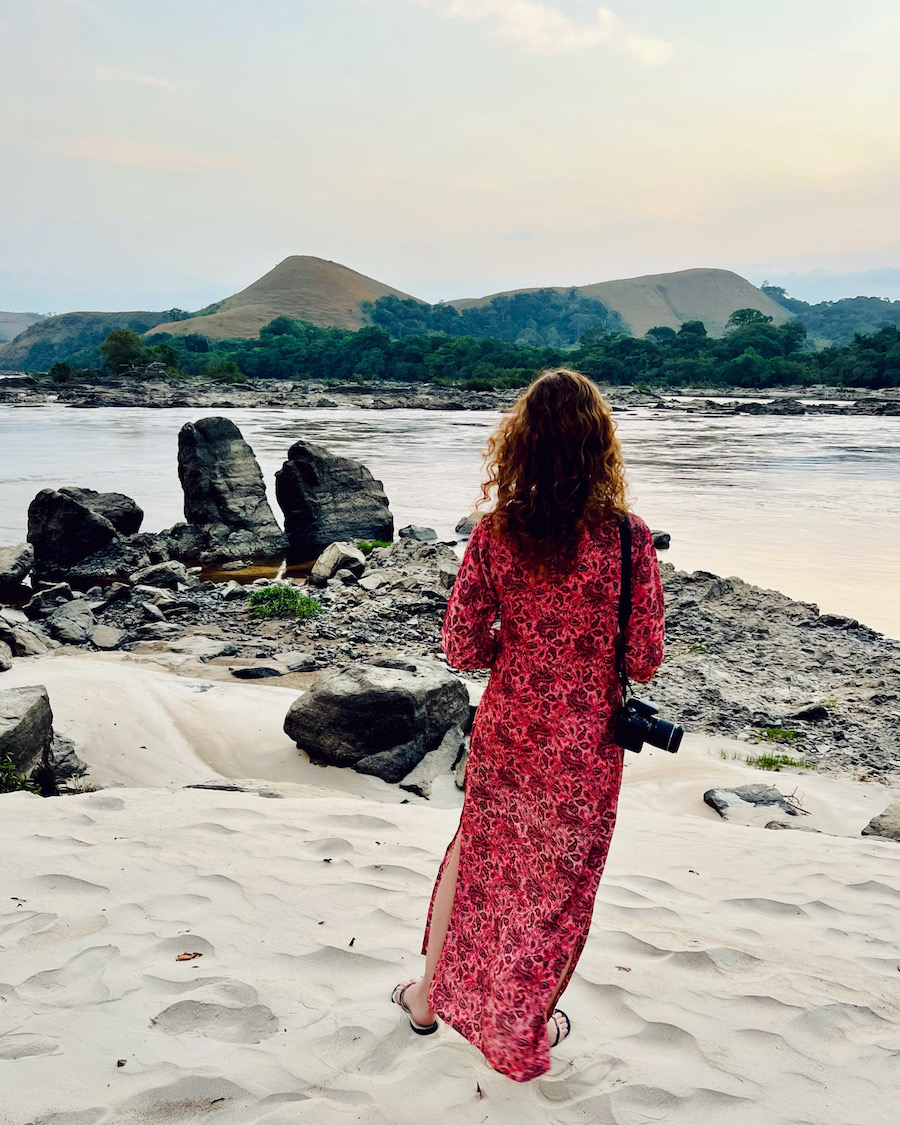
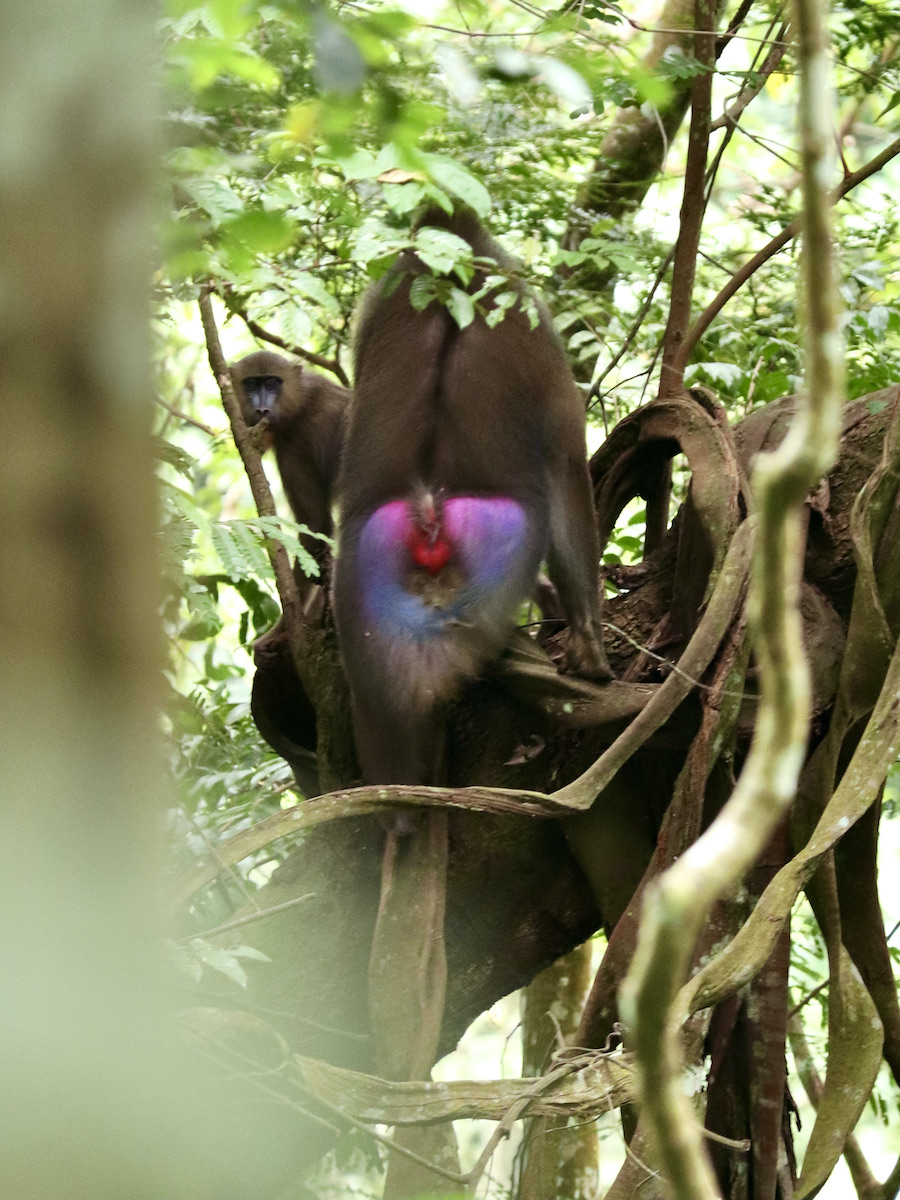
The reason to come all the way to Lopé is that it is THE place to see mandrills. Up to a thousand individuals gather here during the mating season, when their colors are at their brightest. Some have been radio-collared and they are being tracked and habituated for research. Which means you are more or less guaranteed to see them! If you’re lucky you’ll have David Lehmann, the biologist responsible for setting up the whole research and conservation program, as your guide. Be prepared to hike over possibly difficult terrain to approach them.
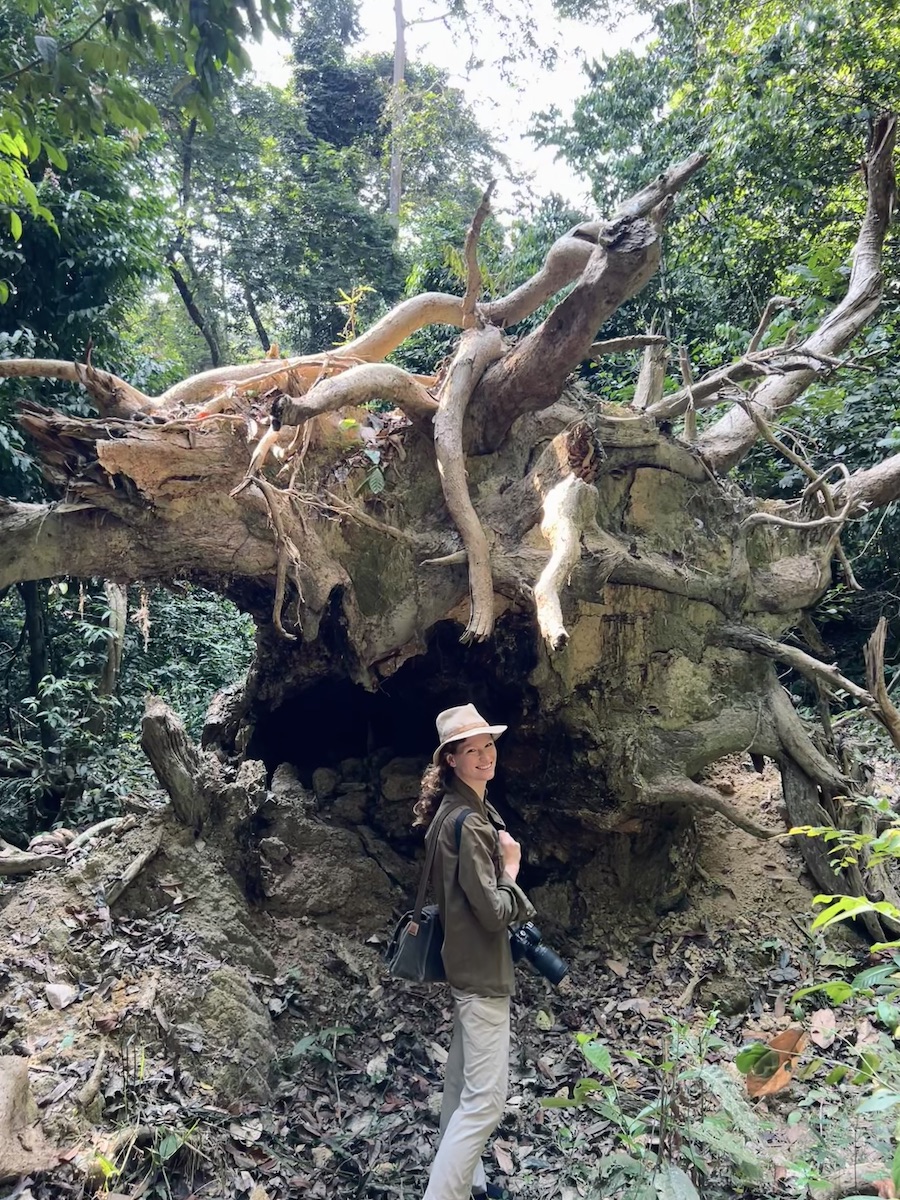
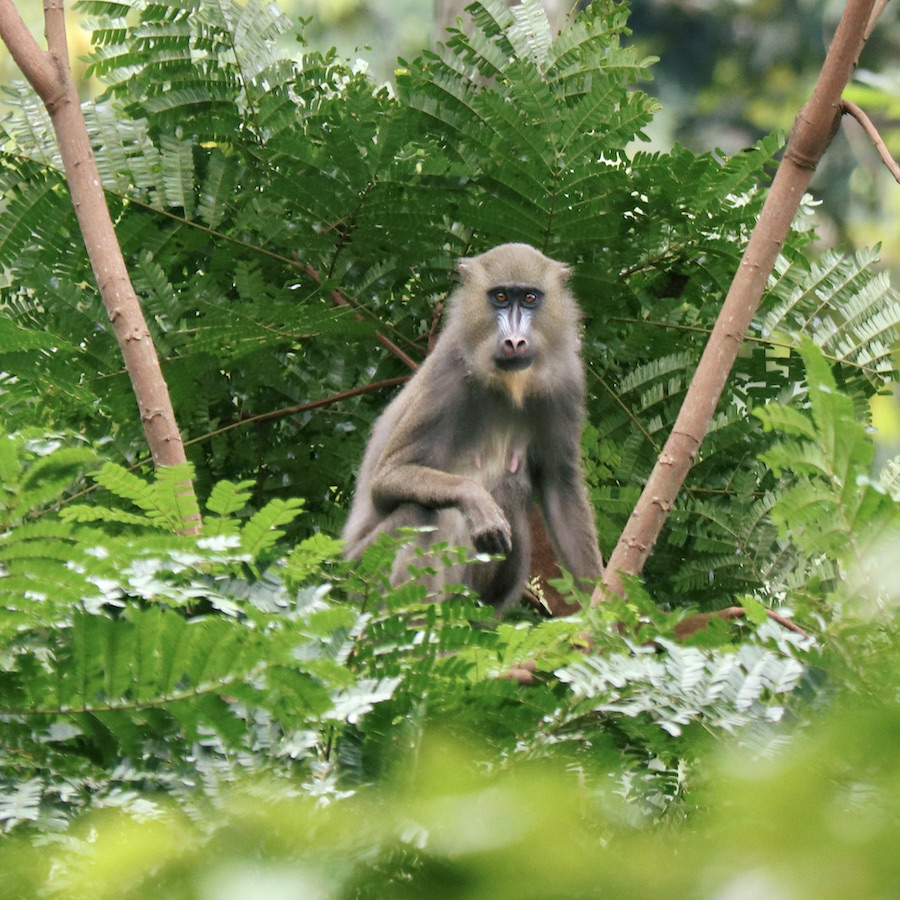
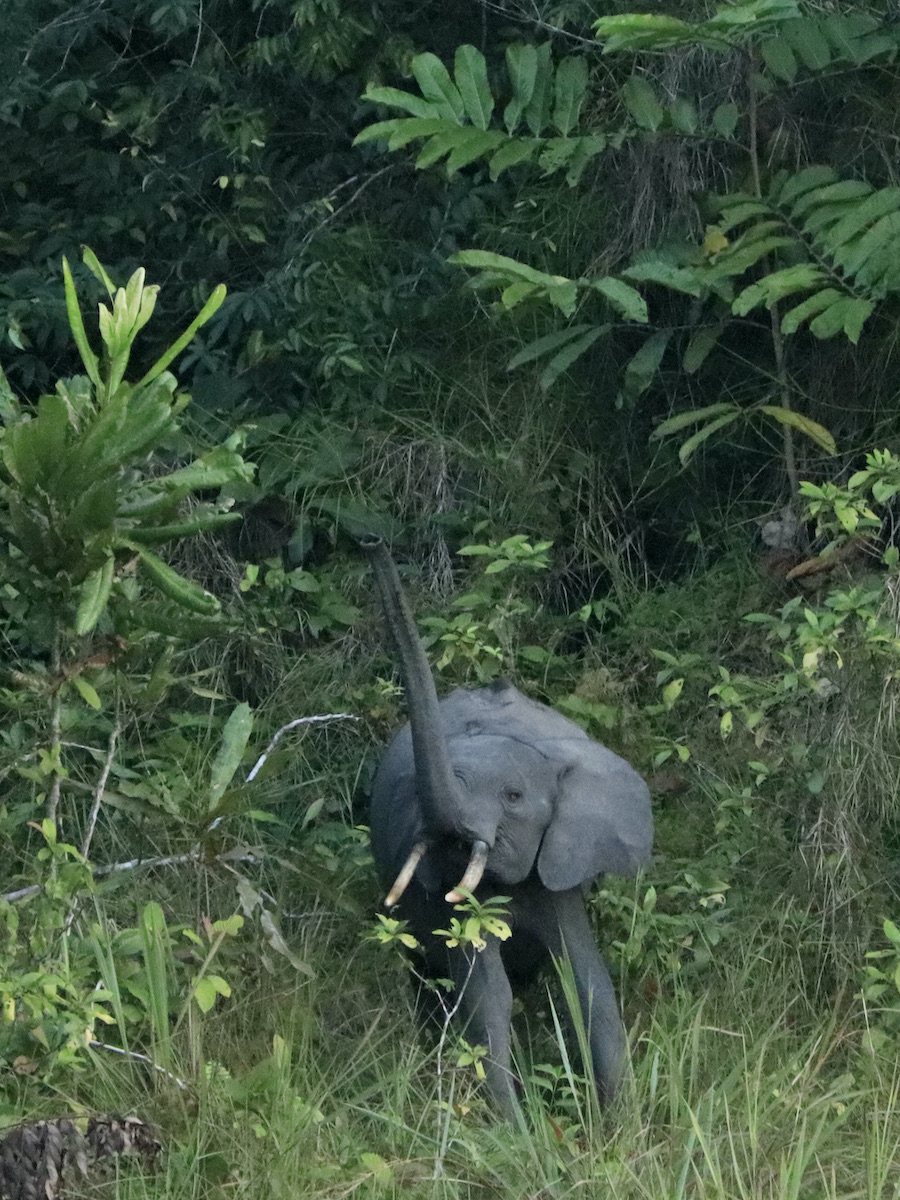
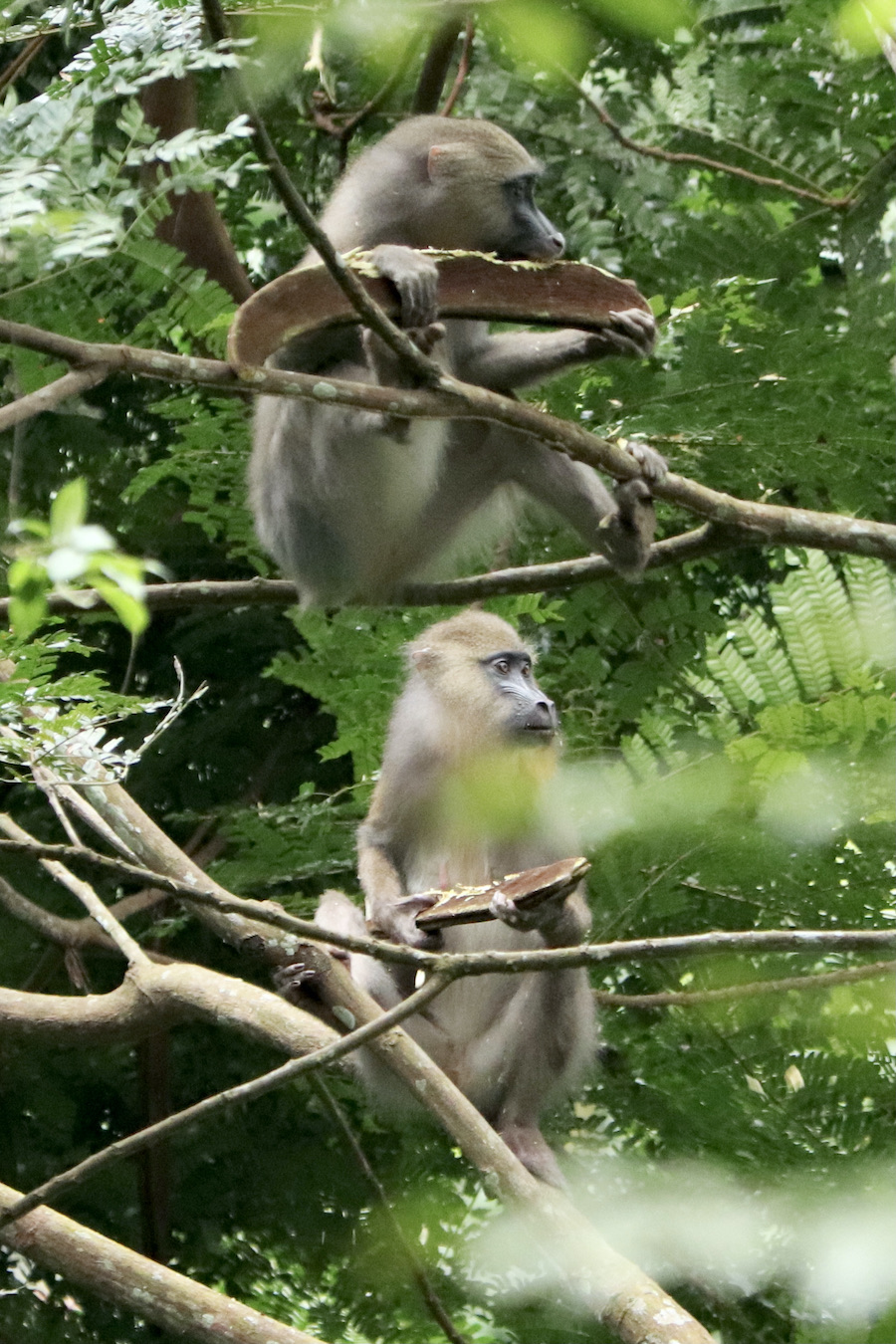
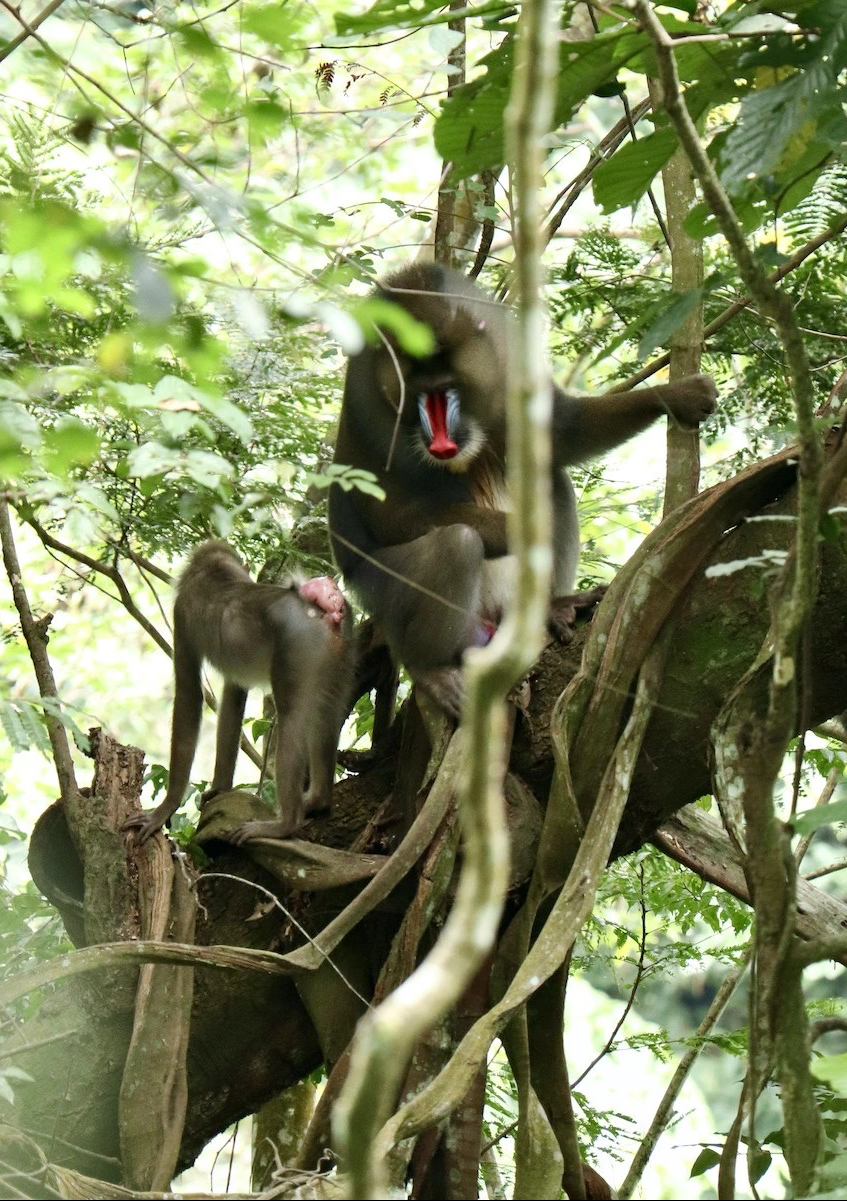
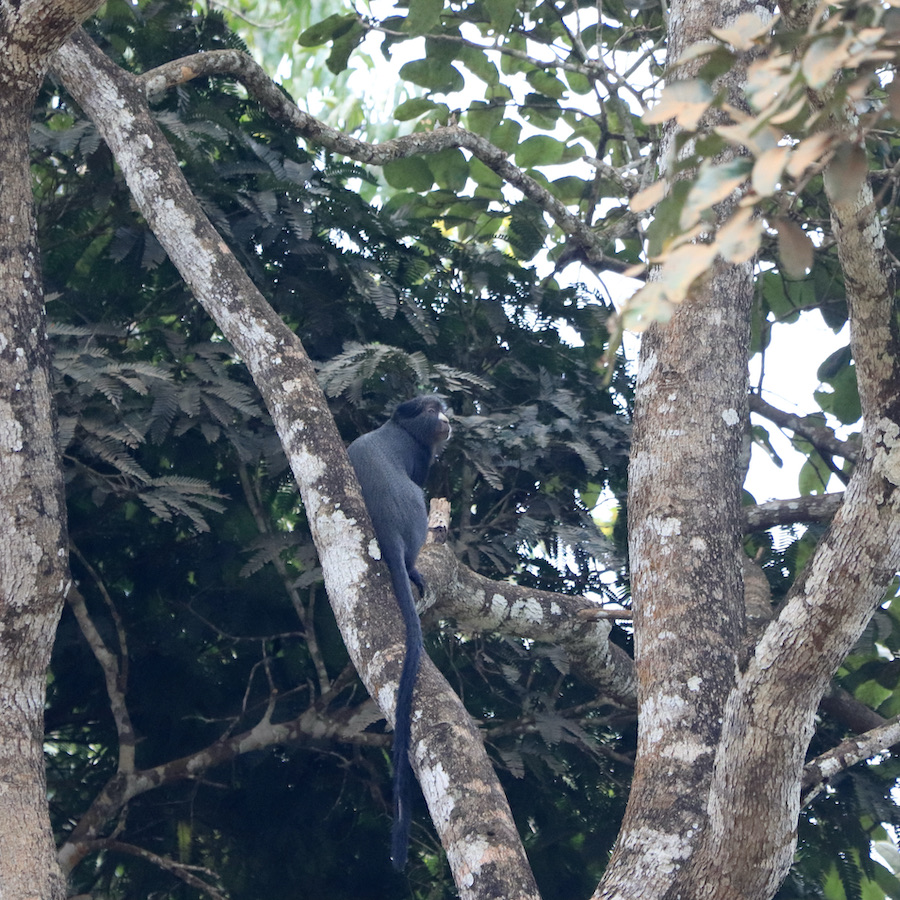
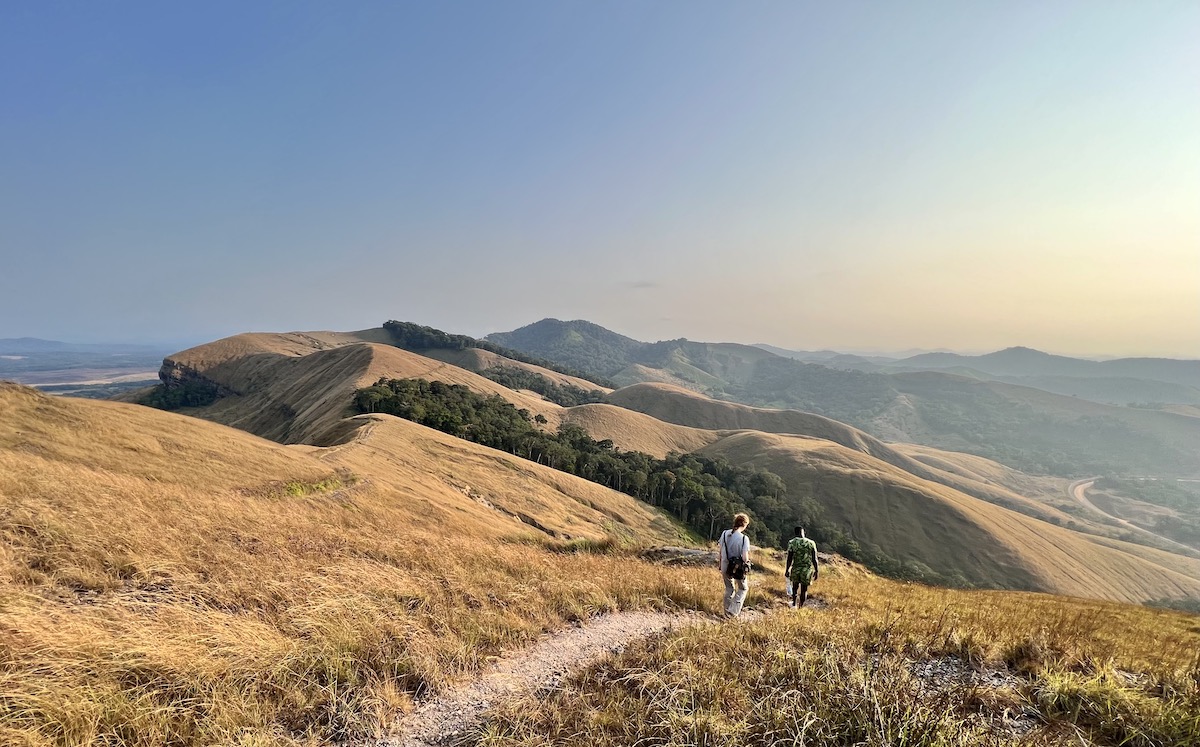
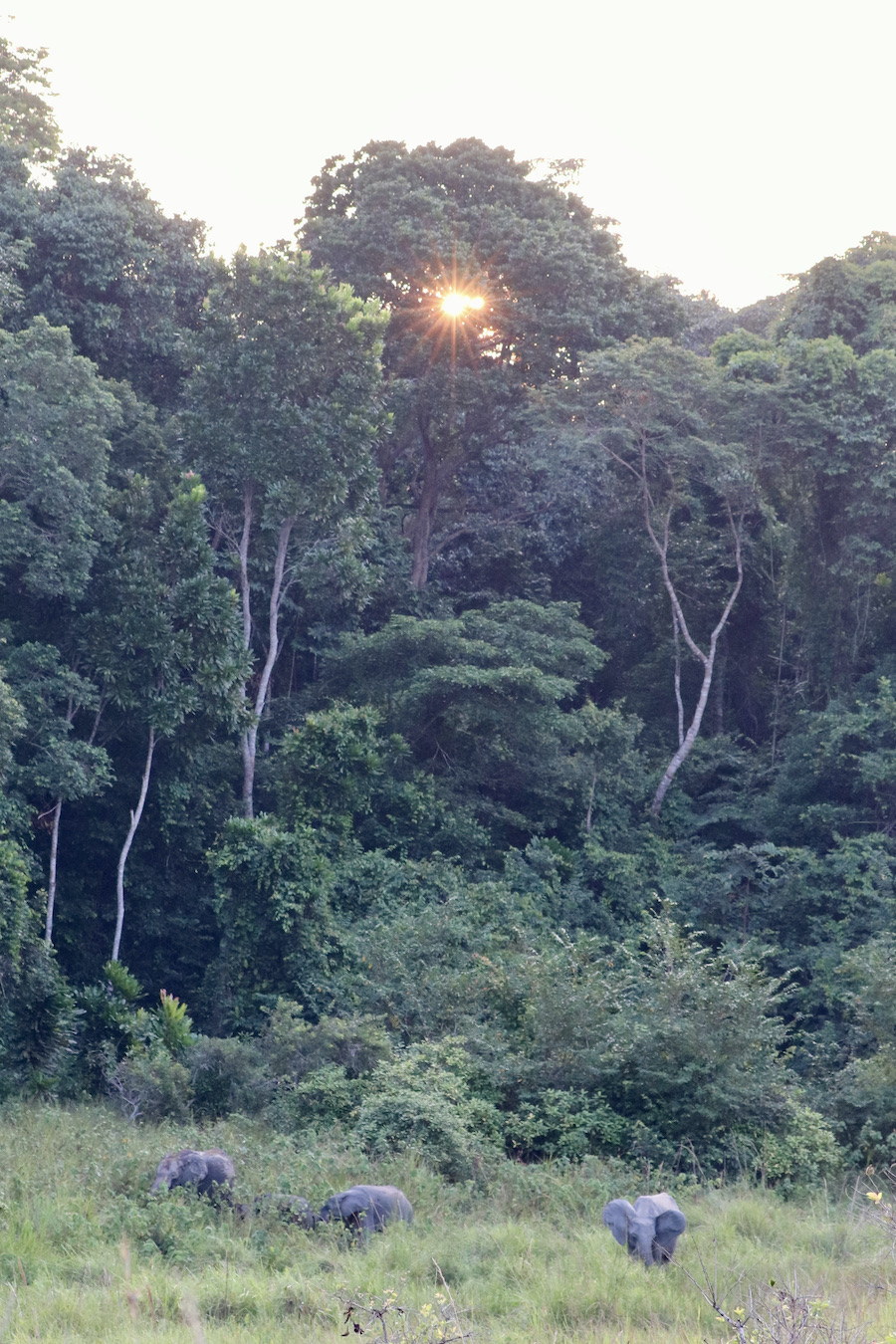
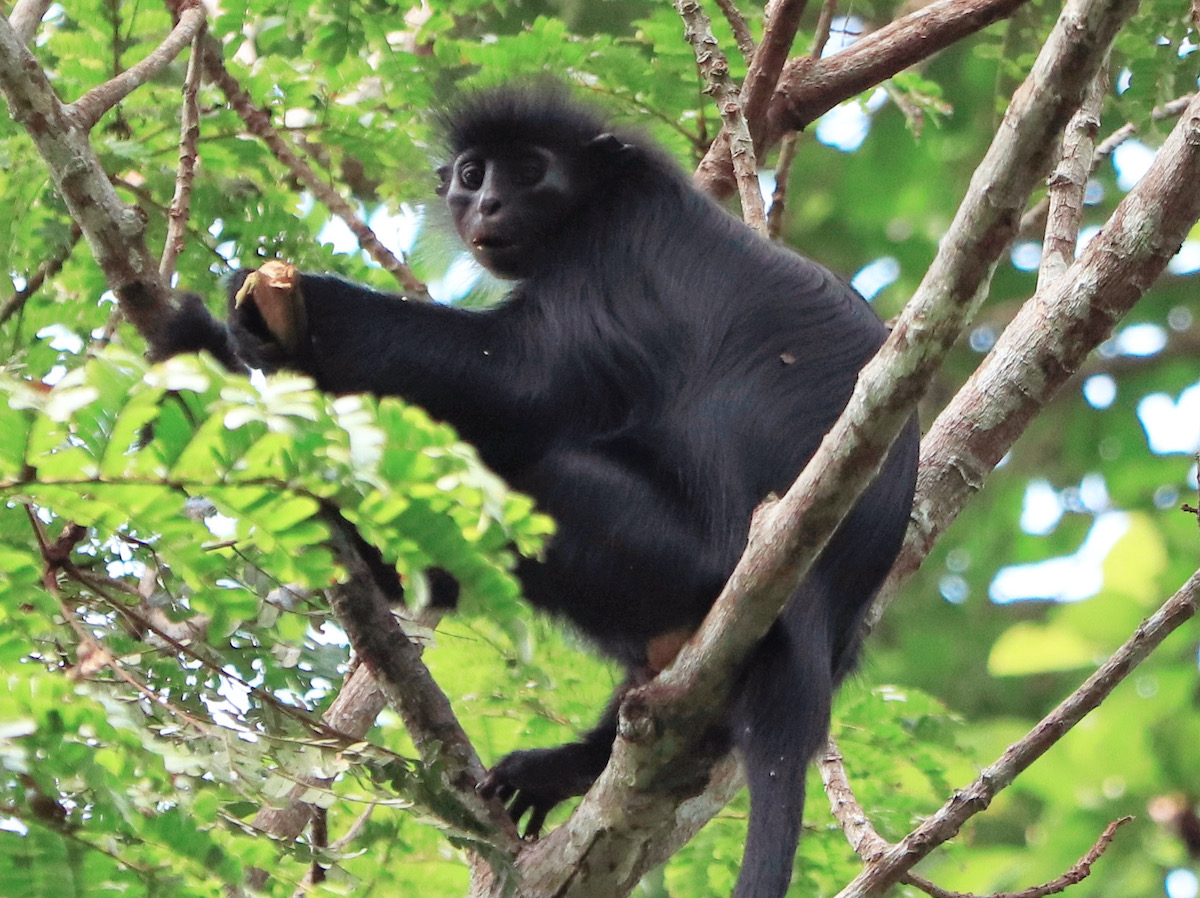
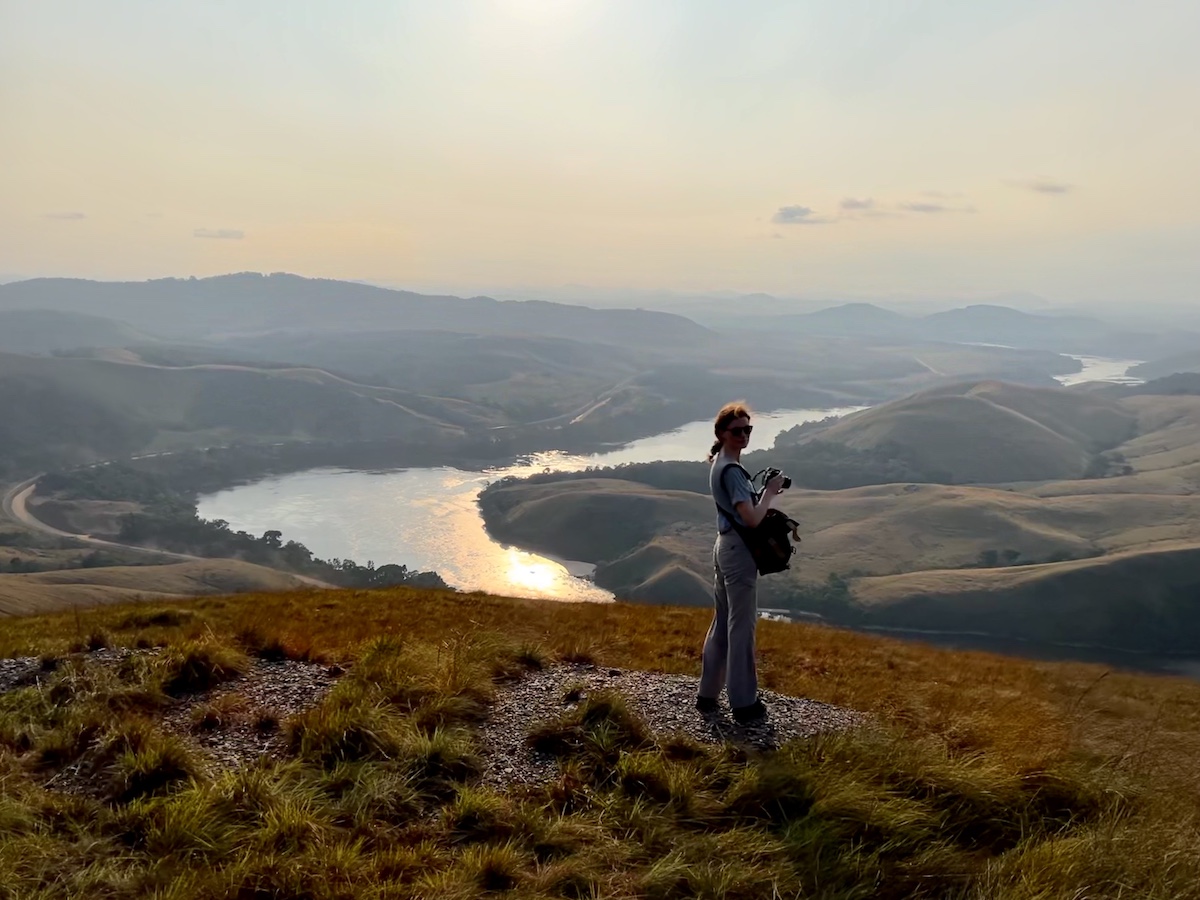
I recommend going to Lopé from June to August when mandrill tracking is available. Outside of the dry season, I can only imagine what the roads are like, and to be honest, even with optimal road conditions it’s only worth going all the way there if you can see the mandrills in my opinion. Which doesn’t mean there are no other worthwhile activities once you’re there! You can go on game drives or hike up Mount Brazza for sweeping views. Also ask to go on a forest walk to see the black colobus monkeys. Don’t expect the abundance of other African safaris here, however. Although Lopé is supposed to have the highest density of forest elephants in all of Africa, being forest elephants they are not easy to spot. The same goes for other wildlife, which tends to stick to the dense vegetation.
4 days in Loango National Park
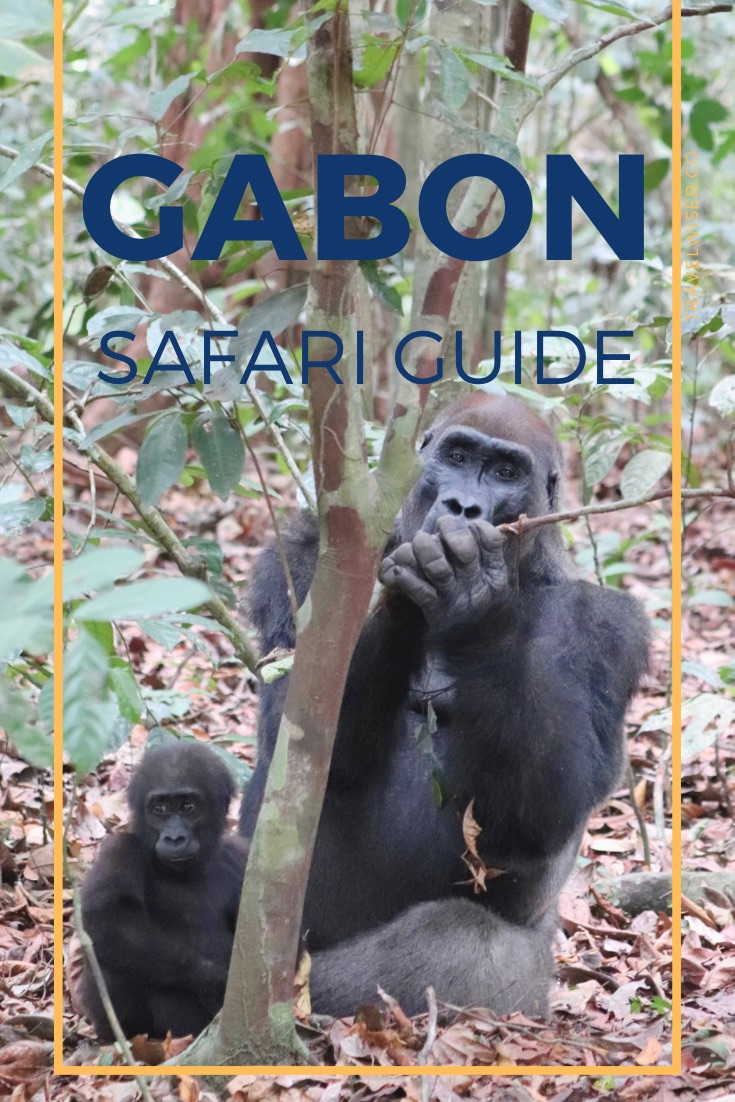
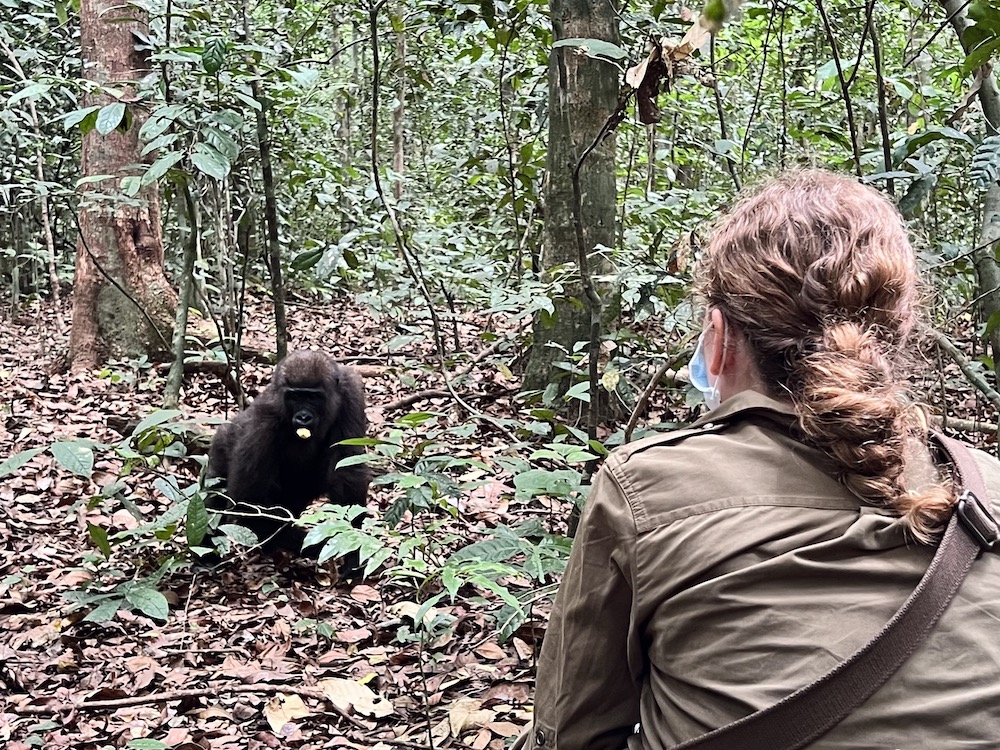
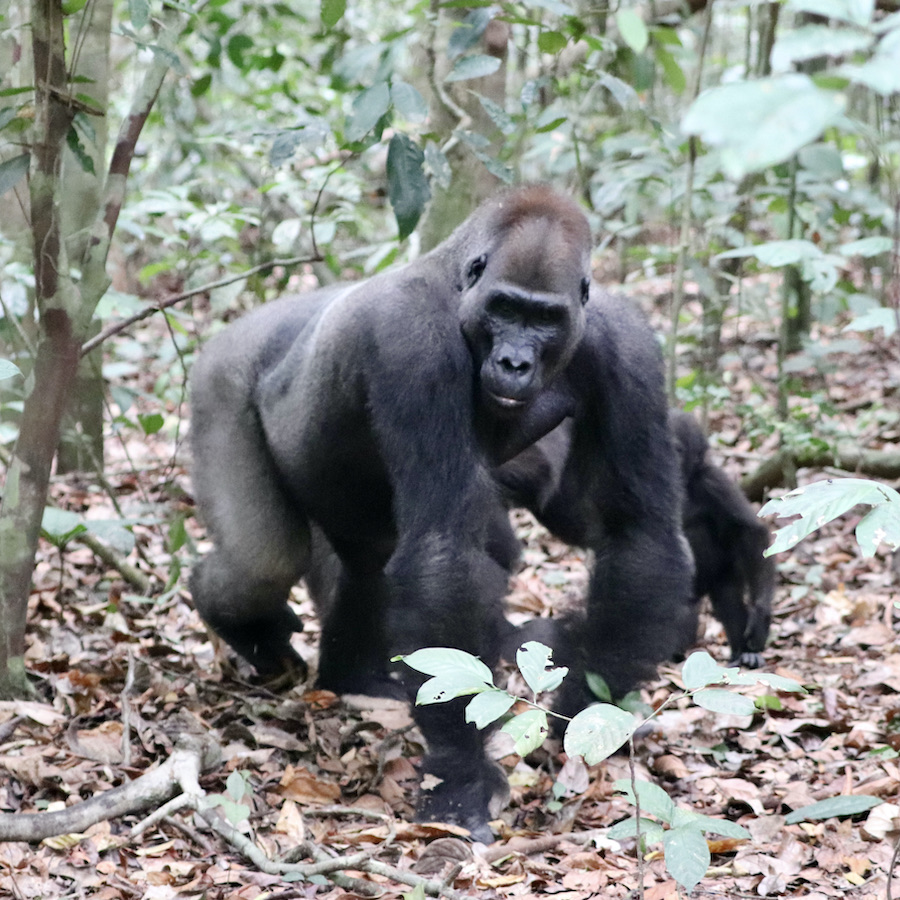
Next, head to Loango National Park to see another primate, the gorilla. Loango is one of only a handful of places in Africa where you can track habituated western lowland gorillas, and of these it is by far the easiest to travel to. Getting eye to eye with these magnificent creatures really is a bucket-list experience.
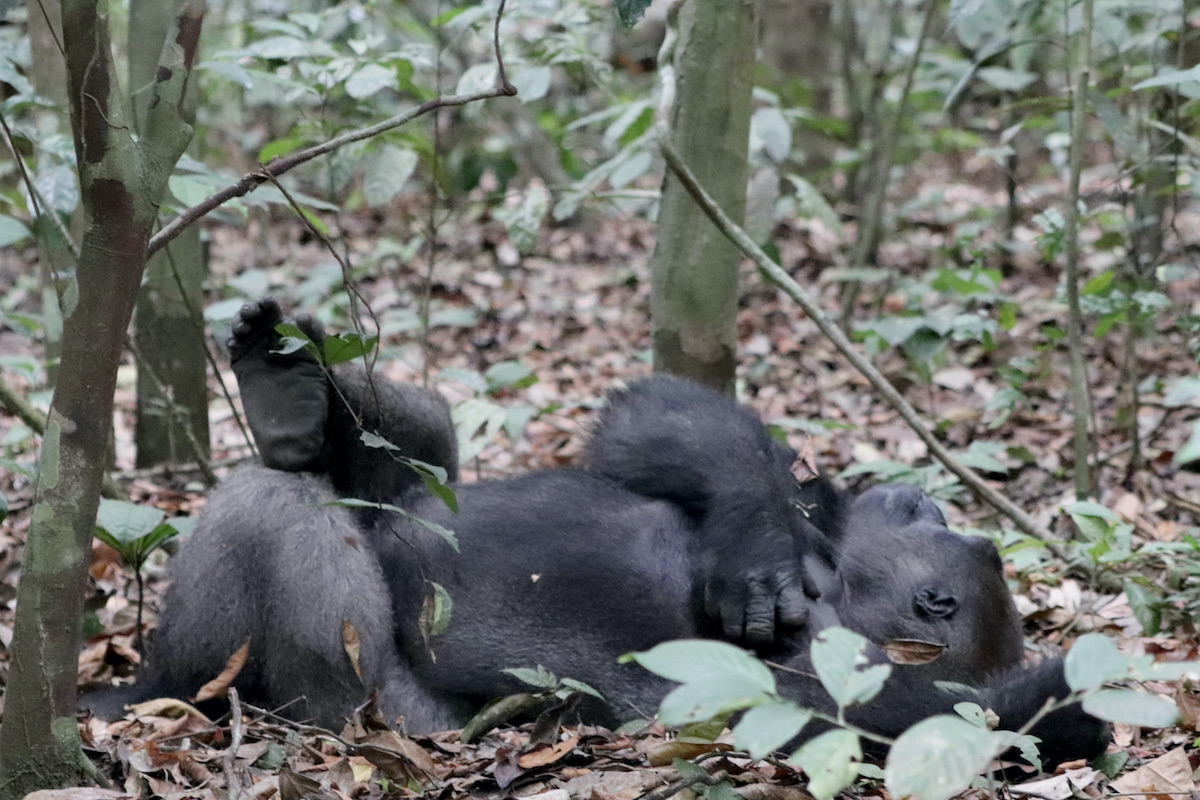
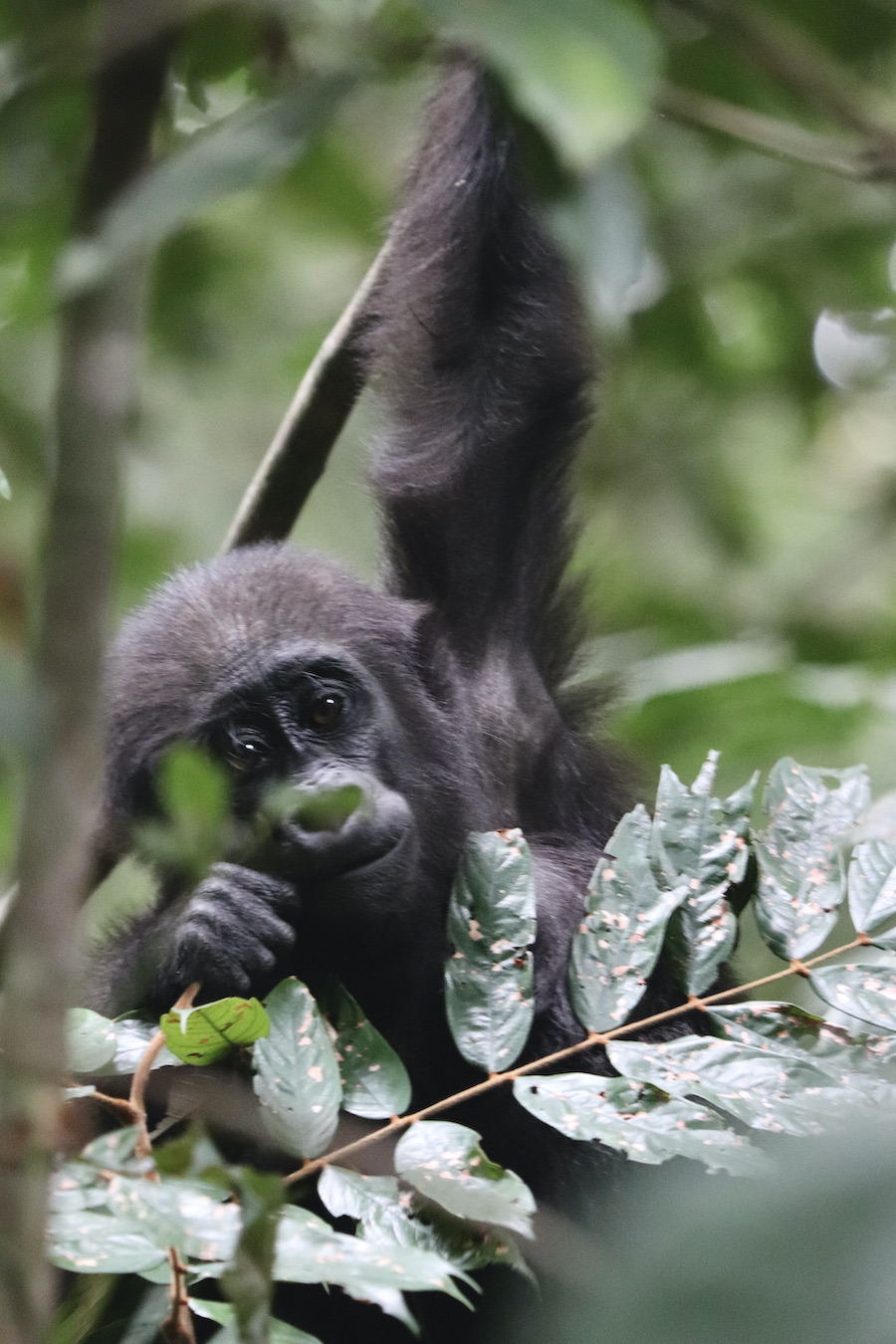
Besides the opportunity to see gorillas, Loango has a unique setting straddling the Atlantic coast, savannah, forest and wetlands. Only slightly more accessible than Lopé, a flight to Port Gentil followed by a three hour jeep ride and a boat crossing will get you there. You might need to spend a night at Port Gentil, we stayed at Le Bougainvillier which was passable, L’Hirondelle just across the road might actually be slightly better.
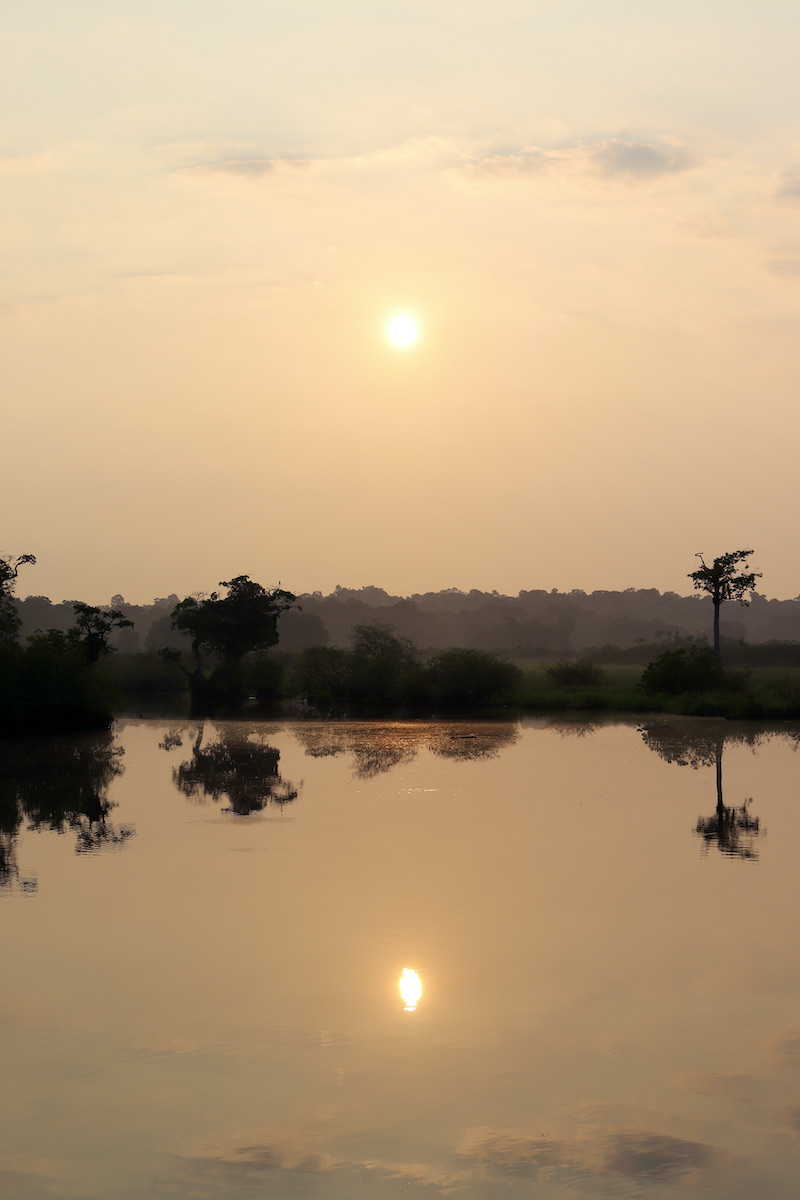
The main lodge in Loango National Park is Ndola camp (Loango Lodge has been permanently closed). Located at the meeting point of the Iguela river and the Atlantic ocean, Ndola is a very pleasant camp with comfortable safari tents overlooking the lagoon.
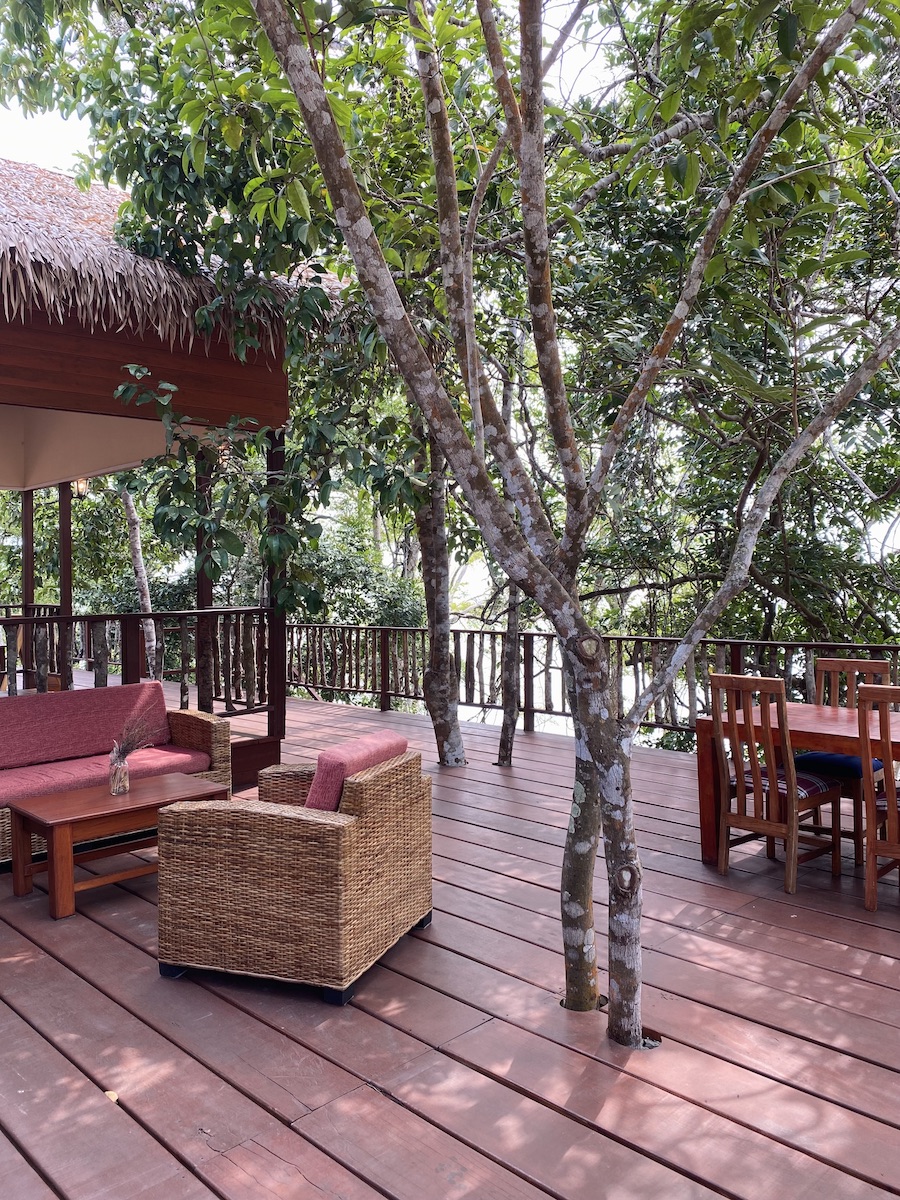
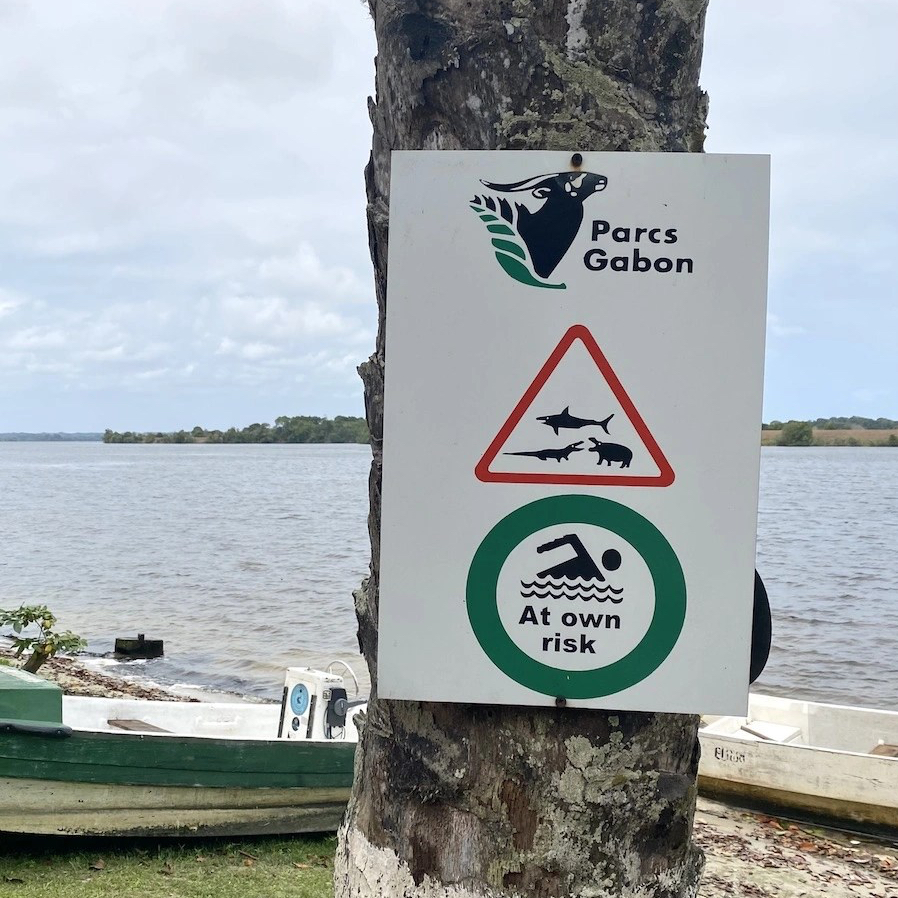
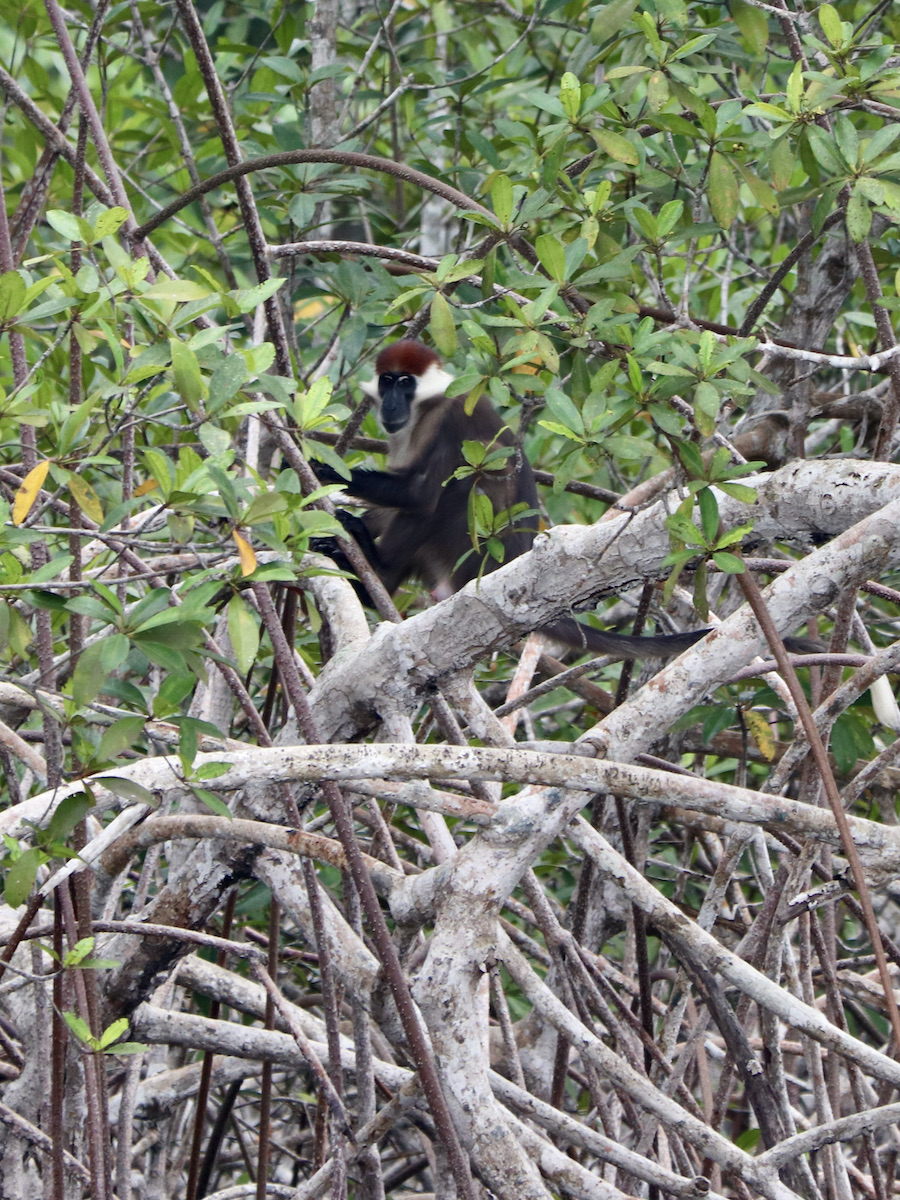
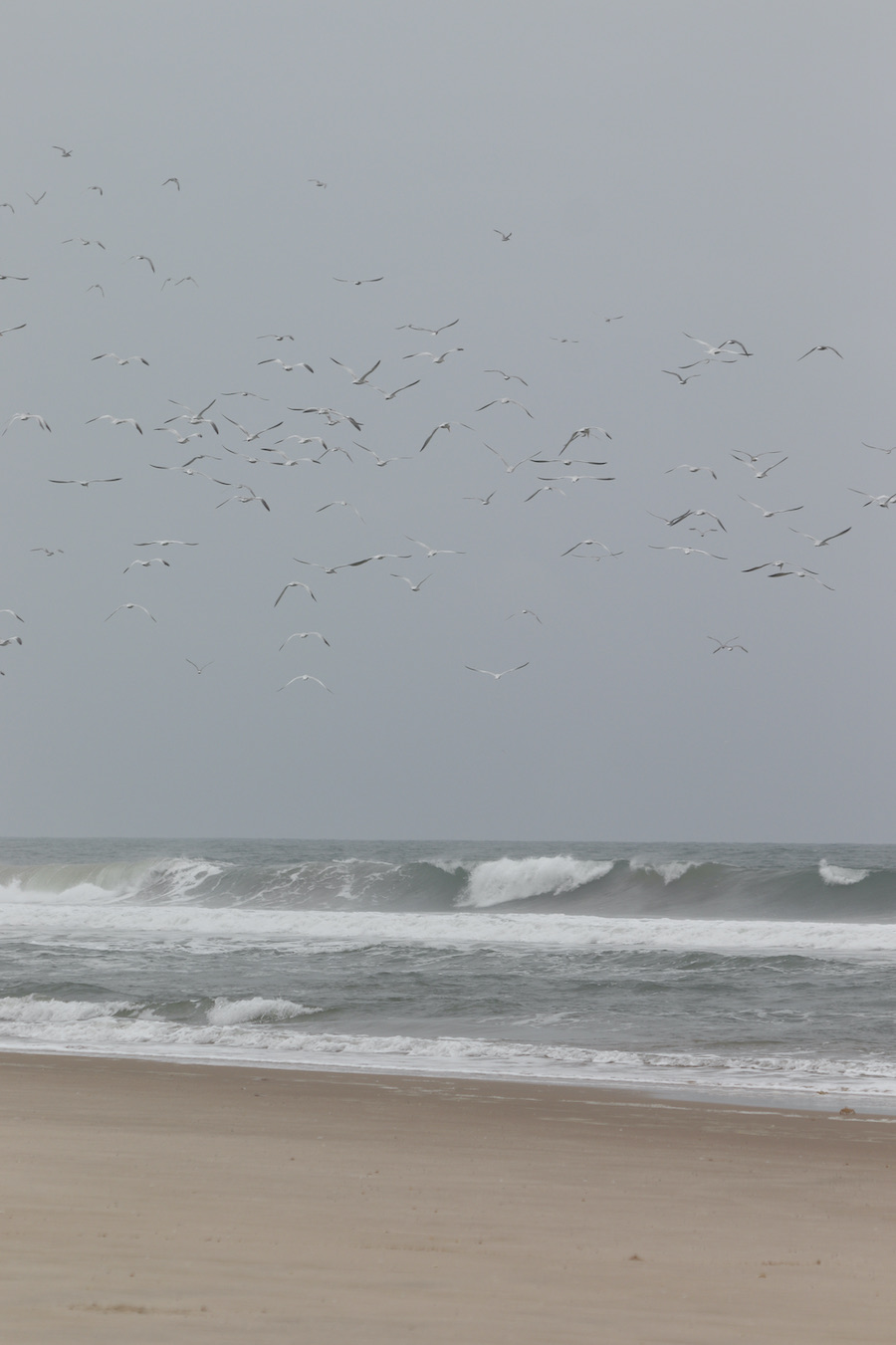
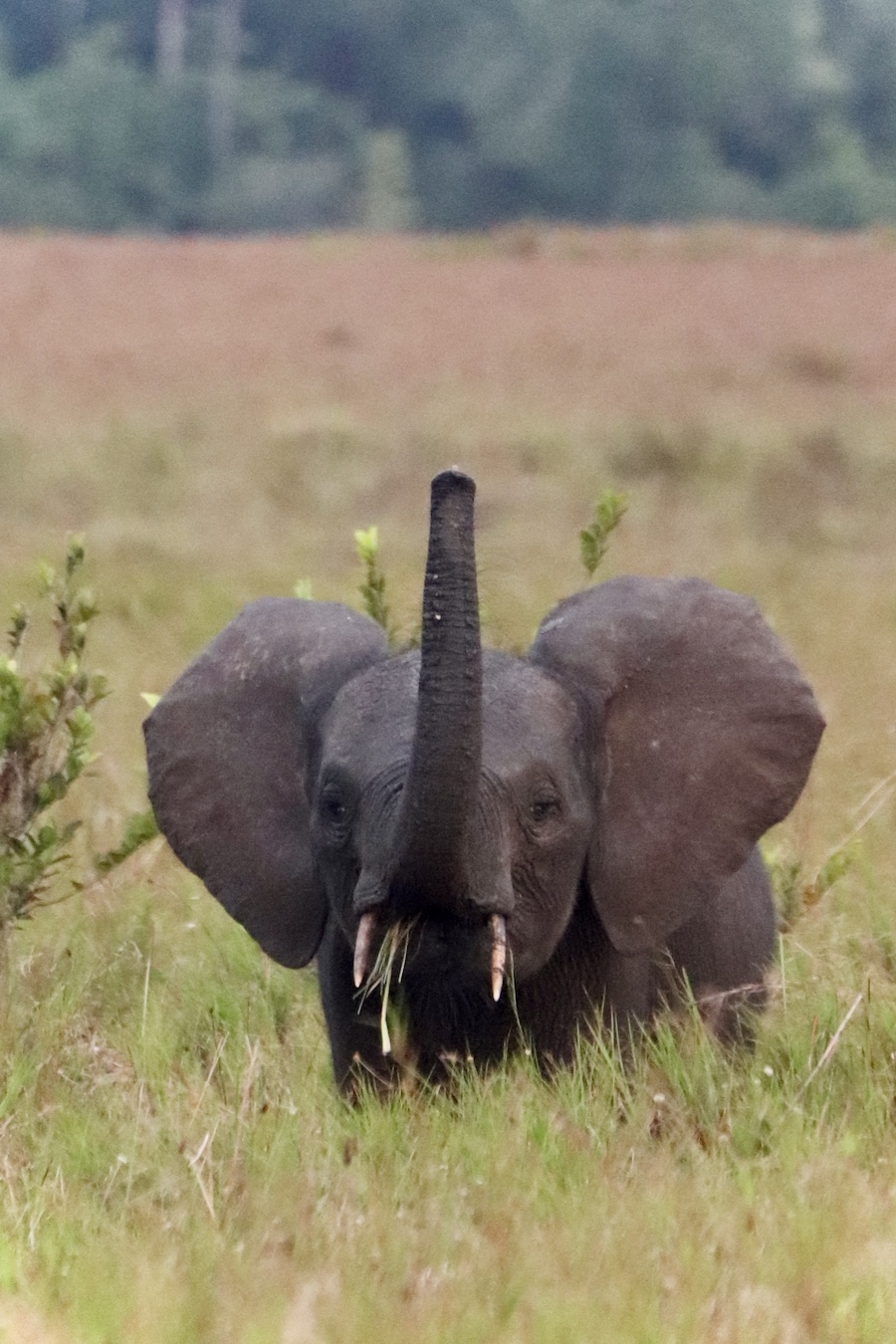
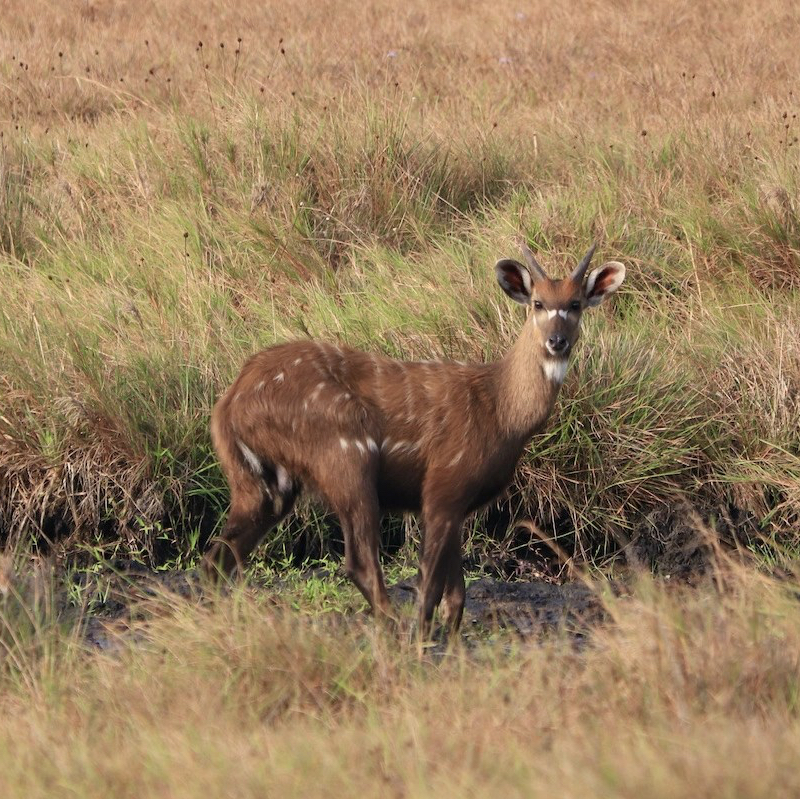
From here you can foray into the savannah, forest and mangroves. During the dry season a lot of wildlife tends to head further inland into previously inaccessible jungle and bais (sandy or muddy open patches with watering holes), but you still have good chances of seeing red river hog, forest buffalo and elephant, monkeys and deer, including sitatunga. Be prepared for very bumpy game drives. In the water you can spot hippos and crocodiles and from July to September humpback whales can be seen off the coast.
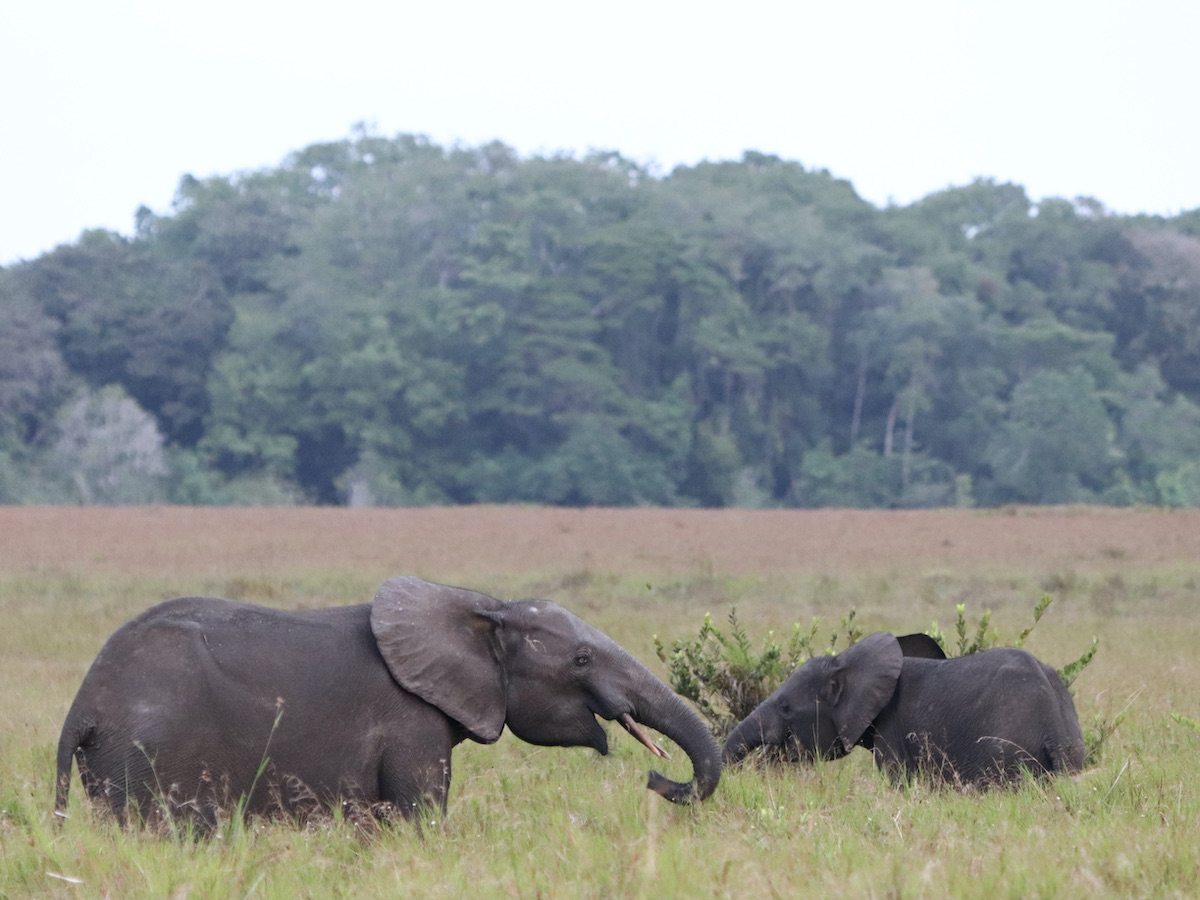
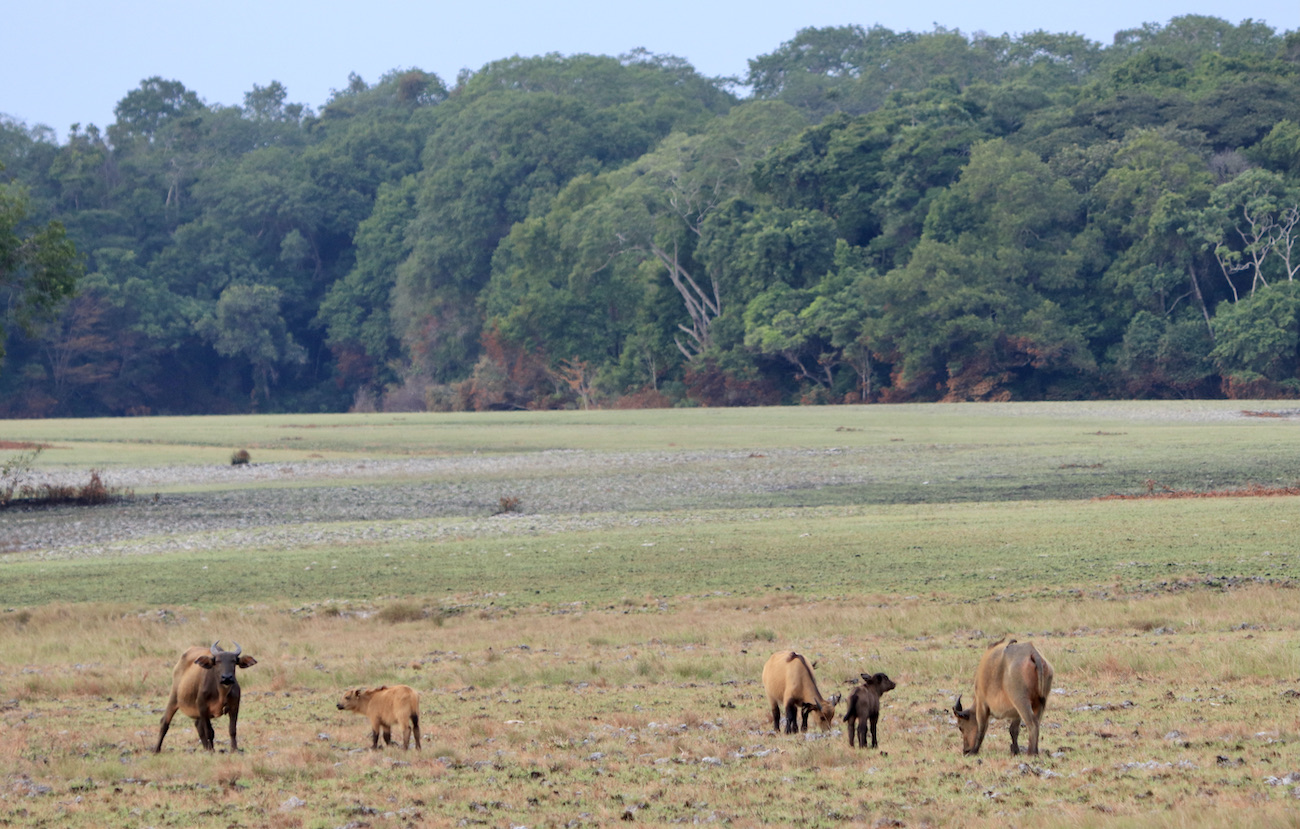
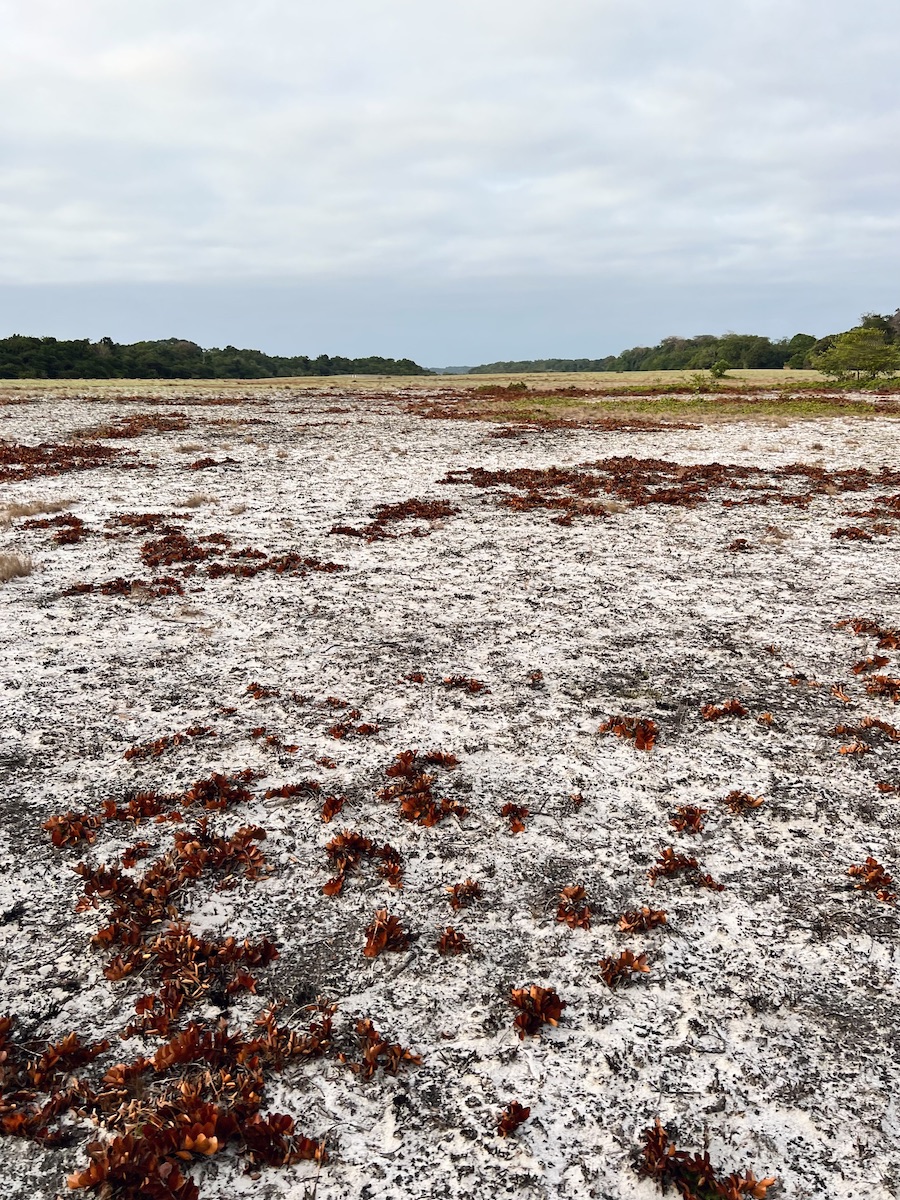
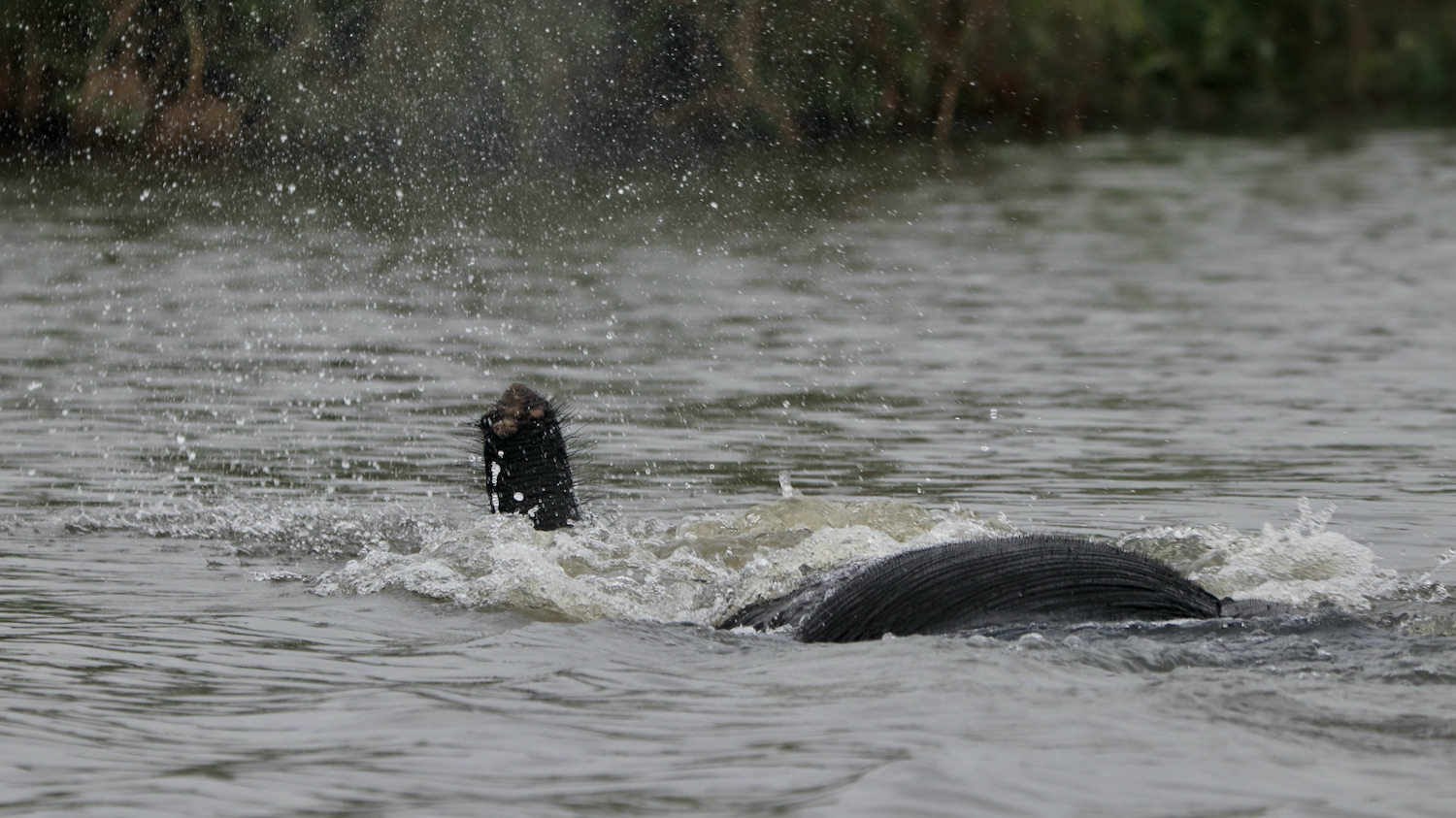
During and right after the rainy season Ndola Camp becomes the place to be however. Elephants, buffalo and other animals flock to the savannah and the salt-coated new grass near the coast. You might even see the famous surfing hippos. From November to February marine turtles come to nest on the beaches.
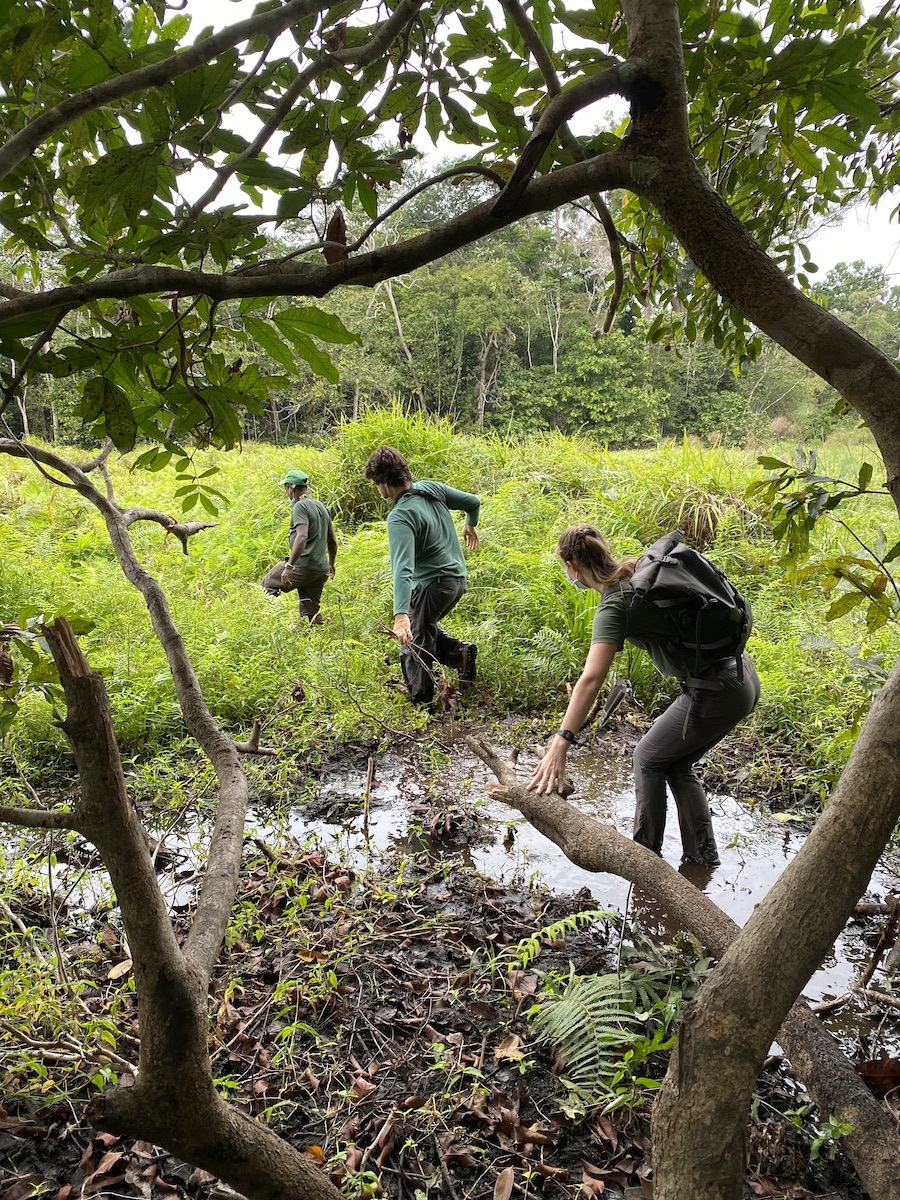
Not far from Ndola camp, by boat, is the gorilla research camp, from where gorilla trekking expeditions start. The gorillas are often easier to find in the rainy season, when they don’t wander as much, but you’re basically always guaranteed to see them. Be prepared to get your feet wet, as you will likely have to cross swamps to get to them. Guides and trackers all wear crocs, I was fine with my lightweight nikes. Don’t wear rain or hiking boots!
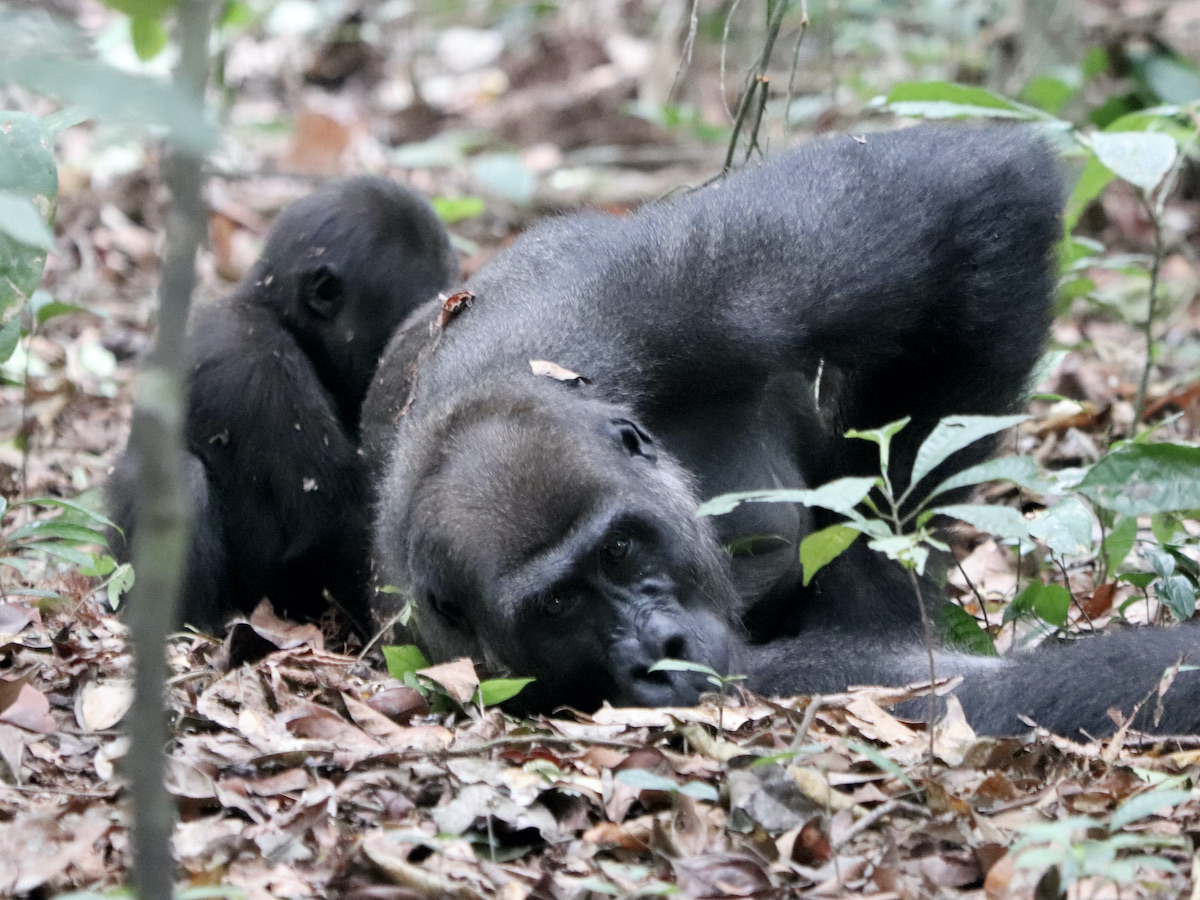
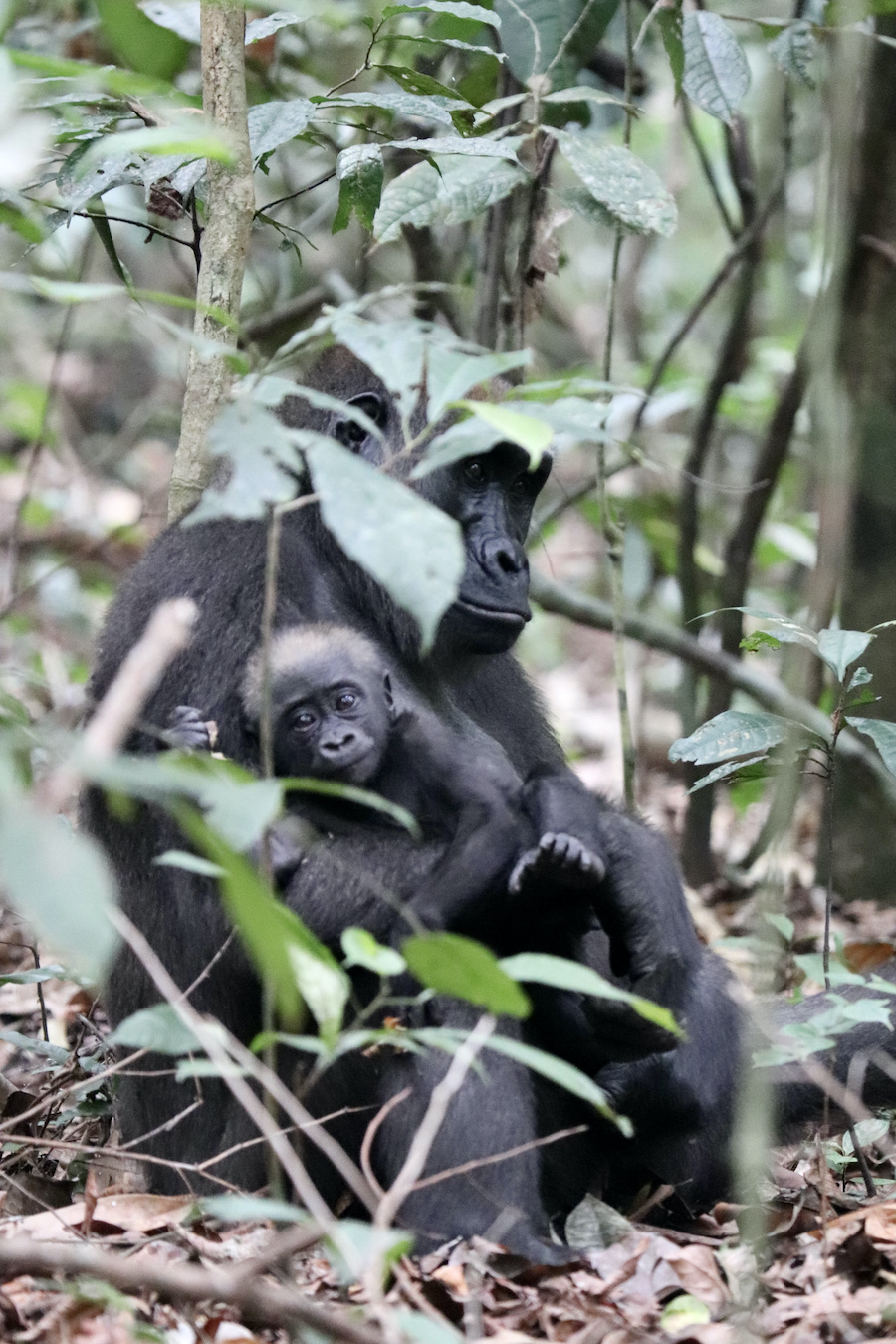
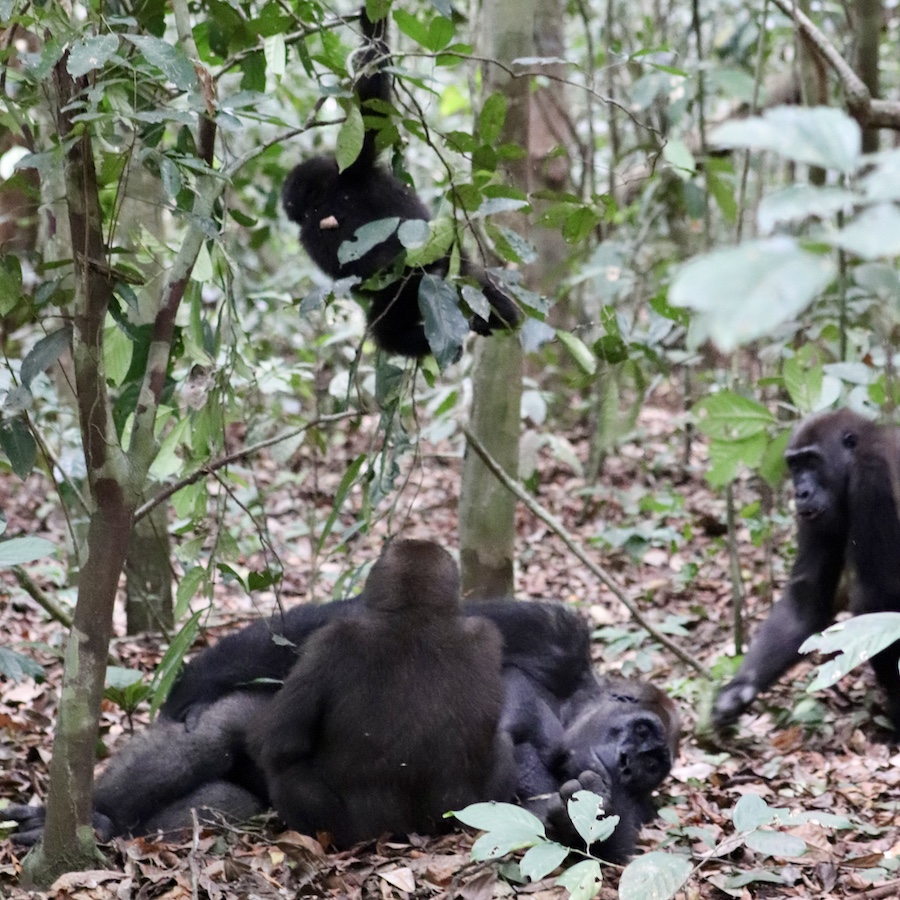
The gorillas in Loango are western lowland gorillas. They are slightly smaller than mountain gorillas and spend more time up in the trees. You will most likely visit the Atananga group, with Kamaya as the dominant silverback, although another group of gorillas is being habituated. Visits are restricted to a small group of maximum 4 people a day, so you’ll get a very private experience with the gorillas.
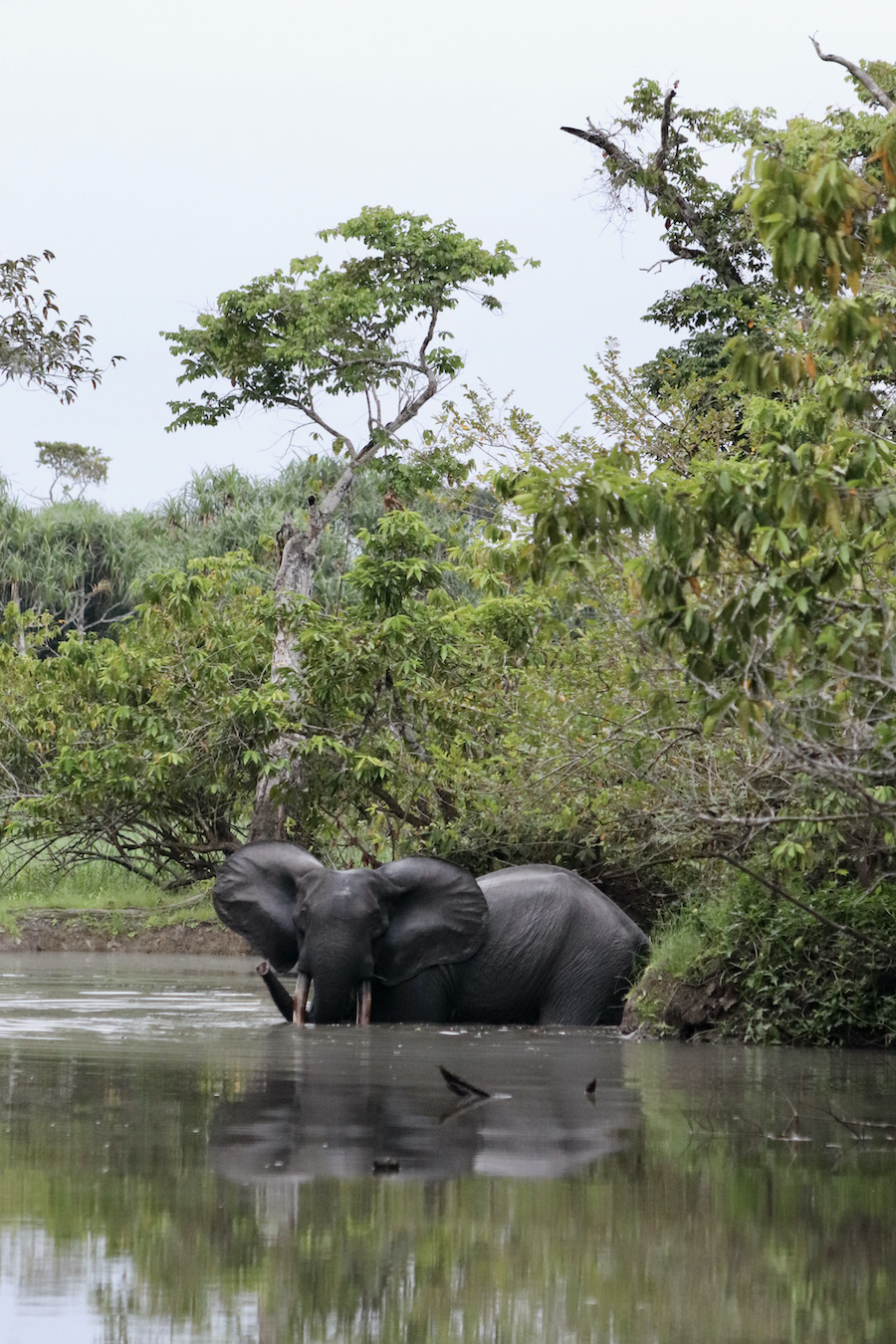
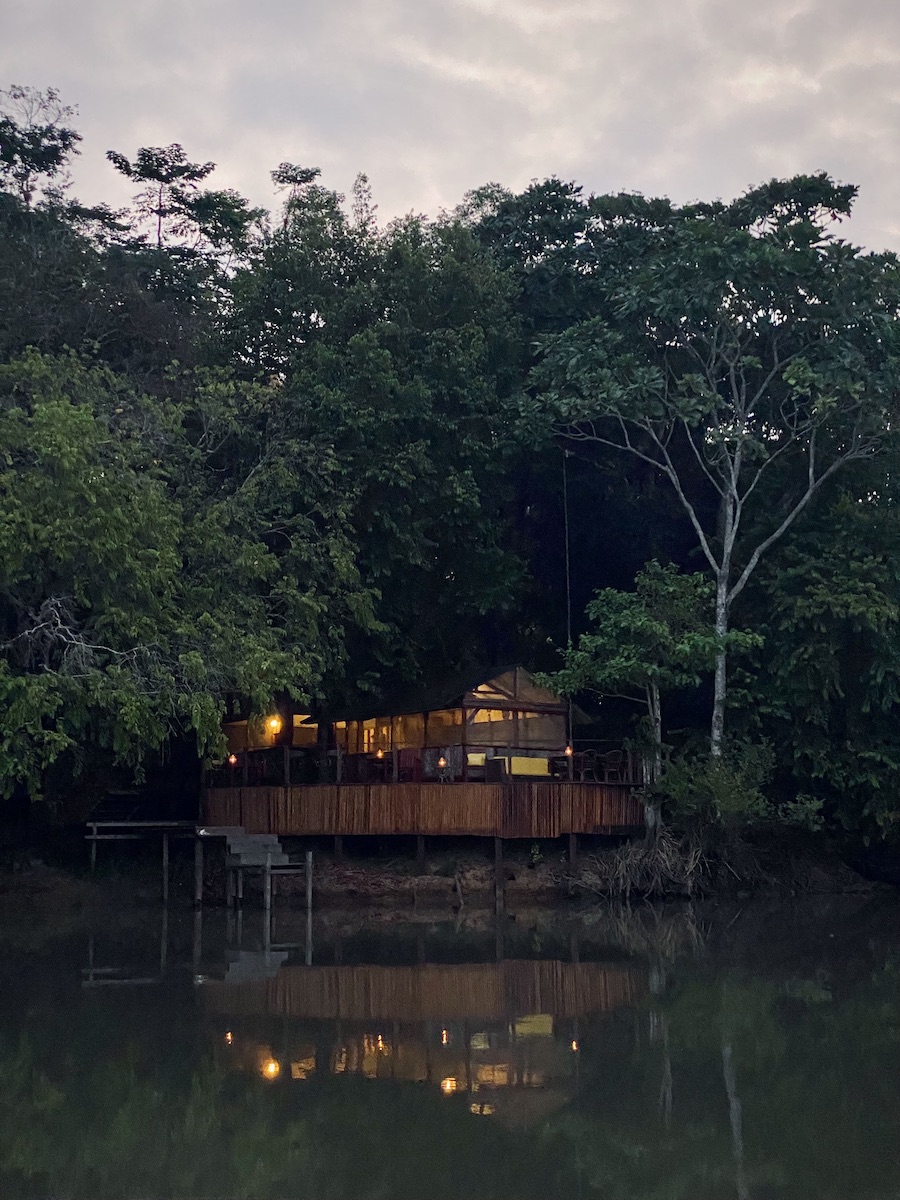
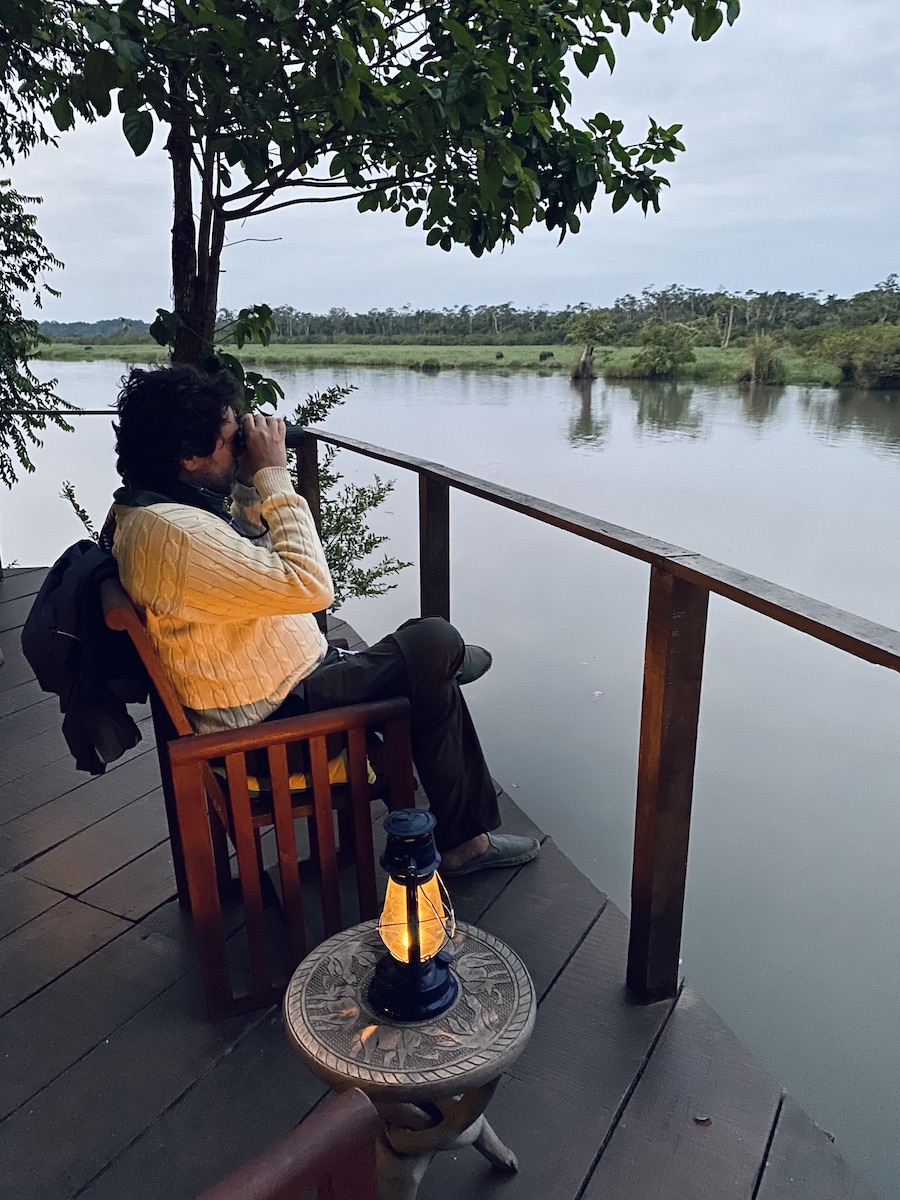
From the research camp, head on to Akaka satellite camp, far down the lagoon in a more foresty area. Akaka is closed during the rainy seasons, but in the dry season this is where most animals go. Only accessible by boat, the camp is rustic but very charming. Set on the river and unfenced, you’re right in the middle of it and forest elephants can wander freely around your tent at night.
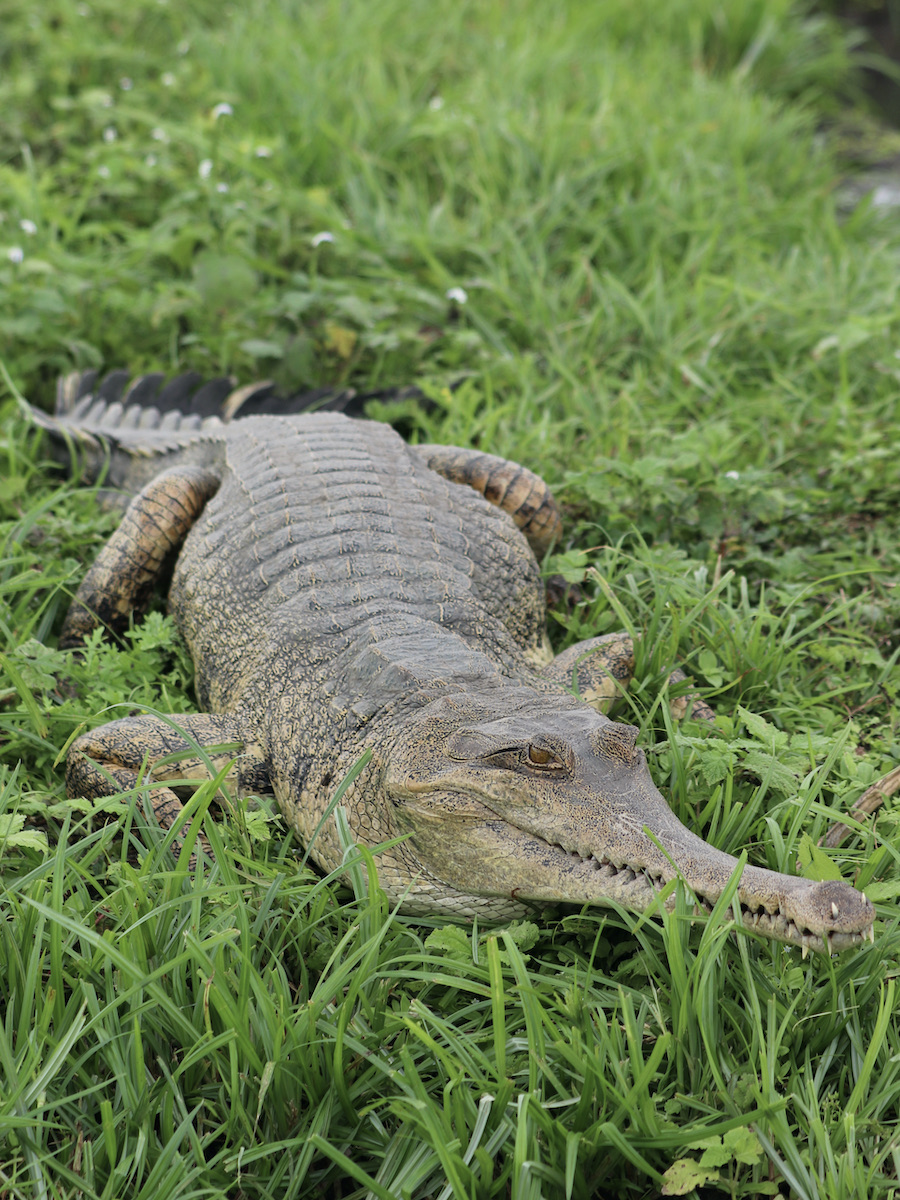
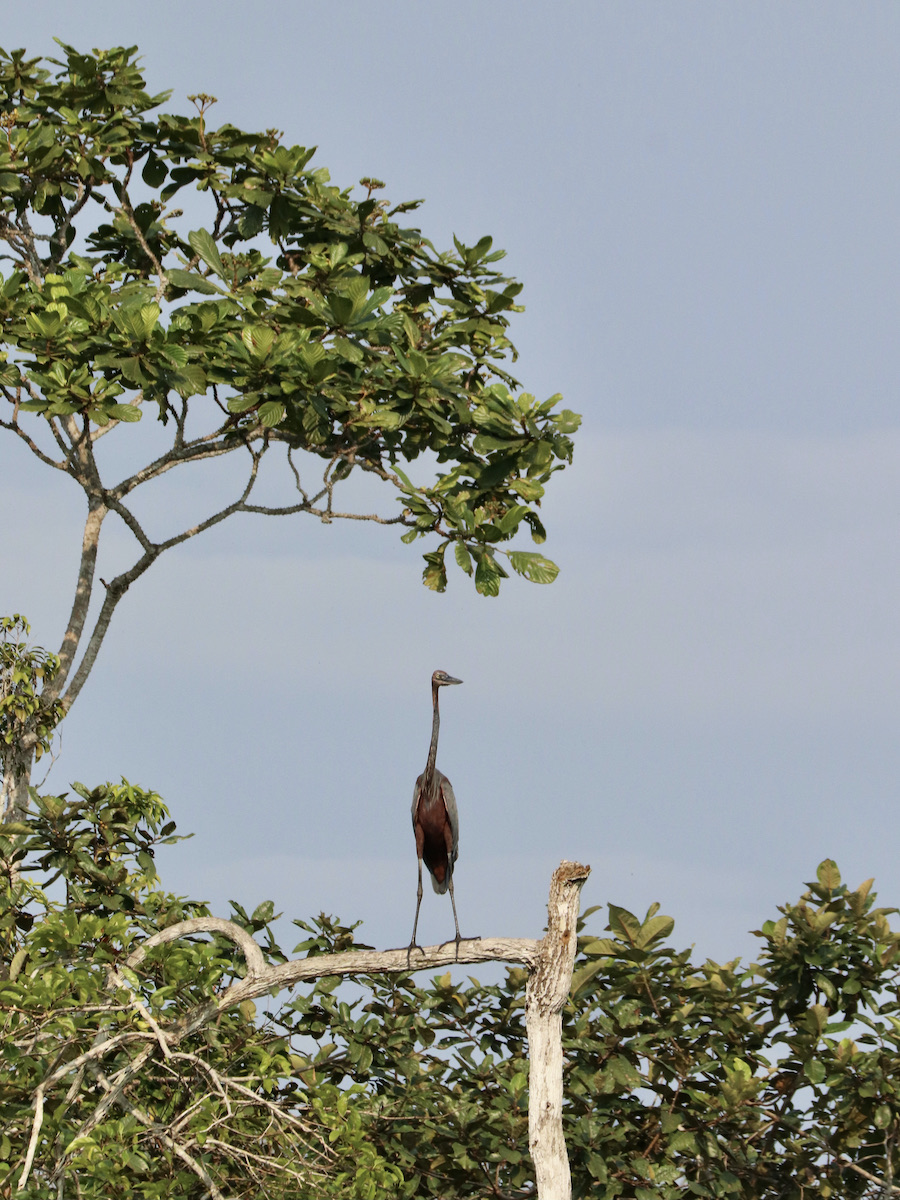
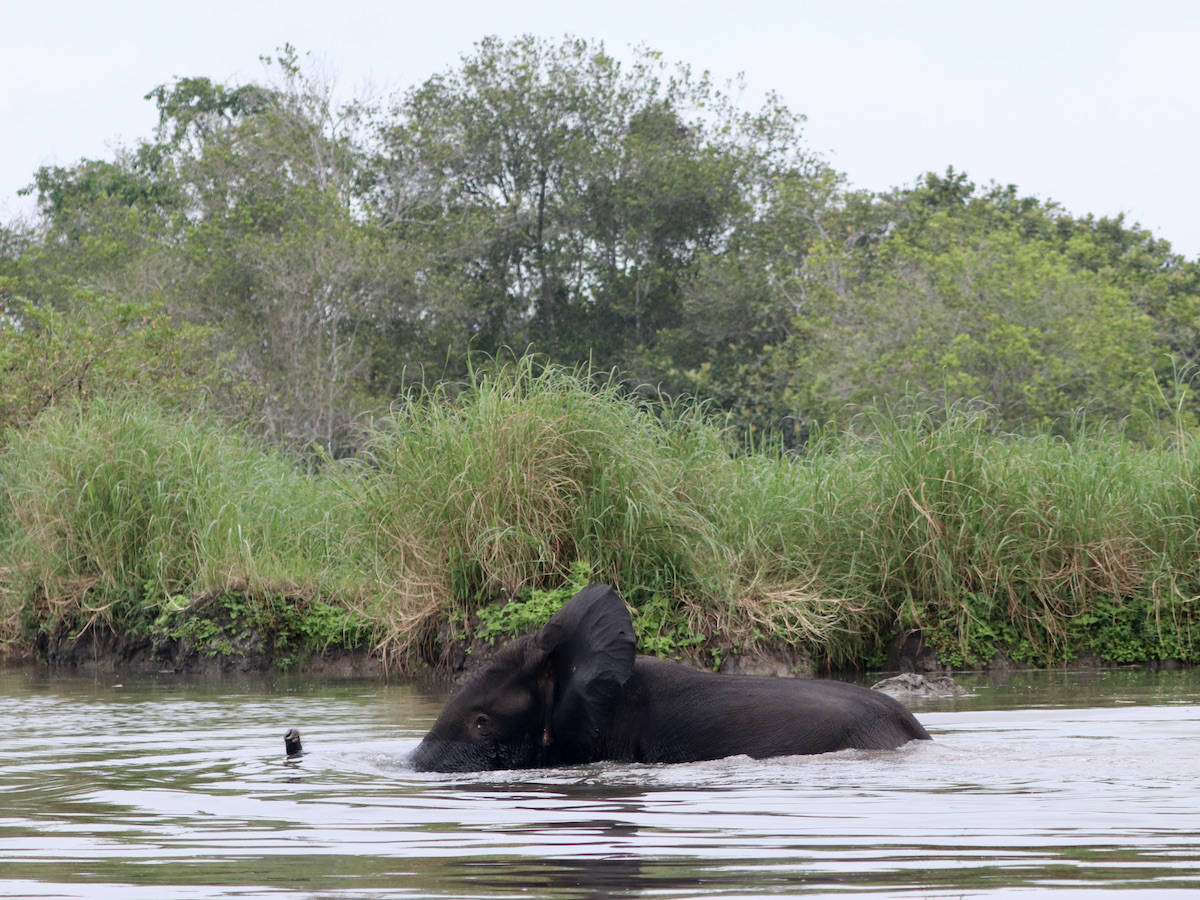
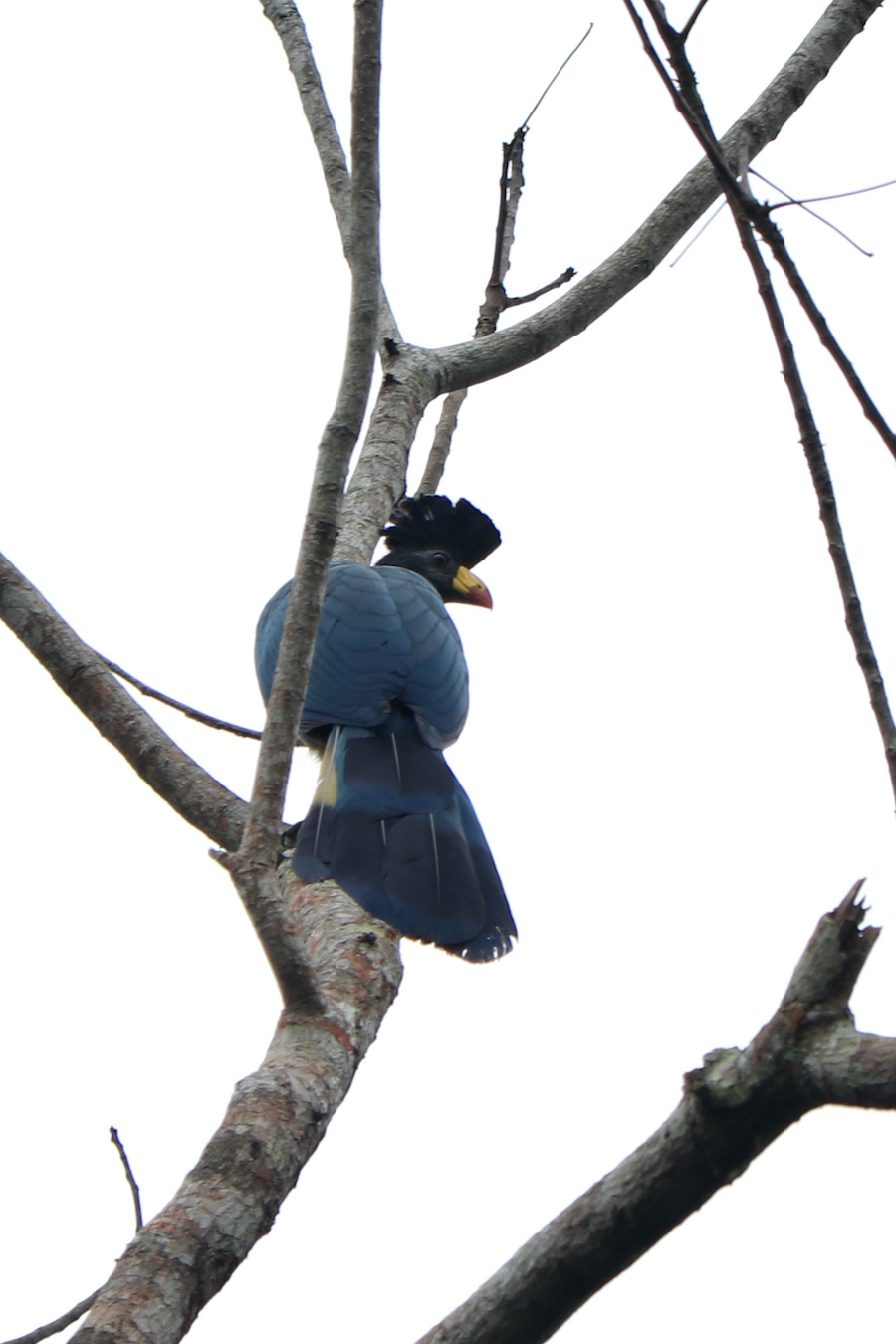
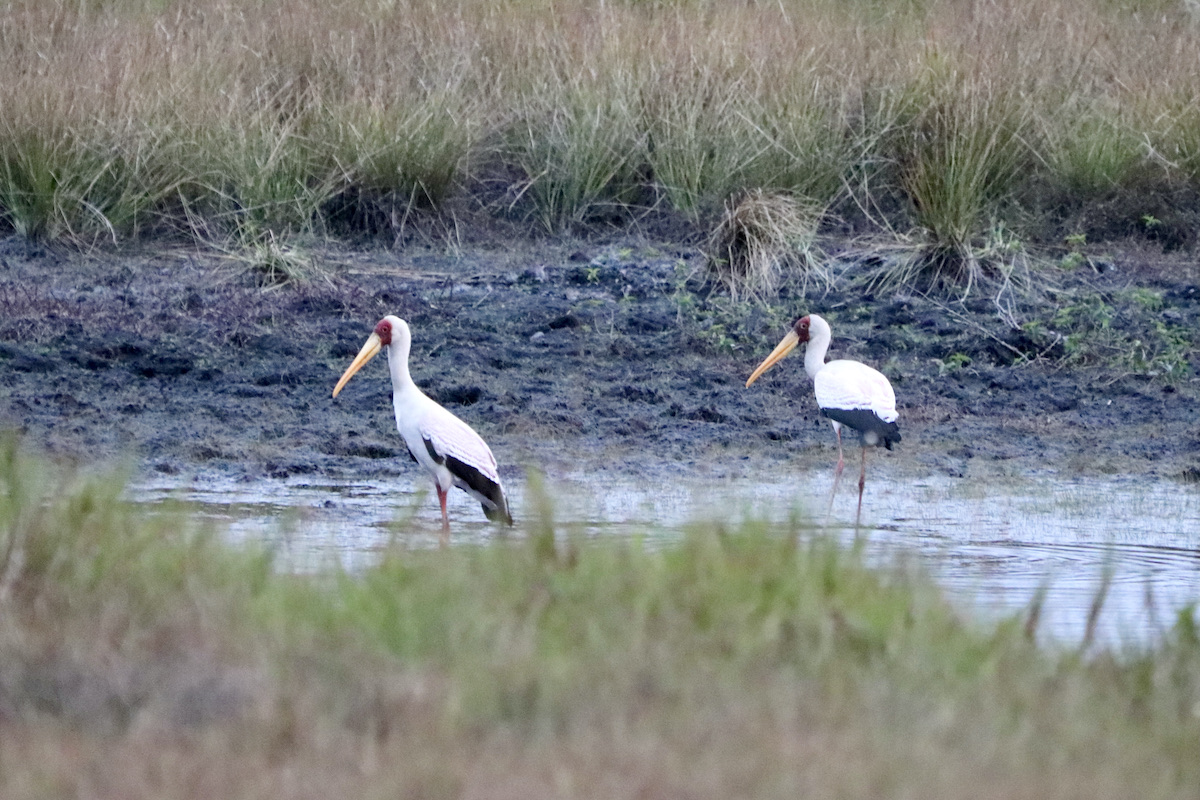
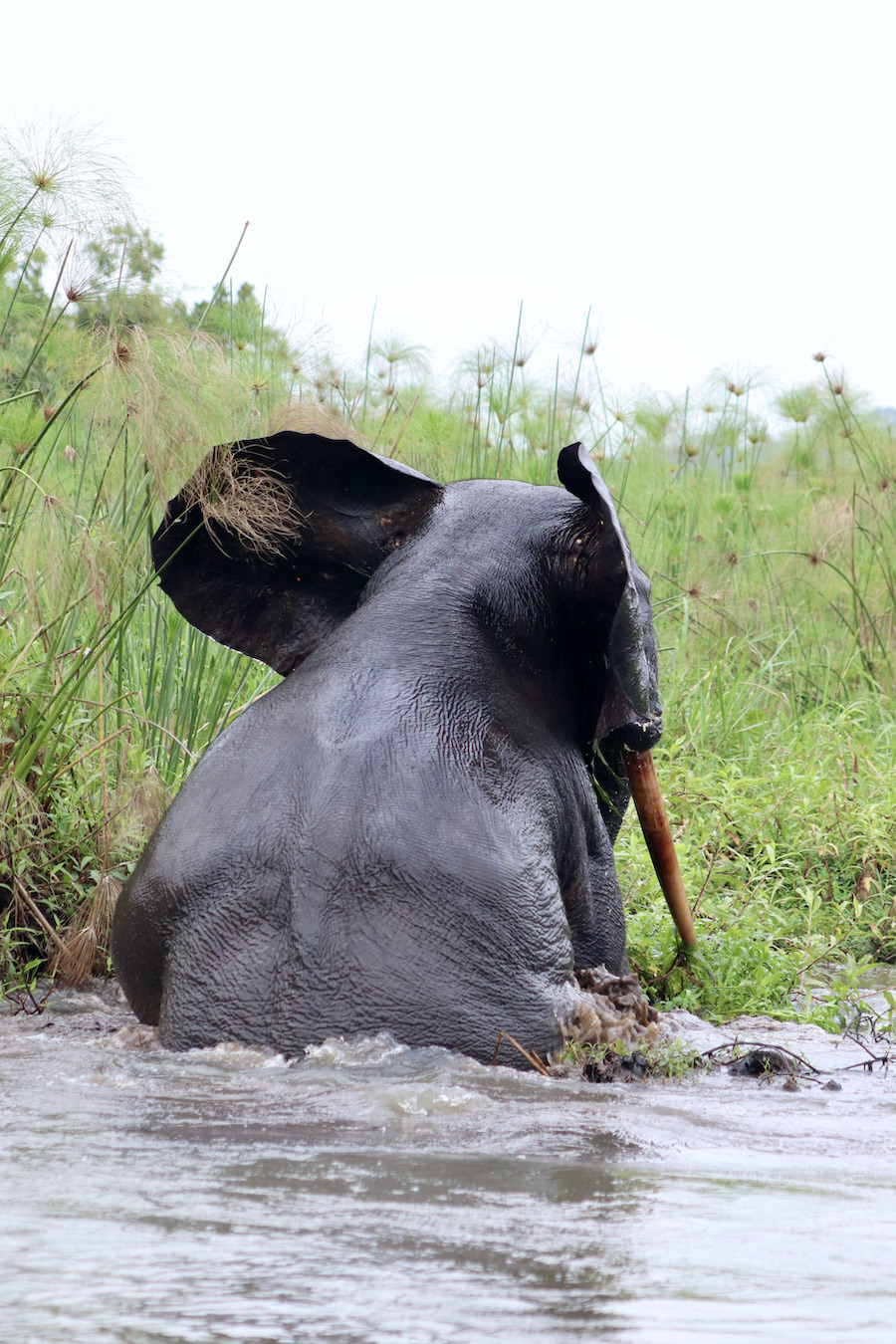
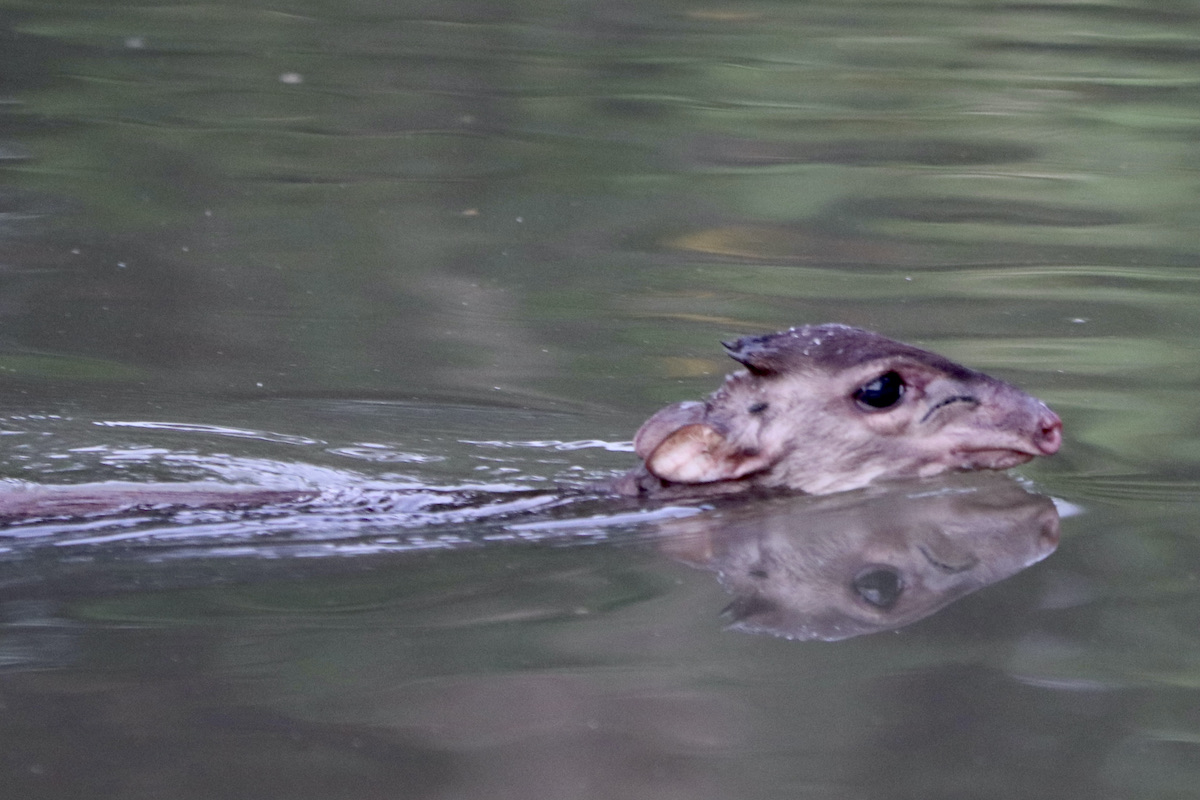
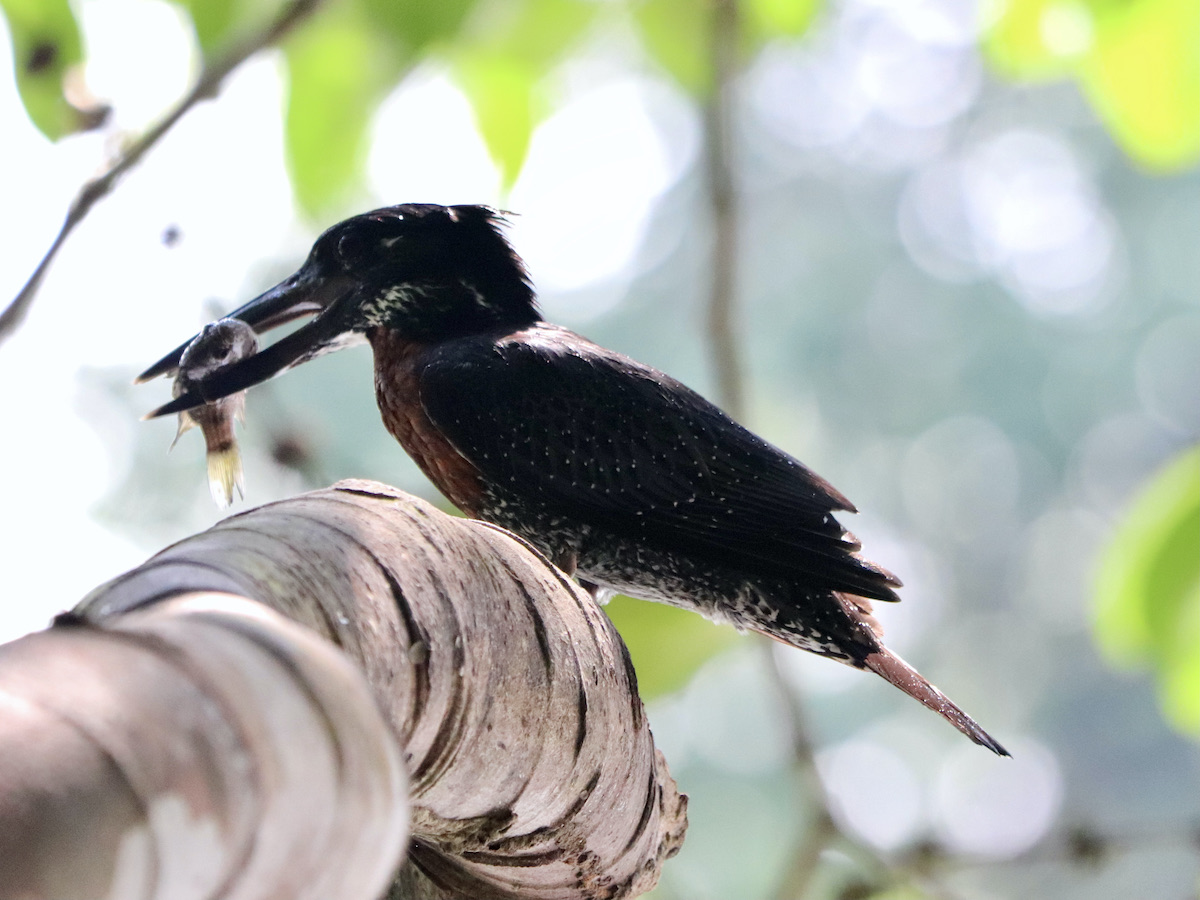
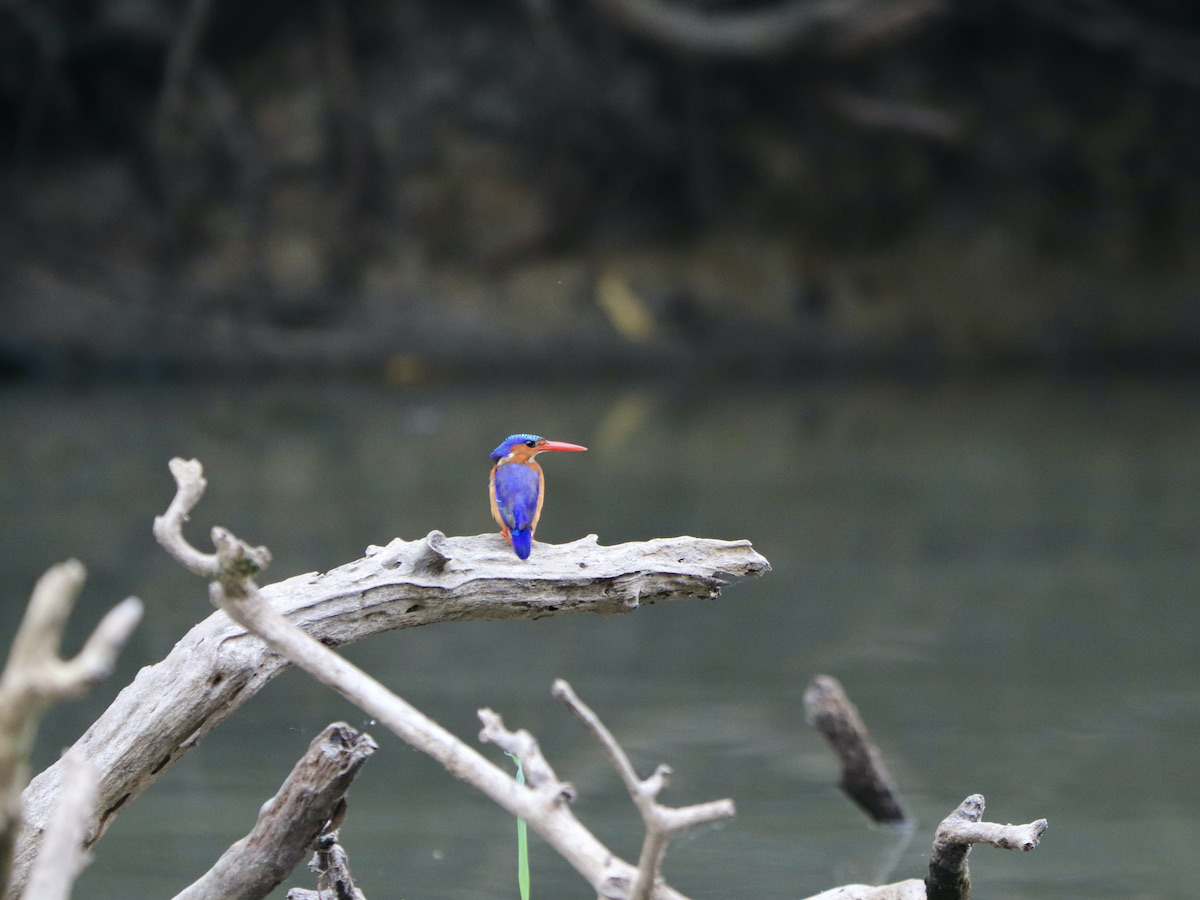
There are some walks but you’ll mostly go on boat safaris, which is very relaxing after all those bumpy car rides. Being on a boat allows you to get very close to forest elephants, and you’ll also see plenty of birds, monkeys, crocodiles (including the slender-snouted crocodile), maybe a hippo or two… Manatees are around but very hard to see. My favourite part was having to pause for crossing elephants.
1-3 days Libreville and around
What with flight schedules and day-long drives, it is likely you’ll have some time before, in between, or after Lopé and Loango. Libreville, Gabon’s capital, is rather uninspiring, although it has a nice oceanfront setting with a long sandy beach. We stayed at the Radisson Blu, which was all right. There is not really anything to do in town, although you can check out the crafts market, the Village des Artisans, and nearby historic Café Pelisson.
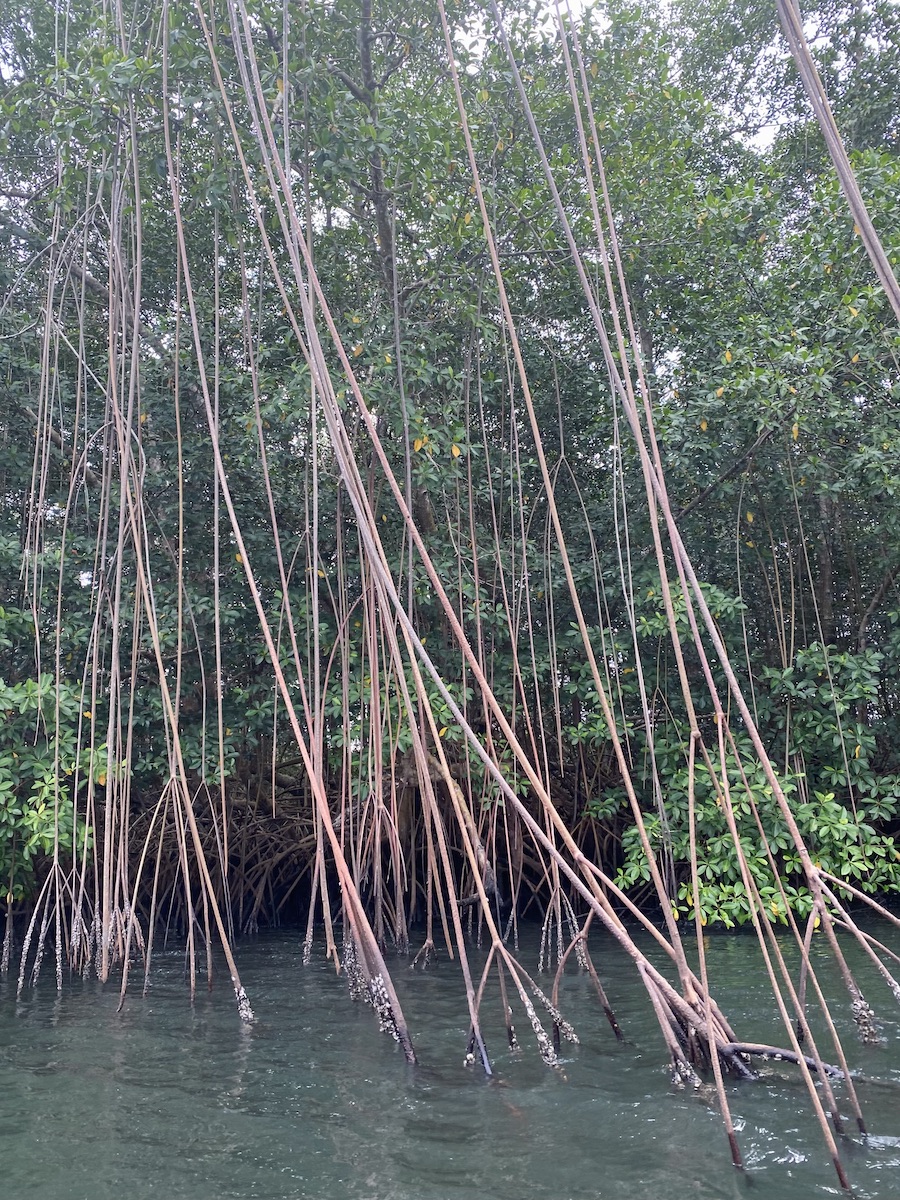
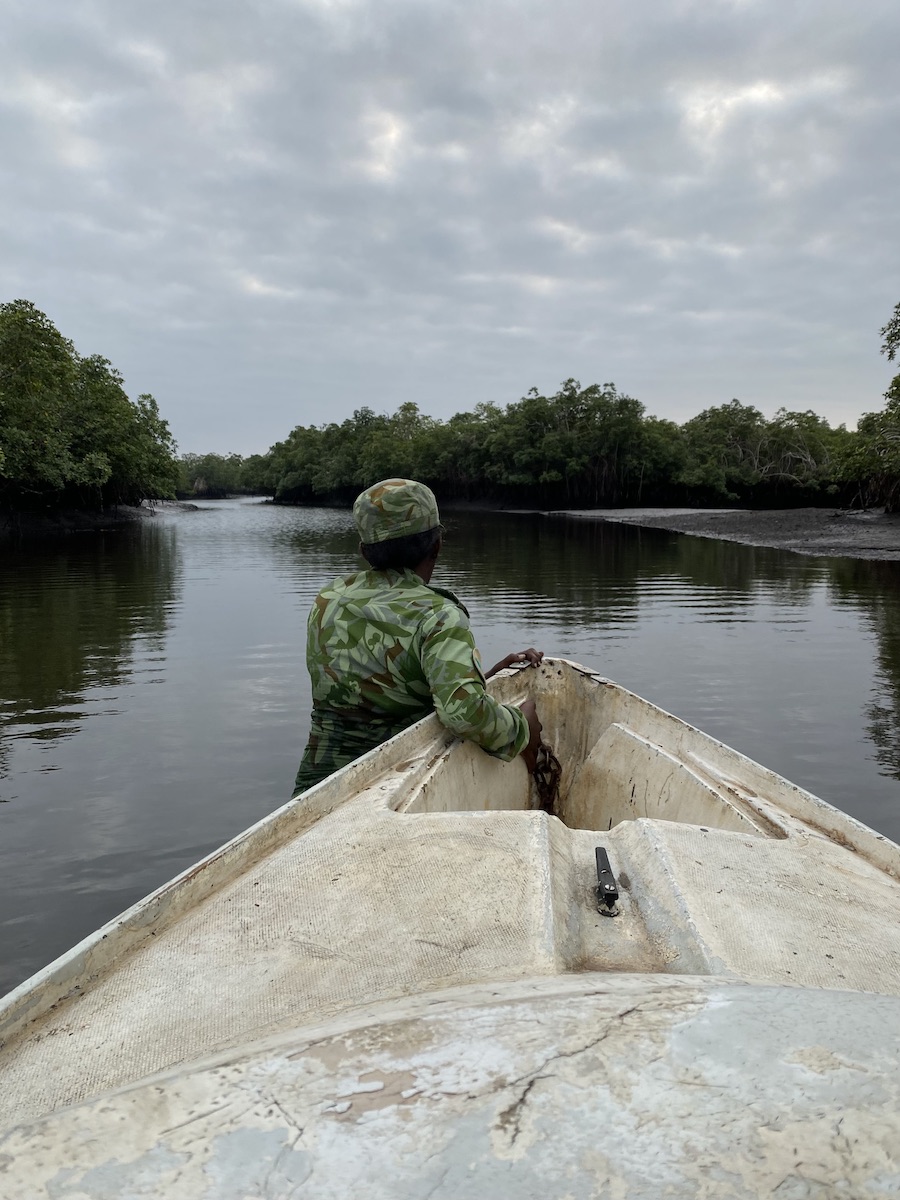
As a day trip from Libreville you can visit Akanda National Park, a mangrove swamp that is an important habitat for coastal and migratory birds. You can go birdwatching on a boat ride to Moka Island. Unfortunately, our trip was disastrous. It was subcontracted to very incapable people who got us the wrong boat at the wrong time, and we never made it to Moka. We did manage to get stuck with the low tide and had to abandon the boat and wade through the mangrove to make it back out. To avoid problems, make sure you go with a park guide in a park boat. In any case we learned that in Gabon it can never hurt to triple check everything and not be too easily reassured all is well!
If you have time for an overnight trip from Libreville, go to Pongara lodge in Pongara National Park for some relaxation on the beach and more nature and wildlife. As a day trip you can go to La Baie des Tortues, also in the park, but then there is no time for game drives or walks and it’s purely beach time, which to us didn’t seem worth the travel. From July to September you can also go on whale watching excursions from here.
Gabon is not the easiest safari destination, but if you want to find yourself practically alone in pristine wilderness, this is the place! Do you have Gabon on your travel bucket list? Pin this post for later!


I hope you enjoyed this post! You can share your thoughts below: